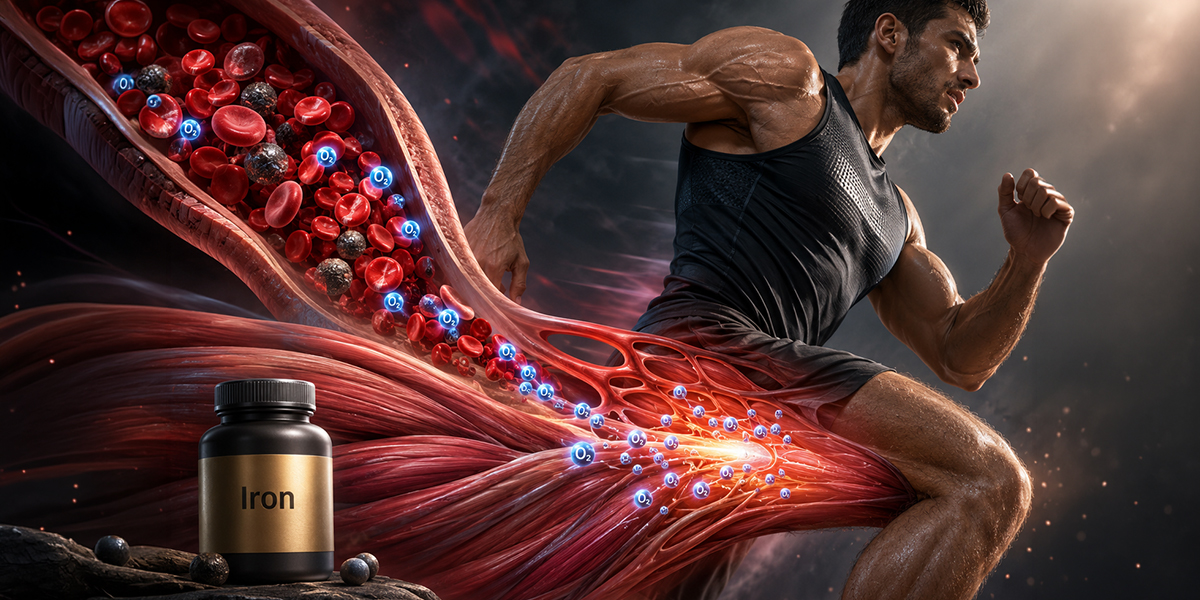


Iron is an essential mineral for physical performance, especially during intense exercise that requires high oxygen consumption and efficient energy production.
The body relies on iron to support oxygen transport from the lungs to working muscles, helping maintain endurance, strength, and recovery. When iron levels are low, athletes may experience early fatigue, reduced stamina, and weaker exercise performance.
Table of Contents
Why Iron Matters During Exercise
During intense exercise, muscles need more oxygen to produce energy and sustain repeated contractions.
Iron helps the body transport, store, and use oxygen efficiently. This makes it especially important for endurance athletes, runners, cyclists, swimmers, and people who perform high-intensity training.
When iron status is optimal, oxygen delivery to muscles is more efficient, which may support better stamina, training capacity, and recovery.
Iron and Hemoglobin Formation
Iron plays a central role in the formation of hemoglobin, the oxygen-carrying protein found inside red blood cells.
Hemoglobin binds oxygen in the lungs and transports it through the bloodstream to working muscles. During high-intensity exercise, the demand for oxygen rises sharply, making adequate hemoglobin function extremely important.
If iron levels are low, the body may struggle to produce enough healthy hemoglobin, which can reduce oxygen delivery and contribute to fatigue during exercise.
- Iron is required for hemoglobin production.
- Hemoglobin carries oxygen from the lungs to the muscles.
- Oxygen demand increases during intense training.
- Low iron may reduce oxygen delivery efficiency.
- Reduced oxygen transport may lead to early fatigue.
The Role of Myoglobin in Muscles
Iron is also an important component of myoglobin, a protein found inside muscle fibers.
Myoglobin helps store oxygen within the muscle and makes it available during repeated contractions, especially when exercise intensity increases.
This oxygen reserve supports muscle function during activities that require sustained effort or repeated bursts of power.
| Iron-Related Protein | Main Location | Role in Exercise |
|---|---|---|
| Hemoglobin | Red blood cells | Transports oxygen from the lungs to working muscles |
| Myoglobin | Muscle fibers | Stores oxygen inside muscles for quick availability |
| Iron-Dependent Enzymes | Mitochondria and cells | Support ATP production and energy metabolism |
Effect of Iron on Energy Production
Iron is essential for several enzymes involved in energy production inside the mitochondria, the energy-producing structures of the cells.
Muscles rely on ATP as their main energy source during exercise. When iron status is low, ATP production may become less efficient, making it harder to sustain intense activity.
This can lead to earlier fatigue, weaker endurance, reduced training quality, and slower recovery between sessions.
Iron Deficiency and Athletic Performance
Iron deficiency can affect performance even before anemia develops.
Low iron stores may reduce aerobic capacity, endurance, oxygen utilization, and overall training tolerance. Athletes may feel tired earlier than usual, struggle with stamina, or experience shortness of breath during workouts.
This is why monitoring iron status, especially ferritin levels, can be important for athletes who train frequently or have unexplained fatigue.
- Low iron may reduce endurance and aerobic capacity.
- Fatigue may appear even without diagnosed anemia.
- Shortness of breath during exercise may increase.
- Training quality and recovery may decline.
- Ferritin testing helps assess iron stores.
Iron Requirements in Athletes
Athletes may have higher iron needs due to increased training demands and greater iron losses.
Iron can be lost through sweat, gastrointestinal stress, and mechanical damage to red blood cells, especially in runners due to repeated foot impact. Female athletes may also have additional iron losses through menstruation.
A balanced diet that includes iron-rich foods, enough protein, and vitamin C-containing foods can help support iron status. In cases of confirmed deficiency, supplementation may be needed under professional guidance.
| Factor | How It Affects Iron | Helpful Strategy |
|---|---|---|
| Heavy Training | Increases oxygen and metabolic demands | Monitor ferritin and maintain iron-rich nutrition |
| Sweat Losses | Small iron losses may occur through sweat | Support intake through diet and testing when needed |
| Running Impact | May increase red blood cell breakdown | Regular monitoring is useful for endurance runners |
| Low Iron Diet | Reduces available iron intake | Include lean meat, fish, legumes, leafy greens, and vitamin C |
Frequently Asked Questions
Why is iron important for athletes?
Iron helps form hemoglobin and myoglobin, which support oxygen transport and oxygen availability inside muscles during exercise.
Can low iron affect performance without anemia?
Yes. Low iron stores may reduce endurance, energy production, and training tolerance even before anemia is diagnosed.
What is ferritin?
Ferritin is a marker of stored iron in the body. It is commonly checked to assess iron reserves, especially in athletes with fatigue or reduced performance.
Should athletes take iron supplements?
Iron supplements should be used only when needed, preferably after testing iron markers, because excessive iron intake can be harmful.
What foods support iron levels?
Iron-rich foods include lean red meat, poultry, fish, legumes, spinach, lentils, fortified cereals, and pairing plant iron sources with vitamin C-rich foods can improve absorption.
Conclusion
Iron plays a critical role in oxygen transport, oxygen storage, and energy production inside muscles, making it essential for athletic performance during intense exercise.
Maintaining adequate iron levels may help improve endurance, reduce fatigue, support muscle recovery, and enhance training quality. For athletes, regular monitoring of iron status and ferritin levels can be an important step in maintaining optimal performance and long-term health.