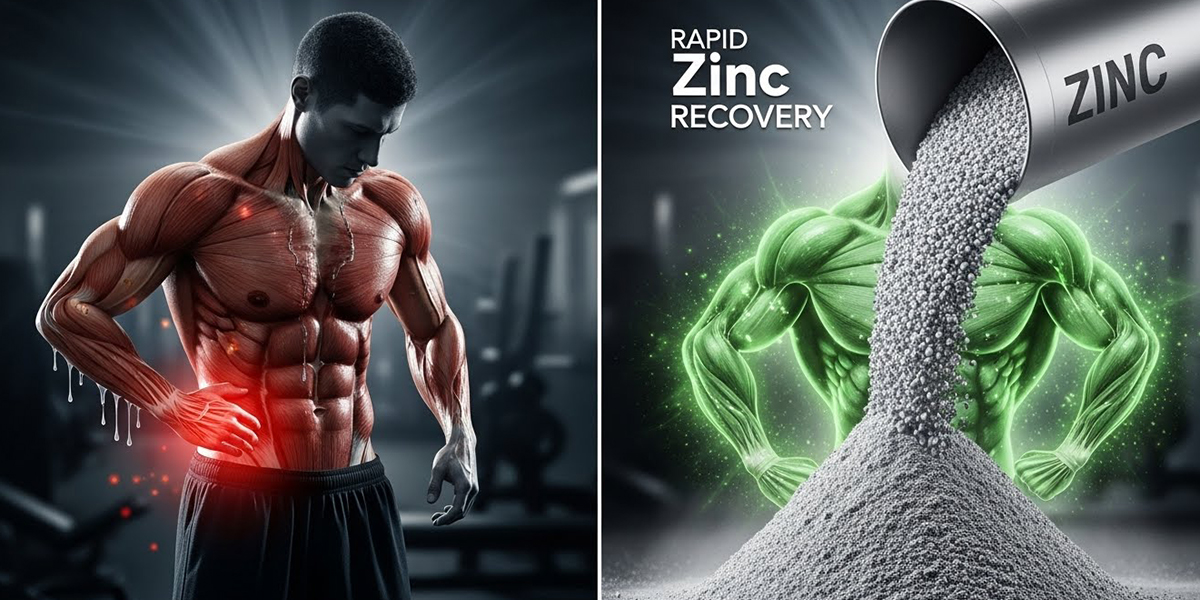


Muscle recovery is a critical part of any successful training program, especially for athletes aiming to improve performance and reduce the risk of injury. Intense training places significant stress on muscles, requiring proper nutritional support for repair and growth.
Among essential nutrients, zinc stands out as a key mineral often overlooked. Its role goes beyond immune support—it contributes to muscle repair, hormone regulation, and improved recovery after exercise.
What Is Zinc and Why Do Athletes Need It?
Zinc is an essential trace mineral involved in hundreds of enzymatic reactions, particularly those related to growth and cell regeneration. For athletes, zinc is even more important due to increased loss through sweat and higher demand from physical stress. It supports both the nervous and muscular systems, helping maintain optimal performance.
Zinc deficiency may lead to slower recovery, reduced muscle strength, and decreased endurance.
Zinc’s Role in Muscle Tissue Repair
After intense exercise, muscle fibers experience microscopic damage that needs repair to grow stronger.
Zinc supports this process by aiding in cell division and protein synthesis—two key mechanisms for muscle recovery. It also helps accelerate tissue repair and reduce delayed onset muscle soreness (DOMS), allowing athletes to return to training faster and more safely.
Zinc and Hormonal Balance for Recovery
Zinc plays a vital role in regulating hormones essential for muscle recovery, including testosterone and growth hormone.
These hormones are crucial for muscle building and strength restoration. Low zinc levels can disrupt hormonal balance, negatively affecting recovery and athletic performance.
Maintaining adequate zinc levels supports both hormonal health and physical performance.
Zinc, Inflammation, and Oxidative Stress
Zinc helps reduce inflammation caused by intense exercise and acts as an indirect antioxidant, protecting muscle cells from oxidative damage. Excess oxidative stress can delay recovery and increase injury risk. By supporting the immune system and reducing inflammation, zinc creates an optimal internal environment for efficient muscle recovery.
Signs of Zinc Deficiency in Athletes
Zinc deficiency may develop gradually and present with symptoms such as:
- Persistent fatigue
- Slow recovery after workouts
- Weak immune function
- Frequent muscle injuries
- Loss of appetite
- Sleep disturbances
Ignoring these signs can negatively impact long-term athletic performance.
Dietary Sources of Zinc for Athletes
Athletes can obtain zinc from a variety of foods, including:
- Red meat and poultry
- Fish and seafood
- Nuts and seeds
- Legumes
- Whole grains and dairy products
Including these foods in a balanced diet helps meet increased zinc requirements.
When Are Zinc Supplements Needed?
In some cases, diet alone may not be enough to meet an athlete’s zinc needs—especially during intense training or restrictive diets.
Zinc supplements can be a practical solution to support muscle recovery when taken in appropriate doses.