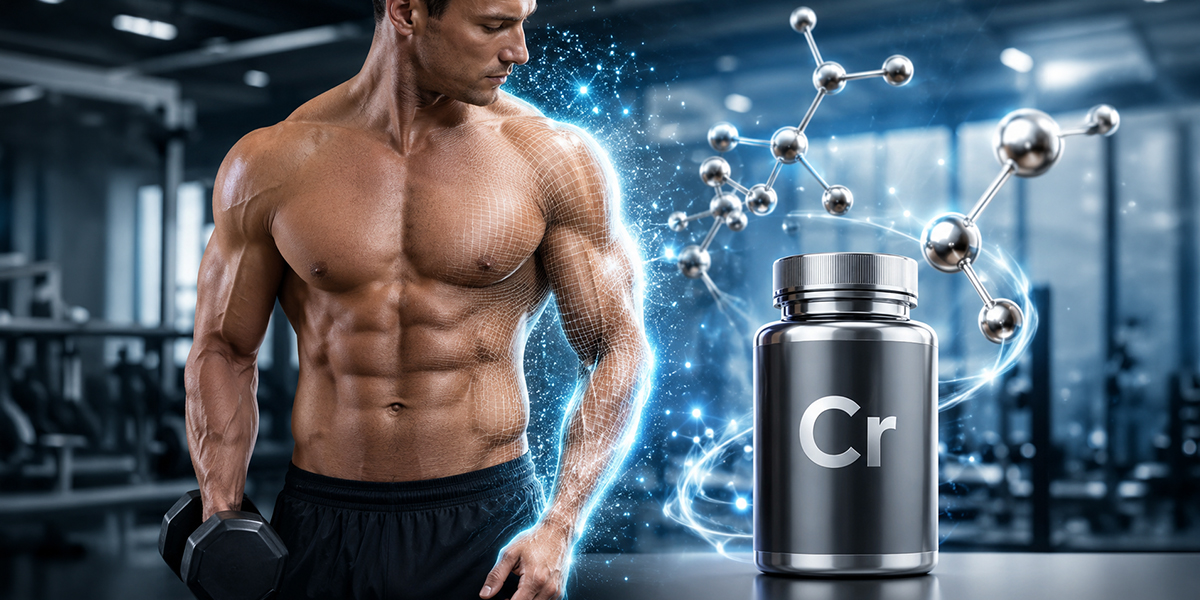


Chromium is a trace mineral involved in metabolism, insulin function, and blood sugar regulation. Although the body needs it only in small amounts, it may play a supportive role in how nutrients are used for energy.
In recent years, chromium has gained attention for its possible effect on body composition, especially lean body mass. However, while chromium may support metabolic health indirectly, it should not be viewed as a direct muscle-building solution without proper nutrition, resistance training, and a consistent lifestyle.
Table of Contents
What Is Lean Body Mass?
Lean body mass refers to all body components except fat. This includes muscles, bones, organs, connective tissues, and body fluids.
Muscle mass is one of the most important parts of lean body mass because it supports strength, movement, metabolism, posture, and physical performance.
Maintaining lean body mass is important for athletes, active individuals, people following weight-management programs, and anyone who wants to improve body composition in a healthy and sustainable way.
Chromium’s Role in Metabolism
Chromium is commonly discussed because of its relationship with insulin, the hormone that helps transport glucose from the bloodstream into cells.
By supporting normal insulin action, chromium may help the body use carbohydrates more efficiently for energy. This can be relevant for people trying to maintain stable energy levels, support workout performance, or improve overall metabolic function.
When the body handles glucose more efficiently, nutrients may be used in a way that better supports activity, recovery, and muscle maintenance, especially when combined with balanced nutrition and exercise.
- Supports normal insulin function.
- Helps the body use glucose for energy.
- May support stable blood sugar levels.
- May indirectly support nutrient utilization.
- Works best alongside diet and physical activity.
Chromium and Muscle Preservation
Chromium may indirectly support lean body mass by helping the body manage glucose and energy more effectively.
Better insulin sensitivity may help nutrients move into cells more efficiently, which can support training energy and recovery. This may be useful for people who exercise regularly or follow a calorie-controlled diet.
However, chromium does not replace protein intake, resistance training, or adequate calories. Its role is supportive, not primary.
| Chromium Function | Possible Effect | Relevance to Lean Body Mass |
|---|---|---|
| Insulin Support | May improve glucose handling | Supports nutrient delivery to cells |
| Energy Metabolism | Helps the body use carbohydrates for fuel | May support training energy |
| Blood Sugar Balance | May reduce energy fluctuations in some people | May support consistency in workouts |
| Nutrient Utilization | May help cells respond better to nutrients | Supports muscle maintenance indirectly |
Does Chromium Help Build Muscle?
Chromium is sometimes marketed as a supplement for improving body composition or increasing lean muscle mass.
However, scientific evidence is mixed. Some studies suggest possible small benefits for body composition, while others show little or no significant effect on muscle gain.
For this reason, chromium should not be considered a main muscle-building supplement. The most important factors for muscle growth remain progressive resistance training, adequate protein intake, sufficient calories, sleep, and recovery.
Best Natural Sources of Chromium
Chromium can be found naturally in several foods, and a balanced diet is usually the best way to support adequate chromium intake.
Food sources may include whole grains, broccoli, meat, eggs, nuts, legumes, and some fruits and vegetables.
Because chromium content in foods can vary depending on soil, processing, and preparation methods, focusing on a diverse whole-food diet is a practical approach.
| Food Group | Examples | Nutritional Benefit |
|---|---|---|
| Whole Grains | Oats, whole wheat, brown rice | Support energy and fiber intake |
| Vegetables | Broccoli, green beans, potatoes | Provide minerals, fiber, and antioxidants |
| Protein Foods | Meat, eggs, poultry | Support muscle maintenance and repair |
| Plant-Based Foods | Nuts, legumes, seeds | Support minerals, healthy fats, and satiety |
How to Support Lean Body Mass Effectively
To improve lean body mass, chromium should be viewed as only one small part of a larger strategy.
The true foundation is regular resistance training combined with enough protein, proper calorie intake, quality carbohydrates, healthy fats, hydration, and adequate sleep.
Chromium supplementation may be considered when dietary intake is low or when there is a specific metabolic goal, but it should be used responsibly and not as a substitute for lifestyle fundamentals.
- Follow a structured resistance-training program.
- Eat enough protein throughout the day.
- Use carbohydrates strategically to support training energy.
- Maintain a balanced calorie intake based on your goal.
- Sleep well and allow proper recovery.
- Choose whole foods rich in minerals and fiber.
- Use supplements only when they match a real need.
Frequently Asked Questions
Can chromium increase lean body mass?
Chromium may indirectly support lean body mass by helping with insulin function and nutrient metabolism, but evidence for direct muscle gain is limited and inconsistent.
Is chromium a muscle-building supplement?
No. Chromium is not a primary muscle-building supplement. Muscle growth depends mainly on resistance training, protein intake, calories, and recovery.
How does chromium affect metabolism?
Chromium supports normal insulin action, which helps cells use glucose for energy and may support better metabolic function.
What foods contain chromium?
Chromium can be found in foods such as whole grains, broccoli, meat, eggs, nuts, legumes, seeds, and some vegetables.
Should athletes take chromium supplements?
Some athletes may consider chromium if it fits their nutritional needs, but it should not replace proper training, diet, hydration, sleep, and recovery.
Conclusion
Chromium may contribute indirectly to supporting lean body mass by helping with insulin sensitivity, glucose metabolism, and nutrient utilization.
However, it is not a magic solution for muscle growth or body transformation. Healthy nutrition, resistance training, regular physical activity, adequate sleep, and consistent recovery remain the true foundation for maintaining muscle mass and improving body composition.