

In a world full of health challenges, a balanced diet and proper supplementation are essential foundations for maintaining good health. Many men experience deficiencies in key nutrients such as vitamins and minerals due to lifestyle changes and dietary habits. These deficiencies can negatively affect energy levels and overall well-being.
For example, men who follow restrictive diets or consume limited amounts of fruits and vegetables may lack essential vitamins, increasing the risk of various health concerns. In this article, we explore the importance of vitamins for men and provide practical guidance on choosing the right supplements to ensure optimal nutritional support.
Article Contents
-
Best Vitamins for Men
-
Vitamin D
-
Vitamin B12
-
Zinc
-
Multivitamins
-
Amino Acids and Omega-3 Fatty Acids
-
-
The Impact of Vitamins on Men’s Health
-
Integrating Vitamins with a Healthy Lifestyle
-
Frequently Asked Questions
-
What Is the Most Powerful Vitamin for Men?
Best Vitamins for Men
1. Vitamin D
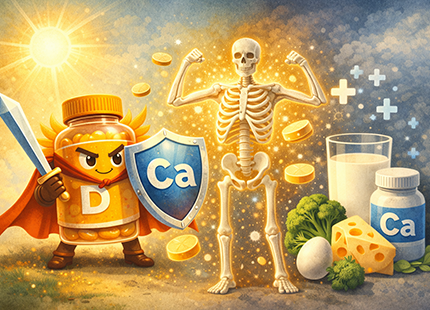
Vitamin D is one of the most essential nutrients for men’s health. It plays a central role in bone strength and immune support by helping the body absorb calcium effectively. It also contributes to immune system function and disease prevention.
The body produces vitamin D through direct sunlight exposure. However, men who live in areas with limited sunlight or spend most of their time indoors may require supplementation.
Research suggests that vitamin D deficiency may be linked to an increased risk of chronic conditions such as diabetes and heart disease. Therefore, monitoring vitamin D levels and ensuring adequate intake through diet or supplements is important.
2. Vitamin B12
Vitamin B12 is vital for red blood cell production and nervous system health. It also supports brain function, improving memory and concentration.
A deficiency in vitamin B12 can lead to anemia, persistent fatigue, and neurological symptoms such as numbness and tingling.
Rich dietary sources include meat, fish, eggs, and dairy products. Vegetarian or low-animal-fat diets may increase the risk of deficiency, making supplementation necessary in some cases.
3. Zinc
Zinc is an essential mineral that supports testosterone production and prostate health. It strengthens the immune system and helps prevent inflammation.
Studies show that zinc deficiency may lead to reduced testosterone levels, which can negatively affect libido and fertility.
Zinc-rich foods include red meat, nuts, seeds, and legumes. When dietary intake is insufficient, supplementation may be considered under medical guidance.
4. Multivitamins
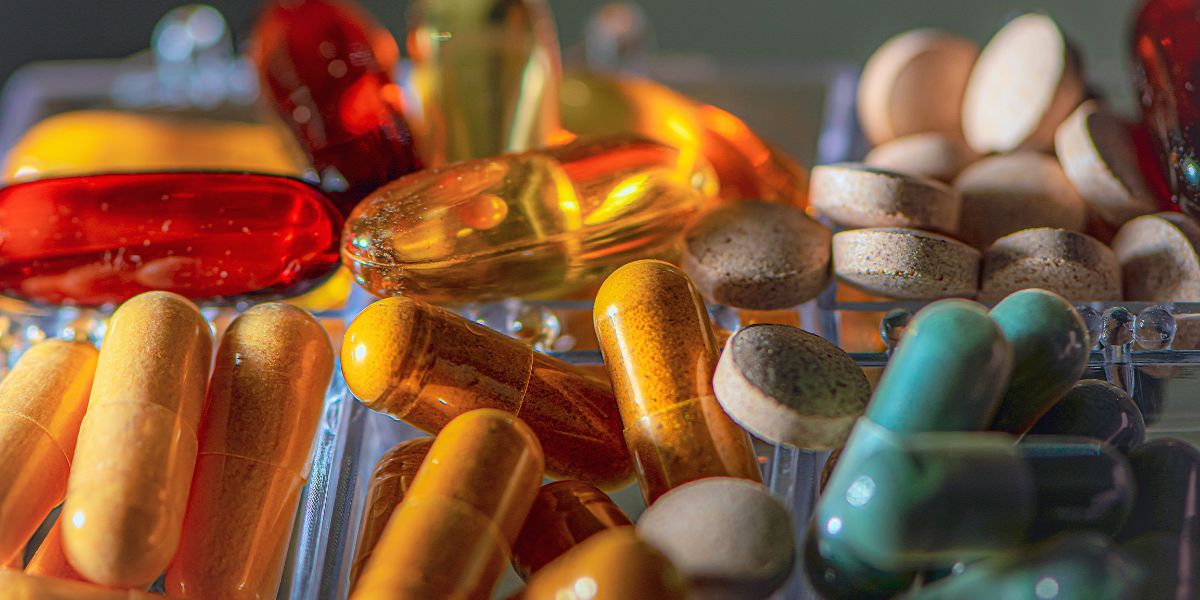
Multivitamin supplements offer a convenient way to obtain essential nutrients in a single formula. They contain a balanced mix of vitamins and minerals that help maintain overall nutritional adequacy.
When choosing a multivitamin, it is important to select one formulated specifically for men, including nutrients such as selenium, magnesium, and other essential vitamins.
Multivitamins are particularly useful for men with busy lifestyles or those who struggle to maintain a balanced diet.
5. Amino Acids and Omega-3 Fatty Acids
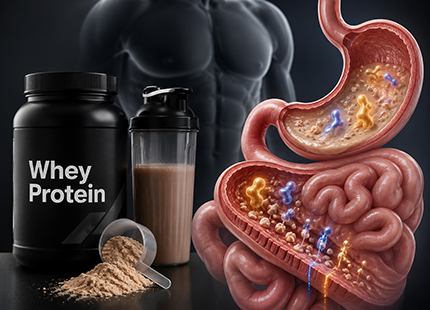
Amino acids are the building blocks of protein and play a key role in muscle health and recovery.
Omega-3 fatty acids are essential for heart and brain health. They help reduce inflammation and may improve mental well-being by alleviating symptoms of depression and anxiety.
Omega-3 sources include fatty fish such as salmon and tuna, walnuts, and chia seeds. Fish oil or algae oil supplements are also effective alternatives, especially for those who do not consume fish.
The Impact of Vitamins on Men’s Health
Vitamins and minerals significantly influence overall wellness and vitality in men.
Vitamin D and vitamin B12 can improve energy levels and immune function, helping reduce the risk of illness and infection. Zinc supports prostate health and testosterone levels, contributing to reproductive health and libido.
Additionally, certain vitamins may positively affect mental health. Vitamin D and B12, for example, may help reduce stress and depressive symptoms, particularly in men experiencing high work-related or lifestyle stress.
Integrating Vitamins with a Healthy Lifestyle
For maximum benefit, vitamins and supplements should be combined with a balanced and healthy lifestyle. This includes:
-
Consuming nutrient-dense foods such as fruits, vegetables, lean proteins, and whole grains
-
Exercising regularly to support circulation and nutrient absorption
-
Getting sufficient sleep to promote recovery and immune function
-
Managing stress through relaxation techniques such as meditation or yoga
Physical activity enhances cardiovascular health and improves how efficiently the body utilizes vitamins and minerals. Adequate sleep supports immune strength and overall recovery, increasing the effectiveness of supplementation.
Reducing stress is also important, as chronic stress may interfere with nutrient absorption and utilization.
Conclusion
Vitamins and minerals form a crucial foundation for men’s health. Understanding individual nutritional needs and ensuring proper intake through diet or supplementation can significantly improve overall health and energy levels.
Before starting any supplement, it is wise to consult a healthcare professional, particularly if you have underlying medical conditions or take medications.
By following this comprehensive guide, men can take proactive steps toward better health, increased vitality, and improved long-term quality of life.
Frequently Asked Questions
What is the most powerful vitamin for men?
Vitamin D is often considered one of the most important vitamins for men due to its role in bone health, immunity, and overall vitality.
Vitamin B12 and zinc are also essential nutrients that support energy levels, reproductive health, and overall well-being.