

Inositol has become increasingly popular in women's health, particularly among women interested in supporting hormonal health, menstrual regularity, reproductive wellness, and healthy blood sugar metabolism. Although inositol is naturally produced by the body and found in certain foods, supplemental forms are often used to provide more consistent amounts.
Interest in inositol has grown particularly because of research involving women with polycystic ovary syndrome (PCOS). Studies have explored its potential role in insulin signaling, ovarian function, menstrual patterns, and reproductive health. However, inositol is not a cure for PCOS or other hormonal conditions, and its effects can vary depending on the individual, formulation, and health concern.
Table of Contents
- What Is Inositol?
- How Does Inositol Work in the Body?
- 1. Inositol and Hormonal Balance
- 2. Inositol and PCOS Support
- 3. Inositol and Menstrual Cycle Regularity
- 4. Inositol and Fertility Support
- 5. Inositol and Healthy Blood Sugar Metabolism
- 6. Inositol and Mood & Emotional Wellness
- Myo-Inositol vs. D-Chiro-Inositol: What’s the Difference?
- How to Take Inositol
- Is Inositol Safe for Women?
- Recommended Women’s Health Supplements
- FAQ
- Conclusion
What Is Inositol?
Inositol is a naturally occurring compound found in the human body and in a variety of foods. It is sometimes described as a type of sugar alcohol, although it is structurally different from the sugars commonly used as sweeteners. Inositol is involved in important cellular processes, including cell signaling, membrane function, and pathways related to insulin activity.
The body can produce inositol naturally, while dietary sources include foods such as fruits, beans, grains, nuts, and seeds. However, supplemental inositol is available in concentrated forms, most commonly as myo-inositol and D-chiro-inositol.
These forms are particularly relevant to women's health because they participate in different aspects of cellular signaling and insulin-related pathways. Research has therefore examined inositol supplementation in areas such as PCOS, menstrual irregularity, metabolic health, and reproductive function.
How Does Inositol Work in the Body?
One of the main reasons inositol has attracted attention is its role in cellular communication and insulin signaling. Insulin is a hormone that helps regulate how the body uses glucose for energy. Proper insulin signaling is important for maintaining healthy blood sugar metabolism and supporting a range of normal physiological processes.
Inositol-containing compounds are involved in intracellular signaling pathways that help cells respond to hormones such as insulin. This relationship has made inositol an area of interest in women's metabolic and reproductive health, particularly because insulin-related factors can be associated with hormonal and ovarian function in some women with PCOS.
However, inositol should not be viewed as a universal solution for hormonal problems. Women's health is influenced by many factors, including nutrition, physical activity, body composition, stress, sleep, medications, and underlying medical conditions. Supplementation is therefore best considered as part of an individualized approach to overall health.
1. Inositol and Hormonal Balance
Hormonal health depends on complex interactions between the ovaries, brain, metabolic system, and other parts of the body. Inositol has been studied in this context because of its involvement in insulin signaling and ovarian-related processes.
In women with certain metabolic or reproductive concerns, particularly PCOS, supporting healthy insulin sensitivity may be relevant to broader hormonal and reproductive function. Some research suggests that inositol supplementation may help support aspects of hormonal balance in specific groups of women, although outcomes are not identical for everyone.
It is important to distinguish between supporting normal physiological processes and treating a diagnosed hormonal disorder. Women experiencing persistent acne, excessive hair growth, unexplained weight changes, irregular periods, or other signs of hormonal imbalance should seek appropriate medical evaluation rather than relying on supplements alone.
2. Inositol and PCOS Support
Inositol is particularly well known in women's health for its potential role in supporting women with polycystic ovary syndrome (PCOS). PCOS is a common hormonal and metabolic condition that may be associated with irregular menstrual cycles, elevated androgen levels, difficulties with ovulation, acne, and changes in insulin sensitivity.
Research has investigated inositol supplementation for several aspects of PCOS management, especially its potential effects on insulin signaling, ovarian function, menstrual regularity, and ovulation. Myo-inositol and D-chiro-inositol are the two forms most commonly discussed in this area, and some formulations combine both.
Because insulin-related factors can influence ovarian function in some women with PCOS, supporting healthy insulin signaling may have broader reproductive implications. However, inositol should not be considered a cure for PCOS, and it cannot address every feature of the condition. Individual responses can also differ depending on factors such as age, symptoms, metabolic health, diet, and other treatments.
Women diagnosed with PCOS should consider inositol as a potential complementary nutritional option rather than a replacement for medical care. A healthcare professional can help determine whether supplementation is appropriate and how it fits alongside nutrition, physical activity, medications, and other recommended treatments.
3. Inositol and Menstrual Cycle Regularity
An irregular menstrual cycle can have many causes, including hormonal conditions, changes in body weight, stress, thyroid disorders, nutritional deficiencies, and pregnancy. Inositol has attracted attention because of research examining its potential relationship with ovarian function and menstrual cycle regularity, particularly in women with PCOS.
Some studies suggest that inositol supplementation may support more regular menstrual patterns in certain women with PCOS. This may be related, at least in part, to its involvement in insulin signaling and ovarian processes. However, the response is not guaranteed, and inositol should not be used to self-treat unexplained menstrual irregularities.
Women with consistently irregular, very heavy, unusually painful, or absent periods should discuss these symptoms with a healthcare professional. Identifying the underlying cause is important because menstrual changes can sometimes signal a condition that requires specific treatment.
4. Inositol and Fertility Support
Inositol is also widely discussed in relation to women's fertility and reproductive health, particularly when PCOS is associated with irregular ovulation. Since ovulatory dysfunction can make conception more difficult, researchers have explored whether inositol may support metabolic and ovarian factors involved in reproductive function.
Research has investigated myo-inositol and D-chiro-inositol in women with PCOS, including their potential effects on ovulatory function and reproductive outcomes. Some findings are encouraging, but evidence is not uniform enough to suggest that inositol guarantees improved fertility or pregnancy.
For women trying to conceive, inositol may be considered as part of a broader nutritional and medical approach when appropriate. Fertility is influenced by many factors, including ovulation, ovarian reserve, age, sperm health, reproductive anatomy, and underlying medical conditions. Anyone experiencing difficulty conceiving should seek individualized advice rather than relying on a supplement alone.
5. Inositol and Healthy Blood Sugar Metabolism
Inositol plays a role in insulin signaling and glucose metabolism, which is one reason it has become relevant to women's metabolic health. Healthy insulin function helps cells respond appropriately to insulin and supports the body's normal regulation of blood glucose.
Research involving inositol has explored its potential effects on insulin sensitivity and other metabolic markers, particularly among women with PCOS. Supporting healthy insulin signaling may also be relevant to reproductive health because metabolic and hormonal processes can interact.
However, inositol should not be considered a replacement for diabetes medication, a balanced diet, physical activity, or professional medical care. Women with diabetes, prediabetes, or other blood-sugar concerns should speak with a healthcare professional before adding concentrated inositol supplements to their routine, particularly if they use glucose-lowering medication.
6. Inositol and Mood & Emotional Wellness
Inositol is involved in cellular signaling pathways within the nervous system, which has led researchers to investigate its potential relationship with mood and emotional wellness. However, research in this area is different from the evidence surrounding its metabolic and reproductive applications.
Some studies have explored relatively high doses of inositol for specific mental health conditions, but these findings should not be generalized to everyday nutritional supplementation or interpreted as evidence that inositol treats depression, anxiety, or other mental health disorders.
For overall emotional wellness, adequate sleep, regular physical activity, balanced nutrition, stress management, and appropriate professional support remain important foundations. If persistent changes in mood, anxiety, or emotional well-being are affecting daily life, speaking with a qualified healthcare professional is more appropriate than relying on inositol alone.
Myo-Inositol vs. D-Chiro-Inositol: What’s the Difference?
Myo-inositol and D-chiro-inositol are two naturally occurring forms of inositol that are involved in different cellular signaling processes. Both have attracted significant interest in women's health, particularly in research involving PCOS, insulin signaling, ovarian function, and reproductive health.
Myo-inositol is the most abundant form of inositol in the body and is involved in several cellular processes, including pathways related to insulin signaling. D-chiro-inositol also participates in insulin-related signaling and has been studied for its potential role in metabolic and reproductive health.
Some women's health supplements contain myo-inositol alone, while others combine myo-inositol and D-chiro-inositol. Combination formulas are particularly common in products designed around PCOS and reproductive wellness. However, there is no single formulation that is automatically appropriate for every woman.
When choosing an inositol supplement, it is important to consider the form of inositol, amount per serving, additional ingredients, and intended use. Women with PCOS or other reproductive or metabolic concerns should discuss supplementation with a healthcare professional who can consider their individual circumstances.
How to Take Inositol
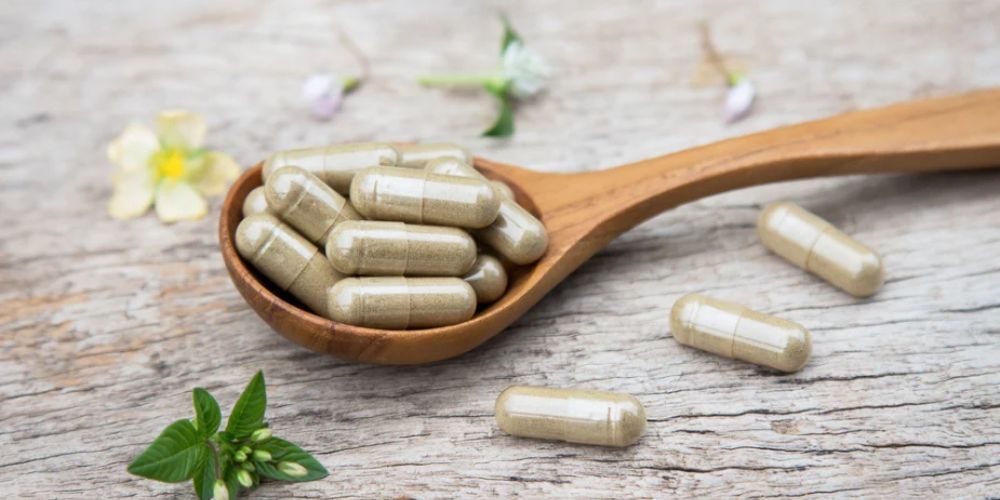
Inositol supplements are available in several forms, including powders, capsules, and combination formulas. Powdered inositol can usually be mixed with water or another suitable beverage, while capsules offer a convenient option for women who prefer a pre-measured serving.
The appropriate amount of inositol depends on the specific product and the reason it is being used. Clinical research has used different doses and formulations depending on the health outcome being studied, so there is no universal dose that is appropriate for every woman.
When using an inositol supplement, follow the manufacturer’s recommended serving instructions. Taking more than the recommended amount does not necessarily provide greater benefits and may increase the likelihood of unwanted digestive effects.
Consistency may be important when inositol is used as part of a longer-term nutritional approach. However, women should avoid changing doses or combining several inositol products without professional guidance, particularly when using other supplements or medications.
Is Inositol Safe for Women?
Inositol is generally well tolerated by many people when used appropriately. Some individuals may experience mild digestive effects, including nausea, abdominal discomfort, gas, or diarrhea, particularly when starting a supplement or using larger amounts.
Although inositol is naturally produced by the body, supplements can provide concentrated quantities that may have physiological effects. Women who take medications, have diabetes or other metabolic conditions, or have an ongoing medical condition should discuss supplementation with a healthcare professional before starting it.
Women who are pregnant, planning pregnancy, or breastfeeding should also seek appropriate professional advice before using an inositol supplement. Inositol has been studied in pregnancy-related contexts, but the suitability of supplementation depends on the individual, formulation, dose, and clinical circumstances.
It is also important to remember that supplements should not replace medical evaluation. Persistent menstrual irregularities, difficulty conceiving, unexplained hormonal symptoms, or significant changes in blood sugar should be assessed by an appropriate healthcare professional.
Recommended Women’s Health Supplements
Explore women’s health supplements designed to complement nutritional needs throughout different stages of life. Inositol supplements may be considered by women looking for nutritional support related to metabolic, hormonal, or reproductive wellness, while a broader women's health range can provide additional age-appropriate nutritional options.
- Inositol Supplements
Ideal for: Women interested in adding inositol to their nutritional routine, particularly when seeking support for metabolic and reproductive wellness. - Women’s Health Supplements
Ideal for: Women looking for nutritional supplements that complement a balanced diet and support overall wellness throughout different life stages.
Tip: Before choosing an inositol product, check the form of inositol, serving size, additional ingredients, and usage instructions. If you have PCOS, diabetes, fertility concerns, take regular medication, or are pregnant or breastfeeding, consult a healthcare professional before starting supplementation.
FAQ
1. What is inositol used for in women?
Inositol is commonly used as a nutritional supplement for women interested in supporting metabolic, hormonal, menstrual, and reproductive health. It has been particularly studied in women with PCOS.
2. What is the difference between myo-inositol and D-chiro-inositol?
Myo-inositol and D-chiro-inositol are two forms of inositol involved in cellular signaling and insulin-related pathways. Both have been studied in women's metabolic and reproductive health, and some supplements combine the two.
3. Can inositol help women with PCOS?
Research suggests that certain inositol formulations may support aspects of metabolic and reproductive health in some women with PCOS, including insulin-related measures and menstrual or ovulatory function. However, results vary, and inositol is not a cure for PCOS.
4. Is inositol safe to take every day?
Many people tolerate inositol well when taken according to product instructions, although mild digestive effects can occur. The appropriate daily amount depends on the formulation and individual needs, so follow the recommended serving and seek professional advice when appropriate.
Conclusion
Inositol has become an increasingly popular nutritional supplement in women's health because of its involvement in cellular signaling, insulin-related pathways, metabolic function, and reproductive processes. Research has shown particular interest in its potential role for women with PCOS, including areas such as menstrual regularity, ovarian function, and metabolic health.
Myo-inositol and D-chiro-inositol are the two forms most commonly found in women's health supplements, and some products combine them in a single formulation. Choosing the right product should depend on its ingredients, serving size, intended purpose, and the individual woman's nutritional and health needs.