


Brain Health: Causes, Risk Factors, and Natural Ways to Support Cognitive Function
Introduction
The human brain is the most complex organ in the body. It serves as the control center for virtually every function we perform, from breathing and movement to memory, concentration, emotions, and decision-making. Despite its remarkable capabilities, brain health is often overlooked until noticeable problems such as forgetfulness, mental fatigue, difficulty concentrating, or age-related cognitive decline begin to appear.
Modern lifestyles present numerous challenges to cognitive wellness. Chronic stress, poor sleep habits, sedentary behavior, unhealthy diets, and increasing digital overload can all place significant pressure on the brain over time. While occasional mental fatigue is normal, years of exposure to these factors may gradually affect cognitive performance and overall brain function.
The encouraging news is that brain health is not solely determined by genetics or age. Research continues to show that lifestyle choices play a major role in supporting cognitive function throughout life.
Table of Contents
What Is Brain Health?
Brain health refers to the ability of the brain to perform its essential functions effectively throughout life. A healthy brain allows individuals to think clearly, learn new information, remember experiences, regulate emotions, solve problems, and maintain focus.
Optimal brain health encompasses several important cognitive domains, including:
- Memory and recall
- Attention and concentration
- Learning ability
- Processing speed
- Decision-making
- Emotional regulation
- Communication and language skills
Brain health is not simply the absence of neurological disease. Rather, it reflects how efficiently the brain performs daily tasks and adapts to new challenges, environments, and experiences.
Why It Is Important to Take Care of Your Brain
The brain is the control center of the body, responsible for every thought, movement, emotion, and decision. From daily tasks to long-term goals, cognitive function directly impacts how effectively we live, work, and interact with others.
Maintaining brain health supports essential areas of life, including productivity, memory, learning ability, emotional balance, social engagement, and long-term independence as we age.
Brain health is also closely linked to overall physical health, especially cardiovascular function. A healthy heart and strong blood circulation play a key role in maintaining optimal brain performance over time.
In addition, cognitive abilities such as focus, problem-solving, and mental clarity are essential for academic and professional success, while emotional regulation and stress management depend heavily on healthy brain function.
In simple terms, supporting brain health means supporting every major aspect of daily life and long-term well-being.
When Should You Start Caring for Brain Health?
One of the most common misconceptions is that brain health only becomes important during old age. In reality, cognitive wellness should be a lifelong priority.
Childhood and Adolescence
Brain development begins before birth and continues throughout childhood and adolescence. During these years, adequate nutrition, physical activity, sleep, and learning experiences help shape neural connections that influence lifelong cognitive function.
Young Adulthood
Many adults experience their peak cognitive performance during early adulthood. However, this is also when unhealthy habits such as sleep deprivation, chronic stress, excessive alcohol consumption, and poor nutrition may begin affecting brain health.
Midlife
Research increasingly suggests that many factors associated with later-life cognitive decline may begin developing decades before symptoms become noticeable. Midlife therefore represents a critical period for preventive action.
Older Adulthood
While certain changes occur naturally with age, maintaining healthy lifestyle habits remains beneficial at every stage of life. The brain retains an impressive capacity for adaptation and learning throughout adulthood.
The best time to start supporting brain health is not when problems appear—it's long before they do.
Factors That Affect Brain Health
Several lifestyle, environmental, and health-related factors can influence how well the brain functions over time. Understanding these factors can help individuals take proactive steps to support long-term cognitive health.
Chronic Stress
Occasional stress is a normal part of life, but ongoing stress may negatively affect memory, concentration, and mental performance. Elevated stress hormones over long periods can contribute to mental fatigue, difficulty focusing, and poor sleep quality.
Poor Sleep
Sleep is essential for brain recovery, memory formation, and learning. Consistently getting insufficient or poor-quality sleep may impair concentration, reaction time, decision-making, and overall cognitive function.
Physical Inactivity
Regular physical activity supports healthy blood flow to the brain and helps deliver oxygen and nutrients needed for optimal function. A sedentary lifestyle may contribute to reduced mental sharpness and lower cognitive performance over time.
Unhealthy Diet
The brain relies on a steady supply of nutrients to function effectively. Diets high in processed foods, refined sugars, and unhealthy fats may negatively impact cognitive health, while nutrient-rich foods help support memory, focus, and overall brain function.
Cardiovascular Health Issues
The brain depends on a healthy circulatory system to receive oxygen and nutrients. Conditions such as high blood pressure, elevated cholesterol, obesity, diabetes, and smoking can affect blood flow and may influence long-term brain health.
Social Isolation
Regular social interaction provides mental stimulation and emotional support. Research suggests that maintaining meaningful social connections may contribute to better cognitive function and overall well-being.
Aging
Aging naturally brings changes to the brain, but lifestyle choices play an important role in how individuals age cognitively. Healthy habits, mental stimulation, and physical activity can help support brain function throughout life.
Natural Ways to Support Brain Health
While genetics and aging play a role in cognitive function, daily lifestyle choices have a significant impact on long-term brain health. Adopting healthy habits early can help support memory, focus, mental clarity, and overall cognitive performance.
Prioritize Quality Sleep
Sleep is essential for memory consolidation, learning, and brain recovery. Aim for 7–9 hours of quality sleep each night by maintaining a consistent sleep schedule, limiting caffeine late in the day, and creating a comfortable sleep environment.
Eat a Brain-Healthy Diet
A nutrient-rich diet provides the building blocks needed for optimal brain function. Foods commonly associated with cognitive health include fatty fish rich in omega-3 fatty acids, antioxidant-rich berries, leafy green vegetables, nuts, seeds, and olive oil. These foods help support healthy brain cells and protect against oxidative stress.
Stay Physically Active
Regular exercise promotes healthy blood flow to the brain, supports mood balance, and helps maintain cognitive function. Health experts generally recommend at least 150 minutes of moderate physical activity each week.
Keep Your Mind Engaged
Mental stimulation helps strengthen neural connections and supports cognitive resilience. Activities such as reading, learning new skills, solving puzzles, playing strategic games, or learning a new language can help keep the brain active and engaged.
Manage Stress
Long-term stress can negatively affect memory, focus, and overall cognitive performance. Stress-management techniques such as meditation, mindfulness, deep breathing exercises, yoga, and spending time outdoors may help support emotional and cognitive well-being.
Stay Socially Connected
Meaningful social interactions provide mental stimulation and emotional support. Maintaining strong relationships and staying engaged with family, friends, and community activities may contribute to better cognitive health over time.
Top Brain Health Supplements
While a healthy lifestyle remains the foundation of cognitive wellness, certain nutrients and botanical ingredients may provide additional support for memory, focus, and overall brain function.
Omega-3 Fish Oil
Omega-3 fatty acids, particularly DHA and EPA, are among the most researched nutrients for brain health. DHA is a major structural component of brain cells and plays an important role in supporting memory, learning, and cognitive function.
Phosphatidylserine
Phosphatidylserine is a naturally occurring compound found in brain cell membranes. It has been studied for its potential role in supporting memory, cognitive performance, and healthy brain aging.
Ginkgo Biloba
Ginkgo Biloba is one of the most widely recognized botanical ingredients for cognitive support. It is often used to help support memory, concentration, and healthy circulation.
Lion's Mane Mushroom
Lion's Mane has gained increasing attention for its potential neuroprotective properties and its role in supporting cognitive function, focus, and overall brain wellness.
Magnesium
Magnesium supports normal nervous system function and may help promote relaxation, stress management, and healthy sleep patterns—factors that are closely linked to cognitive performance.
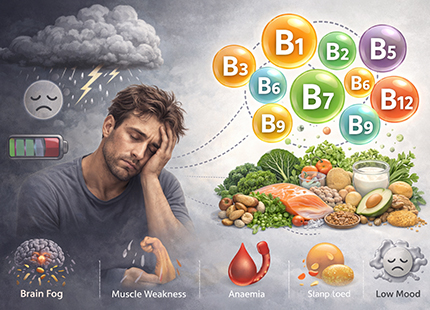
B-Complex Vitamins
B vitamins play an essential role in energy production, nervous system health, and cognitive function. Adequate intake is important for maintaining overall brain health and mental performance.
Recommended Brain Health Supplements
Individuals looking for brain-supportive supplements can explore a variety of formulas containing ingredients such as Omega-3s, Bacopa Monnieri, Ginkgo Biloba, Magnesium, and B vitamins.
Explore Brain Health Supplements
FAQ
Can brain health improve with lifestyle changes?
Yes, the brain remains adaptable and can improve with healthy habits at any age.
How does sleep affect memory?
Sleep helps store and organize new information in the brain.
Does exercise improve brain health?
Yes, it improves blood flow, mood, and cognitive performance.
Can stress affect memory?
Chronic stress may negatively impact focus, memory, and mental clarity.
Conclusion
Brain health is essential for memory, focus, emotional balance, and overall quality of life. Because the brain controls every function in the body, maintaining its health should be a lifelong priority.
Healthy habits such as good sleep, nutrition, exercise, stress management, and social engagement play a key role in maintaining cognitive performance and long-term brain wellness.