

Introduction
Some teenagers turn to sports supplements to improve performance or accelerate muscle growth. However, safety remains one of the most critical considerations during this sensitive stage of development.
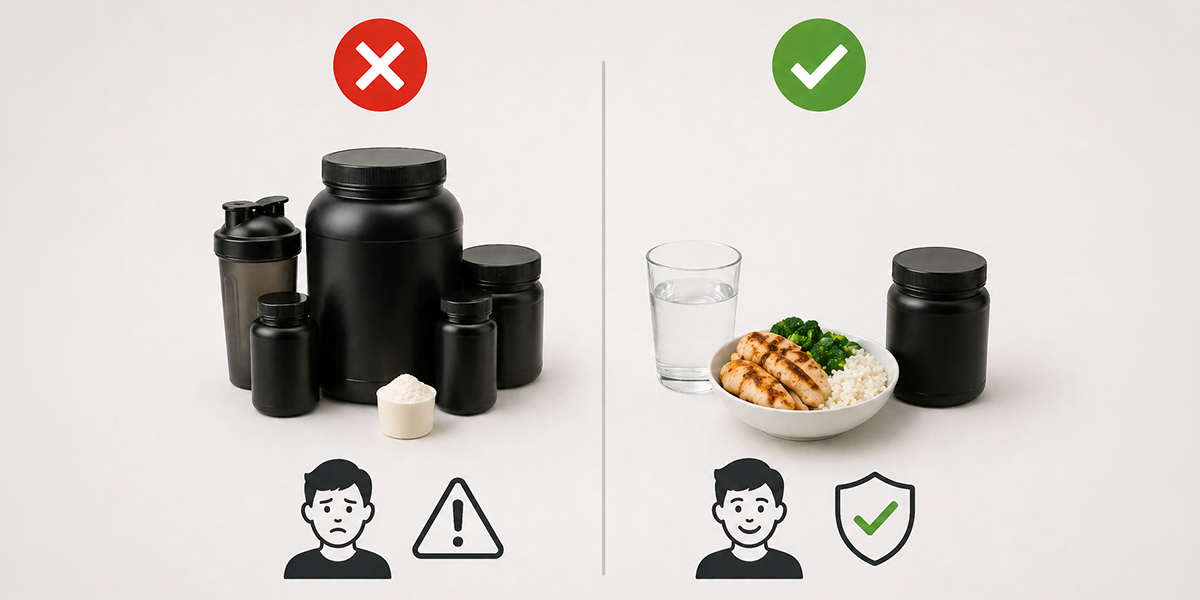
While products like protein, vitamins, and minerals may be useful in specific cases, teenagers should not use supplements without proper guidance from a qualified professional.
The Nature of the Teenage Body
The teenage body goes through continuous growth, hormonal changes, and physical development. During this stage, nutrition, sleep, and age-appropriate exercise are more important than advanced supplementation.
Any unmonitored external intervention, such as certain supplements or stimulant-based products, may negatively affect this natural balance. This is why teenagers should avoid using adult supplement routines without professional assessment.
Common Supplements Among Teenagers
Popular supplements among teenagers often include protein powders, energy boosters, creatine, and basic vitamins. Some may be relatively safe within appropriate limits, while others can pose risks if misused.
Common examples include:
- Protein powders
- Energy boosters
- Creatine
- Vitamins
- Minerals
The key issue is not only the supplement type, but also the dosage, quality, reason for use, and whether it is truly needed.
When Can Supplements Be Relatively Safe?
In certain cases, basic supplements may be acceptable if there is a real need, such as low dietary intake or a confirmed nutritional deficiency.
Examples may include:
- Protein supplementation when daily food intake is insufficient
- Vitamins in cases of confirmed deficiency
- Minerals when recommended by a healthcare professional
Even then, supplement use should always be done under professional supervision, especially for teenagers involved in sports or intense training.
Supplements to Be Cautious About
Some supplements require extra caution for teenagers, especially products that contain stimulants or aggressive performance-enhancing blends.
Be especially careful with:
- Pre-workout formulas
- High-stimulant energy products
- Supplements with high caffeine levels
- Unverified muscle-building formulas
These products may affect the heart, nervous system, sleep quality, and anxiety levels, particularly when used without supervision or combined with energy drinks.
The Role of Proper Nutrition
A balanced diet typically provides the nutrients a teenager needs for growth, sports performance, and recovery. Focusing on whole, nutritious foods reduces the need for supplementation.
A strong teenage nutrition plan should include:
- Lean proteins such as chicken, eggs, fish, dairy, and legumes
- Whole grains and healthy carbohydrates for energy
- Fruits and vegetables for vitamins, minerals, and antioxidants
- Healthy fats, including sources of omega-3
- Enough water and proper hydration
When these foundations are strong, supplements become less necessary for most teenagers.
Important Tips for Teenagers
Teenagers who train regularly should focus on safe, sustainable habits before considering supplements.
- Avoid supplements without professional guidance
- Do not copy adult training or supplement programs
- Focus on nutrition and adequate sleep
- Follow age-appropriate exercise routines
- Use supplements only when there is a clear need
FAQ
Do teenagers need protein supplements?
Not usually. Most teenagers can get enough protein from food. A protein supplement may be useful only when food intake is insufficient.
Are pre-workouts safe for teenagers?
Many pre-workouts contain high caffeine or stimulants, so teenagers should avoid them unless approved by a qualified professional.
Can teenagers take vitamins?
Yes, but only when needed. It is better to confirm deficiency or need before using vitamin supplements regularly.
What is the safest way for teenagers to build muscle?
The safest approach is proper nutrition, age-appropriate resistance training, enough sleep, hydration, and professional guidance when needed.
Conclusion
Sports supplements are not necessary for most teenagers and may pose risks if used improperly. During adolescence, the priority should be proper nutrition, regular exercise, adequate sleep, and safe training habits.
Supplements such as protein, vitamins, minerals, or omega-3 may be helpful in specific cases, but they should be used only when needed and preferably under professional guidance.