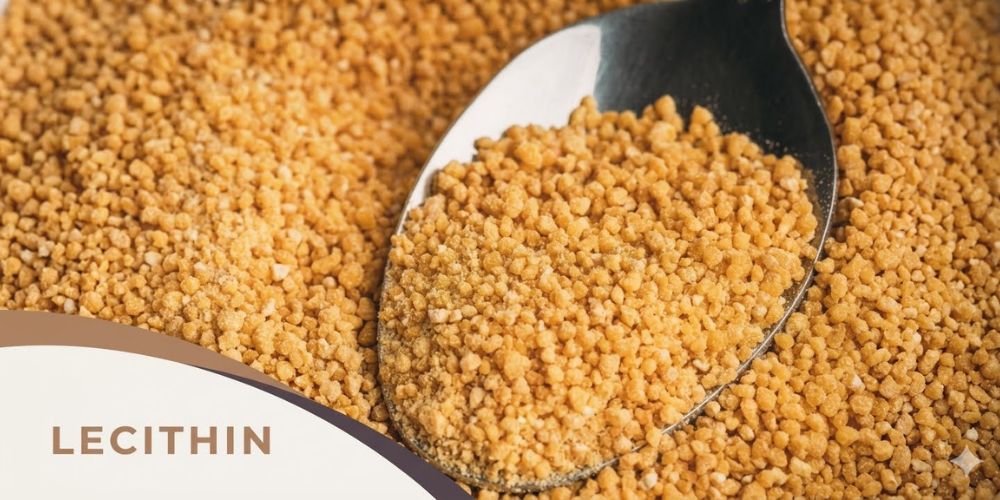


Lecithin is a naturally occurring mixture of phospholipids and other fatty substances found in foods such as soybeans, sunflower seeds, egg yolks, and certain animal and plant-based foods. It is also widely used as a nutritional ingredient in supplements because phospholipids play important structural and functional roles throughout the body.
Because lecithin is involved in cell membrane structure, fat metabolism, and the transport of certain fats and nutrients, it has attracted interest for its potential role in brain health, cardiovascular wellness, liver function, digestive health, and overall cellular health.
In this guide, we explore 5 health benefits of lecithin, how this versatile nutritional compound may support different aspects of wellness, its natural food sources, and important considerations when choosing and using a lecithin supplement.
Table of Contents
- What Is Lecithin?
- 1. Supports Brain and Cognitive Health
- 2. Supports Heart and Cholesterol Health
- 3. Supports Healthy Liver Function
- 4. Supports Digestive Health and Fat Metabolism
- 5. Supports Cell Membrane and Cellular Health
- Natural Food Sources of Lecithin
- Who May Consider a Lecithin Supplement?
- Recommended Lecithin Supplements
- FAQ
- Conclusion
What Is Lecithin?
Lecithin is a naturally occurring substance made up primarily of phospholipids, which are important components of cell membranes. It is found naturally in a variety of foods and is also commonly added to foods as an emulsifier to help blend ingredients that do not normally mix well, such as oil and water.
Common sources of lecithin include soybeans, sunflower seeds, egg yolks, and other foods. Lecithin supplements are available in different forms, including softgels, capsules, powders, and granules. The nutritional composition can vary depending on the source and manufacturing process.
One reason lecithin has attracted attention is its relationship with phosphatidylcholine and choline. Choline is an essential nutrient that contributes to normal neurotransmitter production, lipid transport, and the maintenance of normal cell structure. However, lecithin should not be considered equivalent to a standalone choline supplement because the amount and form of choline-related compounds can vary between products.
Lecithin is best viewed as a nutritional ingredient that may complement a balanced diet. Its potential benefits should be considered in the context of overall nutrition, regular physical activity, adequate sleep, and other healthy lifestyle habits.
1. Supports Brain and Cognitive Health
The brain contains a high concentration of lipids and phospholipids, which are important structural components of nerve cells and their membranes. Because lecithin provides phospholipid compounds, it has attracted scientific interest for its potential relationship with brain health and normal cognitive function.
Lecithin is particularly interesting because some of its components are involved in pathways related to choline metabolism and neurotransmitter production. Choline is used by the body to produce acetylcholine, a neurotransmitter involved in memory, learning, attention, and normal nervous system function.
However, the presence of choline-related compounds in lecithin does not mean that taking lecithin automatically improves memory or cognitive performance. Research on lecithin supplementation has produced mixed findings, and outcomes can depend on the formulation, dosage, nutritional status, and individual factors.
For people interested in long-term brain wellness, lecithin can therefore be considered as one part of a broader nutritional approach that includes adequate protein, healthy fats, essential vitamins and minerals, regular physical activity, quality sleep, and ongoing mental stimulation.
It is also important to distinguish nutritional support from medical treatment. Lecithin should not be used as a treatment for memory disorders or neurological conditions without appropriate professional guidance.
2. Supports Heart and Cholesterol Health
Lecithin has attracted scientific interest for its potential relationship with heart health, lipid metabolism, and healthy cholesterol levels. Because phospholipids are involved in the transport and processing of fats throughout the body, lecithin may play a supportive role in maintaining normal lipid metabolism.
Some research has investigated whether lecithin supplementation may influence cholesterol and other blood lipid markers. However, results can vary depending on the study, dosage, lecithin source, and individual health factors. Lecithin should therefore not be considered a proven treatment for high cholesterol or cardiovascular disease.
A heart-healthy lifestyle remains much more important than relying on a single supplement. Eating a diet rich in vegetables, fruits, whole grains, legumes, nuts, seeds, and healthy fats, while maintaining regular physical activity and a healthy weight, can provide a strong foundation for cardiovascular wellness.
For people who are already taking medication to manage cholesterol or cardiovascular health, lecithin supplements should be discussed with a healthcare professional before use. Supplements should complement, rather than replace, prescribed treatment and medical advice.
3. Supports Healthy Liver Function
The liver plays a central role in processing fats, nutrients, medications, and many other substances in the body. Phospholipids are important components of liver cell membranes, which is one reason lecithin has been investigated for its potential role in liver and metabolic health.
Phosphatidylcholine, one of the major phospholipids associated with lecithin, contributes to the structure and function of cell membranes. Adequate availability of phospholipids is therefore relevant to normal cellular processes throughout the body, including those occurring in the liver.
Research has explored phospholipids and lecithin in relation to liver function and lipid metabolism, but evidence does not support presenting lecithin as a detox supplement or as a treatment for liver disease. Maintaining a healthy body weight, limiting excessive alcohol intake, following a balanced diet, and staying physically active remain important foundations of liver wellness.
If you have a diagnosed liver condition, abnormal liver tests, or take medications that affect liver function, consult a healthcare professional before adding lecithin or any other nutritional supplement to your routine.
4. Supports Digestive Health and Fat Metabolism
Lecithin has natural emulsifying properties, meaning it can help fats interact with water. This characteristic is important in food production and also helps explain why lecithin has attracted interest in relation to fat metabolism and digestive wellness.
Phospholipids are involved in the structure of bile and cell membranes, while dietary fats require a complex process of digestion and absorption. Lecithin provides phospholipid compounds that participate in these normal biological processes.
However, lecithin should not be considered a digestive aid that can automatically improve digestion or treat gastrointestinal conditions. Individual responses to lecithin supplements may vary, and evidence for specific digestive benefits is still developing.
A healthy digestive routine should focus primarily on adequate dietary fiber, sufficient fluid intake, a varied diet, regular physical activity, and appropriate meal patterns. Lecithin may be considered an additional nutritional ingredient for people seeking targeted support as part of an overall balanced lifestyle.
5. Supports Cell Membrane and Cellular Health
One of the most fundamental roles of lecithin comes from its phospholipid content. Phospholipids are major structural components of cell membranes, helping maintain the structure, flexibility, and normal function of cells throughout the body.
Healthy cell membranes are essential because they help regulate what enters and leaves cells and support communication between cells and their surrounding environment. Since every organ and tissue depends on healthy cells, adequate availability of phospholipids is an important part of overall nutritional health.
Phospholipids also participate in numerous biological processes involving fats, signaling molecules, and cellular communication. This broad role helps explain why lecithin is used as a nutritional ingredient in products intended to support general wellness.
However, taking additional lecithin does not necessarily mean that cell function will improve beyond normal levels, particularly when a person's diet already provides adequate nutrients. Lecithin supplementation should therefore be viewed as a potential source of nutritional support rather than a guaranteed way to enhance cellular performance.
Natural Food Sources of Lecithin
Lecithin occurs naturally in a variety of foods, making a balanced diet an important way to obtain phospholipids and other nutrients that contribute to normal health.
Common dietary sources of lecithin include:
- Egg yolks: A naturally rich source of phospholipids, including phosphatidylcholine.
- Soybeans: One of the most commonly used commercial sources of lecithin.
- Sunflower seeds: A plant-based source frequently used to produce sunflower lecithin.
- Meat and fish: Provide phospholipids as well as protein and other essential nutrients.
- Dairy products: Can contribute phospholipids as part of a varied diet.
- Nuts and seeds: Provide healthy fats and a range of other nutrients that complement overall nutritional intake.
Including a variety of whole foods is generally preferable to relying on a single ingredient or supplement. A diverse diet can provide lecithin-related phospholipids together with protein, vitamins, minerals, fiber, and other beneficial nutrients.
Who May Consider a Lecithin Supplement?
Many people can obtain phospholipids and related nutrients through a varied diet. However, some individuals may choose a lecithin supplement as a convenient way to add a concentrated source of phospholipids to their daily nutritional routine.
A lecithin supplement may be considered by adults who are interested in nutritional support for areas such as:
- General cellular wellness
- Brain and neurological health
- Healthy lipid metabolism
- Overall nutritional support
The decision to use a supplement should take into account the individual's diet, nutritional needs, health status, medications, and wellness goals. Supplements should complement healthy eating rather than replace nutrient-rich foods.
Recommended Lecithin Supplements
If you are looking for lecithin supplements, explore the available options from Dr Nutrition. Different lecithin formulations may be available, allowing you to choose a product that fits your individual nutritional needs and daily wellness routine.
When choosing a lecithin supplement, consider the lecithin source, serving size, formulation, dietary preferences, and your individual health circumstances. Always follow the recommended serving instructions provided on the product label.
Explore Lecithin Supplements available from Dr Nutrition.
Lecithin supplements are intended to complement a balanced diet rather than replace nutritious foods. If you have a food allergy, chronic health condition, take prescription medication, or are unsure whether lecithin is appropriate for you, consult a healthcare professional before starting supplementation.
FAQ
1. What is lecithin used for?
Lecithin is commonly used as a nutritional supplement and source of phospholipids. It may support normal cell membrane structure, brain and neurological function, lipid metabolism, and overall cellular wellness.
2. What are the main health benefits of lecithin?
Lecithin has been studied for its potential relationship with brain health, cardiovascular wellness, healthy liver function, digestive and fat metabolism, and cell membrane health. However, the strength of evidence varies between these potential benefits.
3. Is lecithin good for brain health?
Lecithin provides phospholipids and compounds related to choline, a nutrient involved in normal brain and nervous system function. However, lecithin should be considered nutritional support rather than a guaranteed memory or cognitive enhancer.
4. Can lecithin support cholesterol health?
Lecithin has been investigated for its potential effects on lipid metabolism and cholesterol levels. However, research findings are not consistent enough to consider lecithin a treatment for high cholesterol. A balanced diet, physical activity, and appropriate medical care remain important for cardiovascular health.
5. Is lecithin safe to take every day?
Many adults tolerate lecithin when it is used according to product directions. However, individual needs and tolerance vary. People with allergies, medical conditions, or those taking prescription medications should consult a healthcare professional before regular supplementation.
Conclusion
Lecithin is a naturally occurring source of phospholipids that play important roles in cell membrane structure, lipid metabolism, brain function, and overall cellular health. Its nutritional properties have made lecithin a popular ingredient in supplements and functional foods.
The potential health benefits of lecithin include supporting brain and cognitive wellness, healthy cholesterol and lipid metabolism, normal liver function, digestive and fat metabolism, and healthy cell membranes. However, the strength of scientific evidence varies depending on the specific benefit, and lecithin should not be considered a cure or replacement for medical treatment.