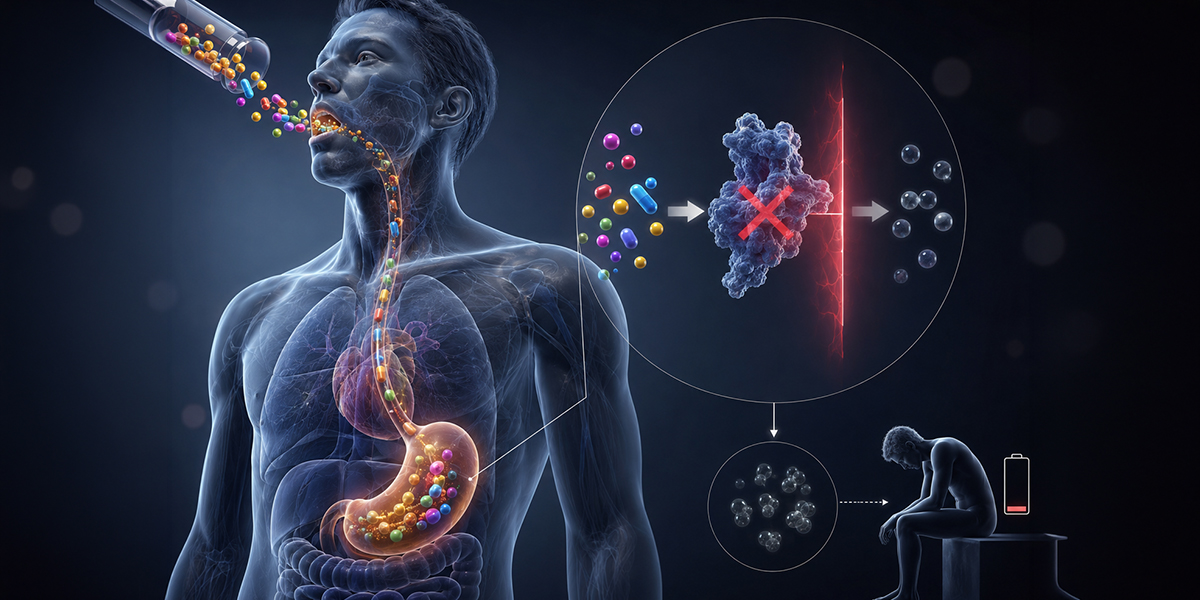


Many people take vitamins and dietary supplements to support energy, immunity, metabolism, and overall health. However, some individuals may not notice clear benefits even when they use supplements regularly.
In some cases, the issue is not necessarily the quality of the vitamin itself, but the body’s ability to absorb it, convert it, and use it in its active form. This is often referred to as conversion problems, poor activation, or reduced bioavailability of certain vitamins.
Table of Contents
What Are Vitamin Conversion Problems?
Conversion problems occur when the body has difficulty changing a vitamin from its consumed form into the active form that cells can use.
Some vitamins do not perform their full function immediately after being taken. They must first pass through digestion, absorption, transport, and biochemical activation.
If any part of this process is inefficient, a person may consume enough of a vitamin but still not feel the expected benefit.
Why Some Vitamins Need Activation
The body uses vitamins in specific biochemical forms. Some vitamins are consumed in inactive or less active forms and must be converted before they can support normal body functions.
This conversion depends on enzymes, liver function, gut health, nutrient status, and sometimes genetic factors.
When conversion is efficient, the body can use the vitamin properly. When conversion is weak, the vitamin may be less effective even if the supplement dose appears adequate on the label.
- Some vitamins need enzyme activation.
- Gut health affects absorption before conversion begins.
- The liver plays a major role in activating some nutrients.
- Genetic variations may affect certain vitamin pathways.
- Active forms may be useful for people with conversion difficulties.
Examples of Vitamins That Require Conversion
Several vitamins are well known for requiring conversion or activation before the body can use them effectively.
Common examples include vitamin B12, folic acid, and vitamin D. Some people may process certain forms better than others depending on digestion, genetics, medications, or health status.
| Vitamin | Common Regular Form | Active or More Bioavailable Form |
|---|---|---|
| Vitamin B12 | Cyanocobalamin | Methylcobalamin or Adenosylcobalamin |
| Folate | Folic Acid | Methylfolate or 5-MTHF |
| Vitamin D | Vitamin D2 or D3 | Activated through liver and kidney metabolism |
| Vitamin B6 | Pyridoxine HCl | Pyridoxal-5-Phosphate P-5-P |
Factors That Affect Absorption and Conversion
Vitamin absorption and conversion can be influenced by several lifestyle, digestive, and biological factors.
Poor gut health, digestive disorders, low stomach acid, chronic stress, lack of sleep, certain medications, liver or kidney concerns, and nutritional deficiencies may all reduce how efficiently vitamins are absorbed or activated.
Genetic variations may also affect enzymes involved in nutrient metabolism, making some individuals more likely to benefit from specific active forms.
- Digestive disorders may reduce absorption.
- Poor gut health may affect nutrient utilization.
- Chronic stress can influence digestion and metabolism.
- Some medications may interfere with vitamin levels.
- Genetic variations may reduce conversion efficiency.
- Low levels of supporting nutrients may affect activation pathways.
Are Active Vitamin Forms Always Better?
Active vitamin forms can be helpful for people who have difficulty converting regular forms into usable forms.
For example, methylfolate may be useful for individuals who do not process folic acid efficiently, and methylcobalamin may be preferred by some people using vitamin B12 supplements.
However, active forms are not automatically necessary for everyone. Many healthy people can absorb and convert regular vitamin forms efficiently.
| Situation | Regular Forms May Be Enough | Active Forms May Help |
|---|---|---|
| Normal digestion and no deficiency | Usually suitable | Not always needed |
| Poor response to regular vitamins | May be less effective | May improve utilization in some cases |
| Known conversion issues | May not be ideal | Often more appropriate |
| Sensitive individuals | May be tolerated well by some | Should be introduced carefully |
The Importance of a Balanced Diet
Whole foods remain one of the best sources of vitamins and minerals for most people.
Foods naturally provide a combination of nutrients, fiber, antioxidants, enzymes, and cofactors that work together to support absorption and utilization.
Supplements can be useful when dietary intake is low, needs are higher, or deficiency is confirmed, but they should complement a balanced diet rather than replace it.
- Eat a variety of fruits and vegetables.
- Include protein sources that provide B vitamins and minerals.
- Support gut health with fiber-rich foods.
- Use supplements based on need, not guesswork.
- Consider blood testing when symptoms persist.
- Choose vitamin forms based on tolerance and individual response.
Frequently Asked Questions
Why do some people not feel benefits from vitamins?
Some people may not absorb vitamins well or may have difficulty converting them into active forms that the body can use efficiently.
What does vitamin conversion mean?
Vitamin conversion means changing a vitamin into its active or usable form inside the body before it can fully support biological functions.
Which vitamins commonly require conversion?
Common examples include folic acid, vitamin B12, vitamin B6, and vitamin D, although the conversion process differs for each vitamin.
Are active vitamins better for everyone?
No. Active forms may help people with conversion issues, but many individuals can use regular vitamin forms effectively.
What should I do if vitamins do not work for me?
Consider checking your nutrient levels, reviewing your diet, supporting gut health, and choosing a vitamin form that matches your individual needs with professional guidance when needed.
Conclusion
Not benefiting from regular vitamins may sometimes be related to poor absorption or difficulty converting vitamins into their active forms.
Understanding individual needs, supporting digestive health, eating a balanced diet, and choosing the right vitamin form can help improve nutrient utilization and support better overall health. In cases of persistent symptoms or suspected deficiency, testing and professional guidance are the safest approach.