

Coenzyme Q10 (CoQ10): The Ultimate Cellular Energy & Heart Health Booster
Introduction
Coenzyme Q10 (CoQ10) is a powerful, naturally occurring antioxidant compound that plays a vital role in cellular energy production and overall health. It is found in nearly every cell of the body and is especially concentrated in high-energy organs such as the heart, brain, and muscles, where it supports optimal function and energy metabolism.
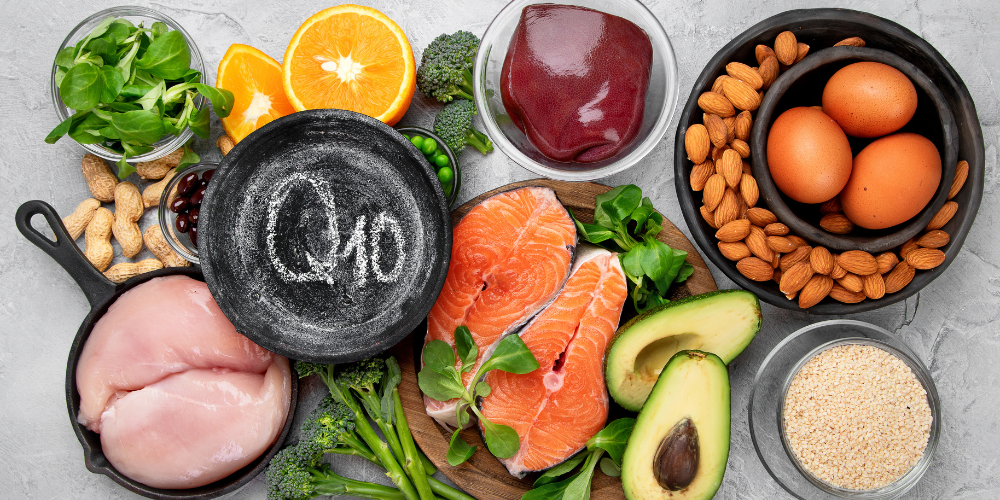
CoQ10 is also present in small dietary sources such as fatty fish, organ meats, nuts, and whole grains, but natural levels in the body tend to decline with age, stress, and certain health conditions. This decline has increased demand for CoQ10 supplements, particularly for supporting heart health, improving energy levels, and enhancing antioxidant protection.
Table of Contents
- What is Coenzyme Q10?
- How CoQ10 Works Inside the Body?
- Why CoQ10 Levels Decline with Age?
- Top 10 Science-Backed Health Benefits of CoQ10
- CoQ10 and Heart Health (Clinical Insights)
- Who Needs CoQ10 Supplementation?
- Ubiquinone vs Ubiquinol: Which Form of CoQ10 Is Best?
- Recommended Dosage & Absorption Tips
- Side Effects & Drug Interactions
- Recommended Coenzyme Q10 Products
- FAQ
- Conclusion
What is Coenzyme Q10?
Coenzyme Q10 (CoQ10) is a naturally occurring compound found in nearly every cell of the human body. It plays a vital role in energy production and acts as a powerful antioxidant that protects cells from oxidative stress.
CoQ10 is especially concentrated in organs that require high energy output, such as the heart, brain, liver, and muscles.
Without adequate CoQ10, cells struggle to produce energy efficiently, which can affect overall vitality and organ function.
How CoQ10 Works Inside the Body?
CoQ10 is located mainly in the mitochondria, often called the “powerhouses of the cell.”
Its two key roles are:
- Supporting ATP production (cellular energy)
- Neutralizing free radicals and reducing oxidative stress
This dual action makes CoQ10 essential for both energy metabolism and long-term cellular protection.
Why CoQ10 Levels Decline with Age?
Although the body produces CoQ10 naturally, levels gradually decrease over time.
Deficiency or low levels can be linked to:
- Aging (especially after 40–50 years)
- Poor diet or nutritional imbalance
- Chronic diseases such as diabetes or inflammation
- High cholesterol or cardiovascular issues
- Use of certain medications, especially statins and some beta-blockers
When CoQ10 levels drop, the body’s energy production and antioxidant defense become less efficient.
Top 10 Science-Backed Health Benefits of CoQ10
1. Supports Heart Function
CoQ10 is highly concentrated in heart tissue, where energy demand is extremely high. It supports stronger cardiac performance and improves energy efficiency in heart cells.
2. Boosts Energy Production
CoQ10 directly contributes to ATP synthesis, helping reduce fatigue and improve physical stamina.
3. Supports Brain Health
The brain is highly energy-dependent. CoQ10 supports cognitive performance and helps protect brain cells from oxidative damage.
4. Powerful Antioxidant Protection
It helps neutralize free radicals, reducing cellular damage and supporting overall anti-aging processes.
5. Enhances Muscle Performance
Improves oxygen utilization in muscles and supports better exercise endurance and recovery.
6. Supports Blood Pressure Balance
CoQ10 may help support healthy blood vessel function and improve circulation efficiency.
7. Supports Metabolic & Blood Sugar Balance
Emerging evidence suggests a supportive role in glucose metabolism and insulin sensitivity.
8. Eye Health Support
Helps protect retinal cells from oxidative stress, supporting long-term vision health.
9. Fertility Support (Men & Women)
CoQ10 may support egg and sperm quality by improving mitochondrial energy production.
10. Gum & Immune Support
Helps reduce oxidative stress in tissues, supporting immune balance and oral health.
CoQ10 and Heart Health (Clinical Insights)
Heart cells require continuous energy, making them highly dependent on CoQ10.
Clinical research highlights that CoQ10 supplementation may:
- Improve oxygen utilization in heart muscle
- Enhance cellular energy production
- Support better exercise capacity in individuals with heart-related fatigue
- Contribute to better blood pressure regulation
Important Medical Insight
Certain medications used for cholesterol management (such as statins) can reduce natural CoQ10 levels in the body. This may contribute to fatigue or muscle discomfort in some individuals.
In such cases, CoQ10 supplementation is often considered to help restore balance.
Who Needs CoQ10 Supplementation?
CoQ10 may be especially beneficial for:
- Adults over 40–50 years
- People experiencing chronic fatigue
- Individuals with cardiovascular concerns
- Those with diabetes or metabolic imbalance
- People taking cholesterol-lowering medications
- Individuals under high physical or mental stress
Ubiquinone vs Ubiquinol: Which Form of CoQ10 Is Best?
CoQ10 supplements are available in two primary forms: ubiquinone and ubiquinol. While both forms provide the same essential nutrient, understanding the differences between them can help you choose the option that best fits your health needs.
What Is Ubiquinone?
Ubiquinone is the oxidized form of CoQ10 and is the most commonly used form in dietary supplements. After absorption, the body naturally converts ubiquinone into ubiquinol, the active antioxidant form that cells use to support energy production and cellular protection.
Ubiquinone has been extensively studied for its role in supporting heart health, energy metabolism, and overall wellness. It is also generally more affordable than ubiquinol.
What Is Ubiquinol?
Ubiquinol is the reduced, active form of CoQ10 and accounts for the majority of CoQ10 circulating in the bloodstream. Because it is already in its active state, ubiquinol may be absorbed more efficiently by some individuals, particularly older adults or those with conditions that affect nutrient absorption.
Ubiquinol is especially popular among adults over 50, as the body's ability to convert ubiquinone into ubiquinol may become less efficient with age.
Which Form Should You Choose?
Both ubiquinone and ubiquinol can effectively increase CoQ10 levels and support overall health. For most healthy adults, either form can be a suitable choice when taken consistently and at an appropriate dosage.
However, ubiquinol may be preferred for:
- Adults over 50 years of age
- Individuals with increased oxidative stress
- People seeking enhanced absorption
- Those with cardiovascular health concerns
Recommended Dosage & Absorption Tips
General daily intake ranges:
- 100 mg/day for ubiquinol
- 200–300 mg/day for ubiquinone
Best absorption tips:
- Always take with food (especially fat-containing meals)
- Consistent daily use improves results over time
- Higher doses may be used under professional guidance
Side Effects & Drug Interactions
CoQ10 is considered very safe, even at relatively high doses.
Possible mild side effects may include:
- Digestive discomfort
- Headache
- Mild nausea (rare)
Drug interactions:
CoQ10 levels may be reduced by:
- Statins (cholesterol-lowering drugs)
- Beta-blockers
- Certain antidepressants
- Some antihypertensive medications
Recommended Coenzyme Q10 Products
FAQ
Is CoQ10 safe for daily use?
Yes, CoQ10 is generally safe for long-term daily supplementation when used within recommended doses.
When should I take CoQ10?
It is best taken with meals that contain healthy fats to improve absorption.
How long does CoQ10 take to work?
Some benefits may be noticed within a few weeks, but full effects often take 4–8 weeks of consistent use.
Can CoQ10 replace heart medications?
No. CoQ10 is a supportive supplement and should not replace prescribed medications.
Is CoQ10 only for older adults?
No, but it is more commonly beneficial after age 40 due to natural decline in levels.
Conclusion
Coenzyme Q10 is a crucial compound for energy production, cellular protection, and overall vitality. Its role becomes even more important with age and in individuals under physical or metabolic stress.
From heart function to brain health and energy support, CoQ10 stands out as one of the most important supplements for long-term wellness and healthy aging.