

Fat burning is a fundamental process for maintaining a healthy weight and sustaining daily energy levels. Understanding how the body converts fat into energy can significantly improve the effectiveness of diet plans, exercise programs, and long-term weight-loss strategies.
This process becomes even more effective when it is supported by structured training, balanced food choices, and the right nutritional foundation. For many people, that may include attention to protein, vitamins, minerals, and omega-3 as part of an overall healthy lifestyle.
Fat Storage in the Body
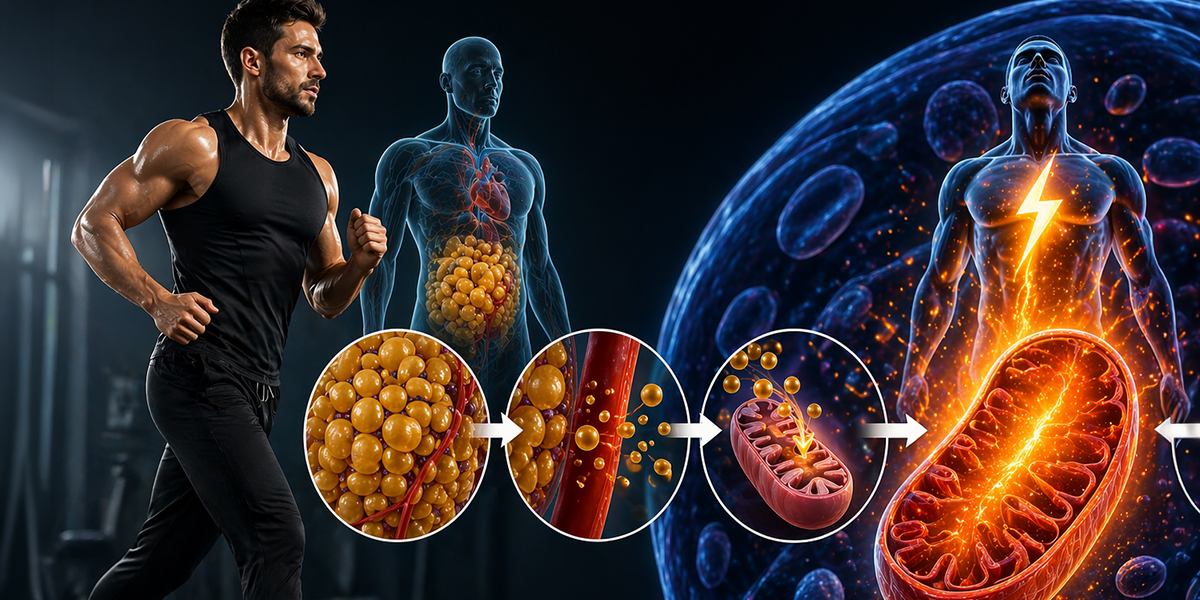
The body stores fat in fat cells in the form of triglycerides. These stored triglycerides act as a reserve fuel source that the body can rely on when immediate energy intake from food is not enough.
Stored fat is more likely to be used when:
- Calorie intake is reduced
- Energy demand increases, such as during physical activity
- The body needs additional fuel between meals or during fasting periods
This is why body fat should be understood not only as stored tissue, but also as an important energy reserve that the body can access when needed.
Lipolysis: Fat Breakdown
When the body requires energy, it starts a process called lipolysis. This is the first major step in converting stored fat into usable fuel.
During lipolysis:
- Stored fats are broken down
- They are converted into free fatty acids and glycerol
- These components are released into the bloodstream
This stage marks the beginning of fat being used as a fuel source rather than simply being stored in fat cells.
Transport to Muscles and Organs
Once free fatty acids are released into the bloodstream, they travel to tissues that can use them for energy production. The most important of these are the muscles and the liver.
These fatty acids are transported to:
- Muscles
- Liver
There, they enter metabolic pathways that allow them to be processed and converted into energy, especially during exercise or periods of increased energy demand.
Fat Oxidation
Inside the cells, fatty acids are transported into the mitochondria, where they undergo oxidation. This step is where the body turns stored fat into usable energy.
The main result of fat oxidation is the production of ATP, or adenosine triphosphate, which is the primary energy currency of the body. This is the core mechanism through which the body converts stored fat into fuel that can support movement, exercise performance, and basic daily functions.
Factors That Affect Fat Burning
The rate at which the body burns fat depends on several important factors. Fat burning is not controlled by one single habit, supplement, or workout style.
- Physical activity level: more movement generally increases energy use
- Dietary habits: calorie intake and food quality influence fuel use
- Hormonal balance: hormones affect fat storage and release
- Metabolic rate: a higher energy demand can support better fat use
Both cardio exercise and resistance training play an important role in helping the body improve its ability to use fat as an energy source. Adequate protein intake also matters because it helps support lean muscle mass, which contributes to long-term metabolic health.
How to Enhance Fat Burning
To optimize fat-burning efficiency, the most effective approach is to improve the overall lifestyle rather than rely on short-term fixes.
Helpful strategies include:
- Exercise regularly
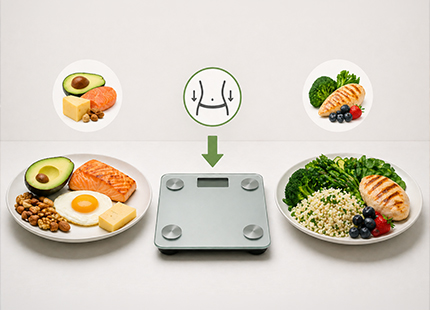
- Follow a balanced and nutrient-rich diet
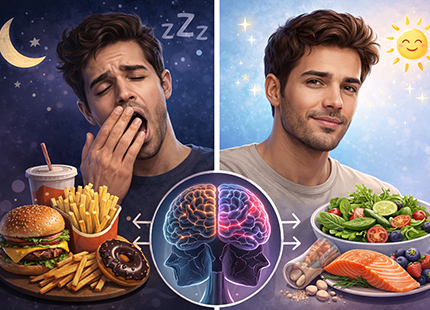
- Get sufficient sleep
- Manage stress levels
These habits help the body become more efficient at using stored fat for energy. For some people, improving nutritional support through vitamins, minerals, omega-3, and enough protein may also support better recovery, training performance, and dietary consistency.
FAQ
Does the body burn fat only during exercise?
No. The body can use fat for energy at rest as well, although physical activity usually increases total energy demand and supports better fat use.
What starts the fat-burning process?
The process begins with lipolysis, where stored triglycerides are broken down into free fatty acids and glycerol.
Does eating enough protein matter during fat loss?
Yes. Enough protein helps support muscle maintenance, recovery, and satiety during calorie control.
Can supplements replace diet and exercise for fat burning?
No. Supplements may support a plan, but they cannot replace a balanced diet, proper training, and consistent lifestyle habits.
Conclusion
The conversion of fat into energy is a complex biological process involving lipolysis, fatty acid transport, and oxidation to produce ATP. These steps explain how the body moves from storing fat to actually using it as fuel.
Understanding these mechanisms makes it easier to build more effective and sustainable nutrition and fitness strategies. When this process is supported by regular exercise, a balanced diet, sufficient protein, and a strong nutritional base that may include vitamins, minerals, and omega-3 where needed, fat loss becomes more efficient, practical, and sustainable over time.