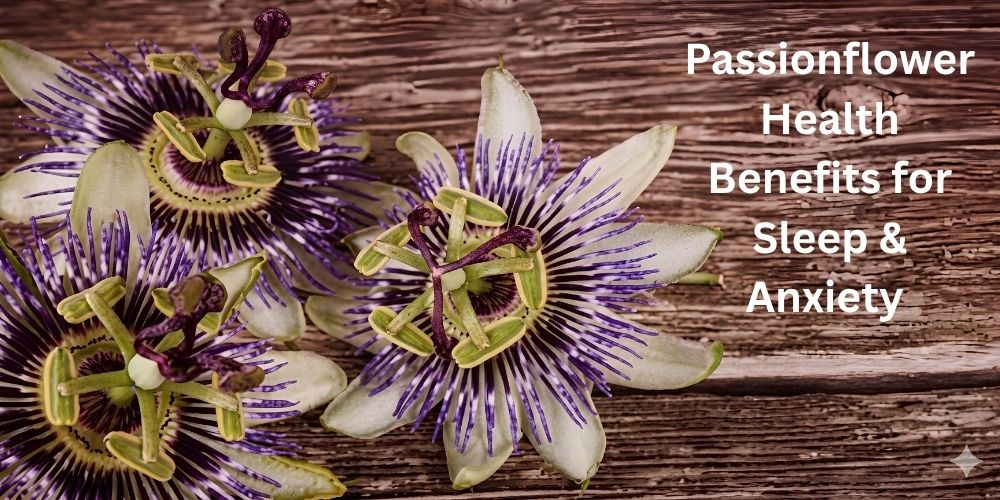


Passionflower has a long history of traditional use and has become increasingly popular as a botanical ingredient in supplements designed to support relaxation, sleep, and emotional wellness. Today, passionflower is particularly interesting to people looking for plant-based options to complement healthy lifestyle habits and support a calmer daily routine.
Commonly derived from Passiflora incarnata, passionflower contains naturally occurring plant compounds that have been studied for their potential effects on the nervous system. Research has explored passionflower in areas such as occasional anxiety, sleep quality, relaxation, and stress-related symptoms. However, the strength of evidence varies depending on the specific health benefit, extract, dosage, and population studied.
Unlike prescription medicines used to treat diagnosed anxiety or sleep disorders, passionflower is generally considered a complementary herbal option. It should not be viewed as a guaranteed treatment or a replacement for professional medical care. Understanding both its potential benefits and limitations can help people make more informed decisions about using passionflower supplements.
Table of Contents
- What Is Passionflower?
- How Does Passionflower Work?
- 1. May Support Relaxation and Calmness
- 2. May Support Healthy Sleep
- 3. Passionflower and Occasional Anxiety
- 4. May Support a Healthy Stress Response
- 5. Passionflower and Menopausal Wellness
- How to Take Passionflower
- Is Passionflower Safe for Everyone?
- Recommended Sleep & Relaxation Supplements
- FAQ
- Conclusion
What Is Passionflower?
Passionflower is a flowering plant belonging to the Passiflora genus, with Passiflora incarnata being one of the species most commonly associated with herbal preparations. The aerial parts of the plant, including the leaves, stems, and flowers, may be used to produce teas, liquid extracts, capsules, tablets, and other supplement forms.
Passionflower contains several naturally occurring compounds, including flavonoids and other phytochemicals. Researchers have investigated these compounds because of their potential relationship with pathways involved in nervous-system activity and relaxation. This has contributed to growing interest in passionflower as a botanical ingredient for sleep and emotional wellness.
Traditional use of passionflower has often focused on calming and soothing effects. Modern research has attempted to evaluate these traditional applications more systematically, particularly in relation to occasional nervousness, stress, and sleep. While some studies have produced encouraging findings, the available evidence is not strong enough to conclude that passionflower works equally well for everyone.
How Does Passionflower Work?
The potential effects of passionflower are thought to be related partly to its influence on neurotransmitter systems involved in nervous-system activity. One area of scientific interest is gamma-aminobutyric acid (GABA), an inhibitory neurotransmitter that helps regulate neuronal activity and contributes to the body's natural processes associated with relaxation.
Some research suggests that compounds found in passionflower may influence GABA-related activity. By supporting pathways associated with calming signals in the nervous system, passionflower may help explain why the herb has traditionally been used to promote relaxation and support sleep.
However, the exact mechanisms behind passionflower's effects in humans are not fully established, and results from laboratory or preliminary research should not automatically be interpreted as proof of a specific clinical benefit. The effects can also depend on the type and concentration of extract used.
For this reason, passionflower is best considered one potential component of a broader wellness strategy. Healthy sleep habits, regular physical activity, balanced nutrition, stress management, and appropriate medical care remain important foundations for overall mental and physical well-being.
1. May Support Relaxation and Calmness
One of the most common reasons people choose passionflower is to support relaxation and a calmer state of mind. Modern lifestyles can involve work demands, poor sleep, emotional stress, and frequent stimulation, making relaxation an important part of maintaining overall well-being.
Passionflower has traditionally been used as a calming botanical, and its potential interaction with GABA-related pathways has led researchers to investigate whether it may help promote relaxation. Some studies have reported improvements in measures of anxiety or nervousness, although the quality and size of studies vary.
For people experiencing occasional everyday stress, passionflower may be considered a complementary option alongside established relaxation strategies. These can include regular exercise, breathing techniques, reducing excessive caffeine intake, maintaining consistent sleep schedules, and taking time away from screens and other sources of stimulation.
Importantly, feeling stressed or occasionally nervous is different from having a diagnosed anxiety disorder. Persistent anxiety, panic attacks, severe emotional distress, or symptoms that interfere with daily life should be assessed by a qualified healthcare professional rather than managed with passionflower alone.
2. May Support Healthy Sleep
Passionflower is widely used in herbal wellness products formulated to support relaxation and healthy sleep. Getting enough quality sleep is essential for physical recovery, concentration, emotional balance, immune function, and overall well-being. When occasional stress or difficulty relaxing makes it harder to wind down, calming botanicals such as passionflower may be of interest.
Research has explored passionflower's potential effects on sleep quality and sleep-related measures. Some studies suggest that passionflower may help support aspects of sleep, potentially through its influence on calming pathways in the nervous system. However, research remains limited, and results can vary depending on the extract, dose, study design, and individual response.
Passionflower should therefore be viewed as a complementary approach rather than a guaranteed solution for insomnia. Establishing a consistent bedtime routine, limiting caffeine late in the day, reducing screen exposure before bed, maintaining a comfortable sleep environment, and following regular sleep and wake times can all support healthy sleep.
If difficulty sleeping continues for several weeks, significantly affects daytime functioning, or occurs alongside symptoms such as loud snoring, breathing interruptions, persistent low mood, or severe anxiety, professional evaluation is recommended. An underlying sleep or health condition may require a more specific approach.
3. Passionflower and Occasional Anxiety
Passionflower has attracted scientific interest because of its traditional use for nervousness and its potential interaction with pathways involved in relaxation. Some clinical research has investigated whether passionflower may help reduce occasional feelings of anxiety or nervous tension.
The potential calming effects of passionflower are thought to be associated, at least partly, with GABA-related activity in the nervous system. GABA helps regulate neuronal activity, and supporting normal inhibitory signaling may contribute to feelings of calmness and relaxation.
Some studies have reported encouraging results, but the available evidence is not sufficient to establish passionflower as a treatment for anxiety disorders. Differences in extract preparation, dosage, participant characteristics, and study duration also make it difficult to determine a single universally effective amount.
For occasional nervousness, passionflower may be considered alongside lifestyle measures such as regular exercise, adequate sleep, relaxation techniques, balanced nutrition, and reducing excessive caffeine intake. However, persistent anxiety, panic symptoms, intrusive worries, or anxiety that interferes with work, relationships, or daily activities should be discussed with a healthcare professional.
4. May Support a Healthy Stress Response
Stress is a normal response to challenging situations, but ongoing stress can affect sleep, concentration, mood, energy levels, and overall quality of life. Supporting healthy relaxation is therefore an important part of a balanced approach to managing everyday stress.
Passionflower's traditional calming properties have made it a popular ingredient in supplements intended to support relaxation during periods of occasional stress. Its potential influence on GABA-related signaling may help explain its use in this area, although more research is needed to understand the extent of its effects in different populations.
Rather than relying on a single supplement, stress management is most effective when several healthy habits work together. Regular physical activity, sufficient sleep, nutritious meals, time outdoors, breathing exercises, social connection, and structured breaks can all help support a healthy response to everyday pressures.
Passionflower may complement these habits for some adults, but it should not be considered a substitute for professional support when stress becomes overwhelming or persistent. Significant changes in mood, prolonged emotional distress, or difficulty coping with normal daily activities warrant appropriate medical or mental health support.
5. Passionflower and Menopausal Wellness
Menopause is associated with changing hormone levels that may contribute to symptoms such as occasional sleep difficulties, mood changes, nervousness, and difficulty relaxing. These changes can affect overall quality of life, which has led to interest in complementary approaches that may support relaxation and emotional wellness.
Passionflower has been investigated in relation to some symptoms that can occur during menopause, particularly areas involving sleep and emotional well-being. However, evidence specifically supporting passionflower for menopause remains limited, and it should not be considered a treatment for hormonal changes themselves.
Women going through menopause may benefit from a comprehensive approach that includes regular exercise, adequate protein and calcium intake, healthy sleep habits, stress management, and appropriate medical care. Individual symptoms can have different causes, so persistent or severe concerns should be evaluated by a healthcare professional.
How to Take Passionflower
Passionflower is available in several forms, including teas, capsules, tablets, and liquid extracts. The amount and concentration can vary considerably between products, so there is no single dosage that is appropriate for everyone or every purpose.
When using a passionflower supplement, follow the manufacturer's recommended serving and read the product label carefully. Do not assume that taking a larger amount will produce stronger benefits. Higher intake may also increase the likelihood of unwanted effects such as drowsiness or digestive discomfort.
Because passionflower may have calming effects, people should be mindful of when they take it, particularly if they need to drive, operate machinery, or remain highly alert. Avoid combining it with other strongly sedating products unless advised by a healthcare professional.
Anyone taking prescription medicines, preparing for surgery, pregnant or breastfeeding, or managing an ongoing health condition should seek professional advice before using passionflower supplements. A healthcare professional can help determine whether it is appropriate based on the individual's health status, medications, and intended use.
Is Passionflower Safe for Everyone?
Passionflower is generally well tolerated by many adults when used appropriately and according to the product’s recommended instructions. However, as with other herbal supplements, it can cause unwanted effects in some people. Possible side effects may include drowsiness, dizziness, confusion, or mild digestive discomfort. Individual responses can vary depending on the amount used and whether passionflower is combined with other ingredients or medicines.
Because passionflower may have calming and sedative effects, caution is particularly important when it is taken with medicines or supplements that can also cause drowsiness. People using sleep aids, sedatives, or other medications that affect the central nervous system should consult a healthcare professional before using passionflower. It is also advisable to avoid combining multiple relaxation products without reviewing their ingredients.
Pregnant or breastfeeding women should seek professional medical advice before using passionflower supplements. Safety may depend on the specific formulation, amount, and individual circumstances, and herbal supplements should not automatically be assumed to be appropriate during pregnancy or breastfeeding.
Passionflower may also not be suitable for everyone before surgery or when sedation is involved. Anyone with an ongoing medical condition or who regularly takes prescription or over-the-counter medicines should discuss herbal supplementation with a qualified healthcare professional.
Finally, passionflower should not be used as a substitute for medical evaluation or treatment. Persistent insomnia, severe anxiety, significant mood changes, or symptoms that interfere with daily life should be discussed with an appropriate healthcare professional to identify the underlying cause and determine suitable treatment.
Recommended Sleep & Relaxation Supplements
Explore sleep and relaxation supplements designed to complement healthy lifestyle habits and support overall rest and relaxation. Passionflower supplements may be considered by adults looking for herbal nutritional support as part of a broader approach to maintaining healthy sleep patterns and managing occasional everyday stress.
- Passionflower Supplements
Ideal for: Adults interested in adding passionflower to their nutritional routine as part of an approach to relaxation and healthy sleep support. - Sleep & Relaxation Supplements
Ideal for: Adults looking for nutritional products that complement healthy sleep habits and support relaxation and overall nighttime wellness.
Tip: Before choosing a passionflower supplement, check the extract amount, serving size, additional ingredients, and usage instructions. If you take medication, are pregnant or breastfeeding, have an ongoing medical condition, or regularly use other products that cause drowsiness, consult a healthcare professional before starting supplementation.
FAQ
1. What is passionflower used for?
Passionflower is commonly used as a herbal supplement for relaxation and sleep support. It has also been studied for its potential role in occasional anxiety and healthy stress management, although evidence varies depending on the intended use.
2. Can passionflower help with sleep?
Passionflower has been studied for its potential calming effects and may support healthy sleep in some people. However, results can vary, and it should not be considered a guaranteed treatment for insomnia or other sleep disorders.
3. Does passionflower help with anxiety?
Some research suggests that passionflower may have calming properties that could support relaxation and occasional anxiety. However, it is not a replacement for professional assessment or treatment of an anxiety disorder.
4. Can I take passionflower every day?
The appropriate frequency and amount depend on the specific product and individual circumstances. If using passionflower regularly, follow the manufacturer’s recommended serving and consult a healthcare professional if you take medications, have a medical condition, or experience persistent symptoms.
Conclusion
Passionflower is a traditional botanical ingredient that has attracted modern interest for its potential calming, relaxation, and sleep-supporting properties. Research has explored its possible role in healthy sleep, occasional anxiety, stress response, and certain aspects of menopausal wellness, although the strength of evidence varies across these uses.
For adults interested in passionflower, it may be considered as part of a broader wellness approach that includes consistent sleep habits, regular physical activity, balanced nutrition, stress management, and a relaxing nighttime routine. Supplements should complement these foundations rather than replace healthy lifestyle practices or appropriate medical care.
Choosing a passionflower product should involve checking the form, extract amount, serving instructions, and additional ingredients. People who are pregnant or breastfeeding, take prescription medication, have an ongoing health condition, or use other products with sedative effects should seek professional advice before supplementation.