

A healthy smile starts with good oral hygiene. Taking care of your teeth and gums is not only essential for maintaining fresh breath and a confident smile, but it also plays an important role in supporting overall health. Poor oral care habits can lead to common dental concerns such as cavities, plaque buildup, gum disease, tooth sensitivity, and other oral health problems.
Oral hygiene is more than simply brushing your teeth. A complete dental care routine includes proper brushing techniques, regular flossing, choosing suitable oral care products, maintaining a balanced diet, and visiting your dentist for routine check-ups.
By developing consistent daily habits, you can help protect your teeth, maintain healthy gums, and reduce the risk of many common oral problems. This guide explains the essential steps of effective oral hygiene and how simple lifestyle changes can support long-term dental health.
Table of Contents
- What Is Oral Hygiene and Why Is It Important?
- The Essential Steps of a Good Oral Hygiene Routine
- How to Brush Your Teeth Properly
- The Importance of Flossing for Healthy Gums
- Choosing the Right Oral Care Products
- Common Oral Hygiene Mistakes to Avoid
- Foods and Habits That Affect Oral Health
- How to Maintain Oral Hygiene at Different Ages
- Recommended Oral Hygiene Products
- FAQ
- Conclusion
What Is Oral Hygiene and Why Is It Important?
Oral hygiene refers to the daily practices that help keep your teeth, gums, tongue, and mouth clean and healthy. Good oral care helps remove plaque, prevent tooth decay, support gum health, and maintain fresh breath.
The mouth is an important part of overall wellness. Healthy teeth and gums support proper eating, speaking, comfort, and confidence. Maintaining good oral hygiene can also help reduce the risk of dental problems that may require professional treatment.
The Essential Steps of a Good Oral Hygiene Routine
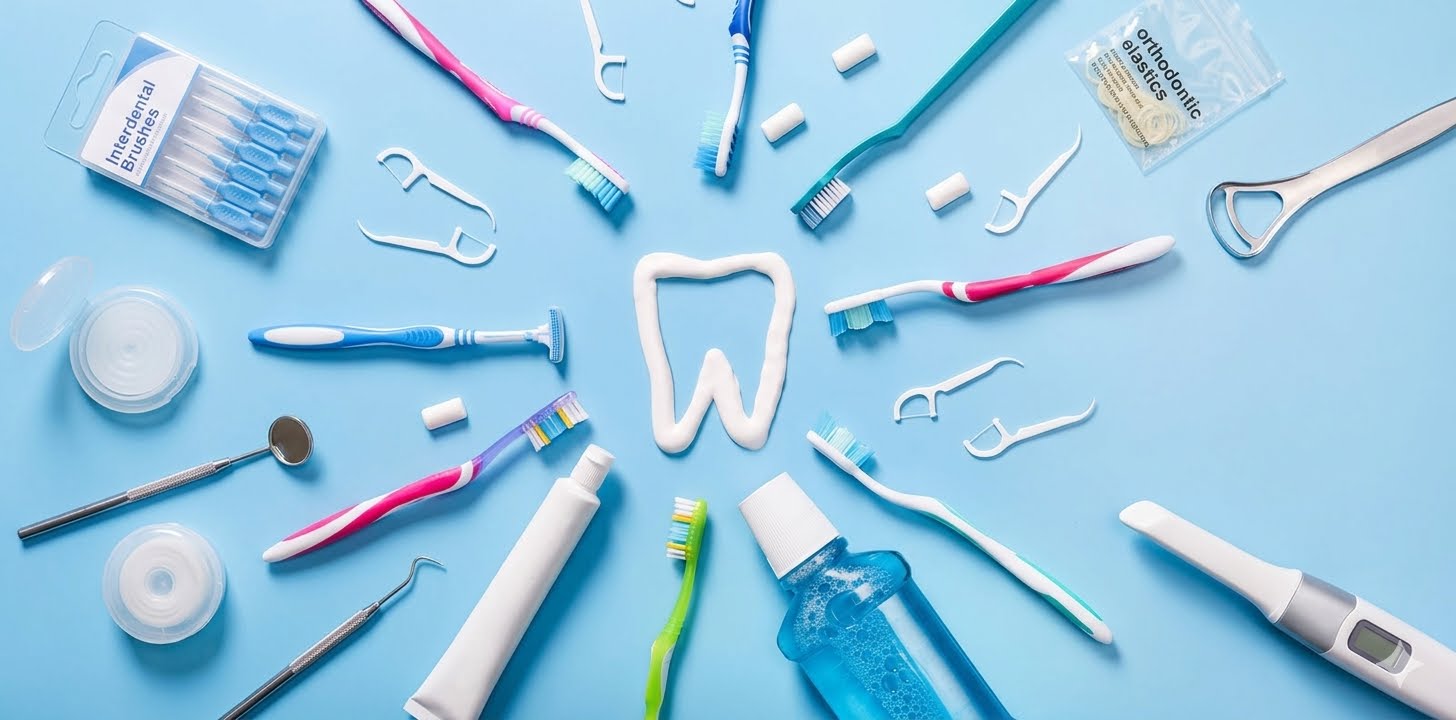
A complete oral hygiene routine combines several simple habits that work together to protect your smile:
- Brush your teeth twice daily using fluoride toothpaste
- Clean between teeth with floss or interdental brushes
- Use mouthwash when appropriate for additional oral support
- Clean your tongue to remove bacteria and maintain fresh breath
- Schedule regular dental check-ups
Consistency is more important than complicated routines. Small daily actions can make a significant difference in maintaining healthy teeth and gums.
How to Brush Your Teeth Properly
Brushing is the foundation of oral hygiene, but the technique matters. Brushing incorrectly may leave plaque behind or irritate the gums.
For effective brushing:
- Use gentle circular movements along the teeth and gumline
- Brush for approximately two minutes
- Clean all tooth surfaces, including the front, back, and chewing areas
- Use a soft-bristle toothbrush to avoid damaging gums
- Avoid applying excessive pressure while brushing
Replacing your toothbrush regularly helps maintain effective cleaning and better oral hygiene results.
The Importance of Flossing for Healthy Gums
Flossing is an essential part of oral care because it removes food particles and plaque from areas that a toothbrush cannot easily reach, especially between teeth and under the gumline.
Regular flossing helps support healthier gums, reduces plaque buildup, and complements daily brushing. People who find traditional floss difficult may consider alternatives such as floss picks or interdental brushes.
Choosing the Right Oral Care Products
Selecting the right oral care products can make your daily routine more effective. The best products depend on your personal needs and dental concerns.
Important products include:
- Fluoride toothpaste: Helps strengthen tooth enamel and protect against cavities.
- Toothbrush: Soft-bristle brushes are commonly recommended for gentle and effective cleaning.
- Electric toothbrush: May help improve plaque removal with proper use.
- Mouthwash: Can provide additional support for fresh breath and oral cleanliness.
Common Oral Hygiene Mistakes to Avoid
Even with regular brushing, some habits may affect your oral health. Common mistakes include:
- Brushing too aggressively
- Skipping flossing
- Using a toothbrush for too long
- Ignoring early signs of dental problems
- Consuming excessive sugary foods and drinks
- Not visiting the dentist regularly
Foods and Habits That Affect Oral Health
Your diet plays an important role in maintaining healthy teeth and gums. Foods rich in calcium, phosphorus, and fiber can support oral health, while frequent consumption of sugary and acidic foods may increase the risk of tooth damage.
Helpful habits include:
- Drinking enough water throughout the day
- Limiting sugary snacks and beverages
- Eating a balanced diet rich in vegetables and whole foods
- Maintaining regular oral care habits
How to Maintain Oral Hygiene at Different Ages
Oral care needs can change throughout life. Children need early guidance to develop healthy habits, adults should focus on preventing cavities and gum problems, and older adults may require additional care to maintain strong teeth and comfortable gums.
Starting good oral hygiene habits early and maintaining them consistently can support lifelong dental health.
Recommended Oral Hygiene Products
Explore a variety of toothpaste and oral care products designed to support your daily dental routine:
FAQ
1. Is flossing really necessary if I brush regularly?
Yes. Brushing cleans the surfaces of your teeth, but flossing removes plaque and food particles from between teeth and along the gumline where a toothbrush cannot reach.
2. How often should I replace my toothbrush?
A toothbrush should generally be replaced every three months or sooner if the bristles become worn or damaged to maintain effective cleaning.
3. Can mouthwash replace brushing and flossing?
No. Mouthwash can support oral hygiene by reducing bacteria and freshening breath, but it should be used as an addition to brushing and flossing.
4. What causes bad breath even with regular brushing?
Bad breath can result from bacteria buildup on the tongue, gum problems, dry mouth, certain foods, or poor cleaning between teeth.
5. How often should I visit the dentist?
Regular dental check-ups are commonly recommended every six months, but the ideal frequency depends on your individual oral health needs and dentist recommendations.
Conclusion
Good oral hygiene is the foundation of healthy teeth, strong gums, and a confident smile. A consistent routine that includes proper brushing, flossing, suitable oral care products, and healthy lifestyle choices can help prevent many common dental concerns.
Small habits can create long-term benefits. By caring for your oral health every day and maintaining regular dental visits, you can protect your smile and support your overall well-being for years to come.