

Acne is one of the most common skin conditions affecting teenagers and adults worldwide. It develops when hair follicles become clogged with excess oil, dead skin cells, and bacteria, leading to inflammation and visible breakouts such as pimples, blackheads, and whiteheads.
Although many medical treatments exist, a large number of people prefer natural acne solutions that focus on balancing the skin, reducing inflammation, and supporting long-term skin health without harsh chemicals.
This guide explains the root causes of acne, natural ingredients, skincare routines, dietary guidance, lifestyle habits, and prevention strategies for achieving clearer skin in a safe and effective way.
Table of Contents
- What Causes Acne? Understanding the Root Problem
- Types of Acne You Should Know
- Natural Ingredients That Help Fight Acne
- Best Natural Skincare Routine for Acne-Prone Skin
- Gentle Cleansing Tips
- Moisturizing Without Clogging Pores
- Importance of Sunscreen
- Diet and Nutrition for Clear Skin
- Foods That Help Reduce Acne
- Foods That May Trigger Breakouts
- Lifestyle Habits That Improve Acne Naturally
- Home Remedies for Acne Treatment
- What to Avoid When Treating Acne Naturally
- When Natural Remedies Are Not Enough
- How to Prevent Acne Breakouts Long-Term
- Recommended Acne Skin Products
- FAQ
- Conclusion
What Causes Acne? Understanding the Root Problem
Acne develops due to a combination of excess sebum production, clogged pores, bacteria growth, hormonal fluctuations, and inflammation. When oil mixes with dead skin cells, pores become blocked, creating an ideal environment for acne-causing bacteria.
Additional triggers include stress, poor diet, lack of proper skincare, hormonal changes, and environmental pollution, all of which can worsen breakouts.
Types of Acne You Should Know
Understanding the different types of acne is essential for selecting the right treatment approach and achieving clearer skin more effectively. Each type forms differently within the pores and varies in severity, inflammation level, and healing time. Identifying your acne type helps you avoid using the wrong products, which can sometimes worsen breakouts.
Blackheads (Open Comedones)
Blackheads are one of the mildest forms of acne. They occur when hair follicles become clogged with excess oil (sebum), dead skin cells, and impurities. Unlike other types of acne, the pore remains open at the surface, allowing the trapped material to oxidize when exposed to air, which gives it a dark or black appearance.
Blackheads are most commonly found on the nose, forehead, and chin (T-zone area), where oil production is higher. Although they are not usually inflamed or painful, they can become more noticeable if not properly managed. Regular cleansing, exfoliation, and non-comedogenic skincare products can help reduce and prevent them.
Whiteheads (Closed Comedones)
Whiteheads form when pores become completely blocked with oil, dead skin cells, and bacteria, but unlike blackheads, the pore remains closed at the surface. This prevents oxidation, so the blockage appears as small white or skin-colored bumps.
Whiteheads are often slightly raised and can appear on the face, chest, or back. They are more difficult to remove than blackheads because the pore is sealed. Using gentle exfoliation, salicylic acid, and consistent skincare routines can help gradually clear them without damaging the skin barrier.
Papules
Papules are small, red, inflamed bumps that develop when clogged pores become irritated. They do not contain visible pus and may feel tender or sensitive when touched. Papules indicate that the immune system is responding to bacteria inside the pore.
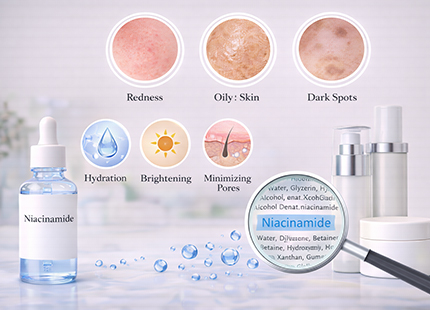
These lesions often appear in clusters and can worsen if squeezed or picked. Proper treatment focuses on calming inflammation, reducing bacteria, and avoiding aggressive physical contact. Ingredients like aloe vera, niacinamide, and gentle anti-inflammatory skincare can help soothe papules effectively.
Pustules
Pustules are similar to papules but contain visible pus at the center, giving them a white or yellow tip surrounded by red, inflamed skin. They occur when white blood cells gather to fight infection inside the pore.
Pustules are more noticeable and often associated with discomfort or mild pain. While they may look similar to “typical pimples,” improper handling such as popping can lead to scarring or further infection. Treatment usually involves antibacterial ingredients, gentle cleansing, and targeted acne treatments to reduce inflammation and promote healing.
Cystic Acne
Cystic acne is the most severe form of acne and develops deep beneath the skin’s surface. It occurs when pores become severely clogged and infected, leading to large, painful, swollen lumps filled with pus and inflammation.
This type of acne often does not come to a visible head and can last for weeks or even months. It is commonly linked to hormonal imbalances, stress, or genetic factors. Cystic acne has a higher risk of scarring and usually requires more advanced treatment approaches, sometimes including prescription medication or dermatological care.
Because of its depth and severity, cystic acne should not be squeezed or treated aggressively at home. Instead, a combination of medical guidance, anti-inflammatory skincare, and lifestyle adjustments is recommended for long-term control.
Natural Ingredients That Help Fight Acne
Natural skincare ingredients can play an important role in improving acne-prone skin by targeting multiple causes of breakouts such as excess oil, bacteria, and inflammation. These ingredients are often gentler on the skin compared to harsh chemical treatments, making them suitable for daily use when applied correctly and consistently.
Aloe Vera
Aloe Vera is widely known for its soothing and healing properties. It helps calm irritated skin, reduce redness, and support the natural repair process of damaged skin. Its lightweight texture also provides hydration without clogging pores, making it suitable for oily and acne-prone skin types.
Tea Tree Oil
Tea Tree Oil is a powerful natural ingredient with strong antibacterial and anti-inflammatory properties. It helps target acne-causing bacteria while reducing swelling and redness. When used in diluted form, it can be an effective spot treatment for active breakouts.
Honey
Honey acts as a natural antibacterial and moisturizing agent. It helps cleanse the skin gently while maintaining hydration levels. Its soothing properties can reduce irritation and support faster healing of minor acne lesions.
Green Tea
Green Tea is rich in antioxidants that help protect the skin from damage and reduce excess oil production. It also has calming effects that can help minimize redness and inflammation associated with acne flare-ups.
Turmeric
Turmeric contains curcumin, a natural compound known for its strong anti-inflammatory and antibacterial benefits. It helps reduce redness, calm swelling, and improve overall skin clarity when used properly in masks or topical treatments.
Best Natural Skincare Routine for Acne-Prone Skin
Gentle Cleansing Tips
Cleanse your skin twice daily using a gentle, sulfate-free cleanser. Over-cleansing can strip natural oils and trigger more oil production, worsening acne.
Moisturizing Without Clogging Pores
Even acne-prone skin needs hydration. Use lightweight, non-comedogenic moisturizers that maintain skin balance without clogging pores or increasing oiliness.
Importance of Sunscreen
Daily sunscreen protects against UV damage, prevents dark acne scars, and reduces inflammation. Choose oil-free, non-comedogenic formulas for best results.
Diet and Nutrition for Clear Skin
Diet plays an important role in skin health by influencing hormones and inflammation levels in the body.
Foods That Help Reduce Acne
- Fresh fruits and vegetables
- Omega-3 rich foods (fish, flaxseeds)
- Leafy greens
- Whole grains
- Plenty of water
Foods That May Trigger Breakouts
- High sugar foods and drinks
- Processed foods
- Fast food
- Dairy products (for some individuals)
- Refined carbohydrates
Lifestyle Habits That Improve Acne Naturally
Healthy lifestyle choices play a major role in reducing acne severity and preventing new breakouts.
- Managing stress through exercise or meditation
- Getting enough sleep (7–8 hours)
- Keeping pillowcases and phones clean
- Avoiding touching or picking the face
Home Remedies for Acne Treatment
Simple natural remedies may help reduce mild acne and inflammation.
- Aloe vera gel for soothing irritated skin
- Honey mask for antibacterial hydration
- Green tea compress to reduce redness
- Diluted tea tree oil for spot treatment
What to Avoid When Treating Acne Naturally
Avoid harsh scrubbing, overusing products, or frequently changing skincare routines. These actions can irritate the skin and worsen acne conditions.
When Natural Remedies Are Not Enough
Severe, painful, or persistent acne may require medical treatment. Dermatological advice is recommended to prevent scarring and long-term skin damage.
How to Prevent Acne Breakouts Long-Term
Long-term acne control requires consistency in skincare, diet, hygiene, and stress management. A simple and stable routine is more effective than aggressive treatments.
Recommended Acne Skin Products
FAQ
1. Can acne be treated naturally?
Yes, mild acne can improve with natural skincare, diet, and lifestyle changes.
2. What is the fastest natural way to reduce acne?
Aloe vera and tea tree oil can help reduce inflammation quickly.
3. Does diet affect acne?
Yes, high sugar and processed foods can worsen acne in some people.
4. Is it safe to pop pimples?
No, it increases inflammation and may cause scarring.
Conclusion
Natural acne treatment requires consistency, patience, and a balanced approach combining skincare, nutrition, and lifestyle habits. While results take time, natural methods support long-term skin health without harsh side effects.
With proper cleansing, hydration, diet control, and stress management, acne can be significantly reduced and skin clarity improved over time.