

Hair loss is a widespread concern that affects both men and women at different stages of life. It can be triggered by multiple factors such as genetics, hormonal imbalance, stress, aging, poor nutrition, and lifestyle habits. While topical treatments and cosmetic solutions may provide temporary improvements, long-term hair health is strongly influenced by internal nutrition.
This is where dietary supplements play an important role. Hair growth supplements are designed to nourish the body with essential vitamins, minerals, and bioactive compounds that support follicle health, reduce excessive shedding, and promote stronger, thicker hair growth from within.
In this article, we will explore the best supplements for hair loss, how they work, and how they can support natural hair regrowth in a safe and effective way.
Table of Contents
- What Causes Hair Loss? Key Internal and External Factors
- How Nutrition Affects Hair Growth and Follicle Health
- Who Should Take Hair Growth Supplements?
- How Long Do Hair Supplements Take to Work?
- Best Practices to Maximize Hair Growth Results
- Safety, Side Effects, and Recommended Usage
- Best Supplements for Hair Growth and Hair Strength
- FAQ
- Conclusion
What Causes Hair Loss? Key Internal and External Factors
Hair loss is a complex condition influenced by multiple internal and external triggers. One of the most common internal causes is genetics, particularly androgenetic alopecia, which leads to gradual follicle shrinkage over time. Hormonal changes also play a major role, especially fluctuations in androgens, thyroid hormones, or estrogen levels, which can disrupt the natural hair growth cycle.
Nutritional deficiencies are another critical internal factor. Low levels of iron, vitamin D, zinc, and protein can weaken hair follicles and reduce their ability to produce strong strands. Chronic stress is also a significant contributor, as it increases cortisol levels, which may push hair prematurely into the shedding (telogen) phase.
External factors are equally important. Frequent heat styling, chemical treatments like dyes or relaxers, and tight hairstyles can physically damage the hair shaft and strain follicles. Environmental exposure such as pollution, UV radiation, and hard water can further weaken hair structure over time. In many cases, hair loss is not caused by a single factor but a combination of internal imbalance and external stressors.
How Nutrition Affects Hair Growth and Follicle Health
Nutrition is one of the most important foundations of healthy hair growth. Hair follicles are among the most metabolically active structures in the body, meaning they require a constant supply of nutrients to function properly. When the body lacks essential vitamins and minerals, it prioritizes vital organs over hair production, leading to slowed growth and increased shedding.
Key nutrients such as biotin, iron, zinc, vitamin D, vitamin E, and protein directly support the hair growth cycle. Biotin contributes to keratin production, the main structural protein in hair. Iron ensures proper oxygen delivery to the scalp through red blood cells, while zinc supports tissue repair and follicle function. Antioxidants like vitamin E help protect follicles from oxidative stress, which can accelerate aging and thinning.
A nutrient-rich diet strengthens hair from the root, improves scalp circulation, and supports a balanced growth cycle. However, when diet alone is insufficient, supplementation becomes an effective way to fill nutritional gaps and restore optimal hair health.
Best Supplements for Hair Growth and Hair Strength
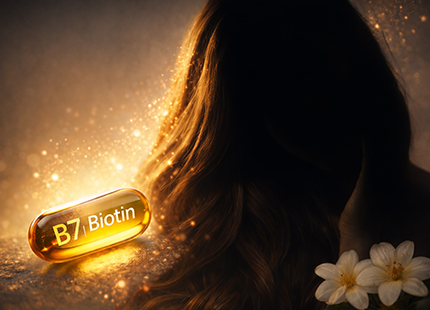
1. Biotin (Vitamin B7)
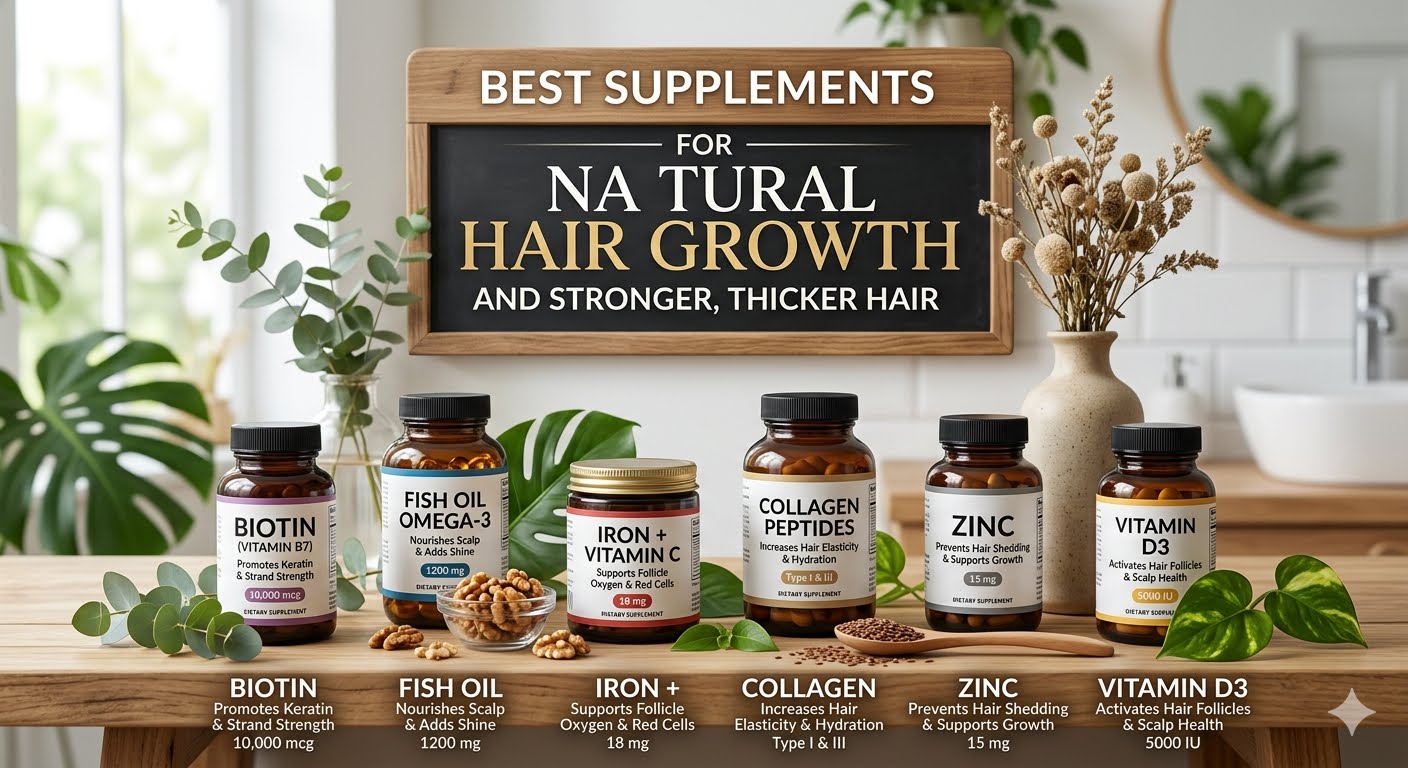
Biotin is one of the most well-known nutrients for hair health. It supports keratin production, the primary protein that forms hair structure. Adequate biotin intake may help reduce breakage, improve hair thickness, and strengthen weak strands.
2. Collagen
Collagen is a structural protein that provides amino acids essential for hair production. It supports skin elasticity, scalp health, and follicle strength. As natural collagen levels decline with age, supplementation may help maintain healthier, more resilient hair growth.
3. Vitamin D
Vitamin D plays a key role in activating hair follicles and regulating the hair growth cycle. Low vitamin D levels have been associated with hair thinning and increased shedding. Supplementation may support follicle stimulation and new hair formation.
4. Iron
Iron deficiency is one of the leading causes of hair loss, especially in women. Iron helps red blood cells deliver oxygen to hair follicles, which is essential for growth and repair. Without sufficient iron, hair may become weak and shed excessively.
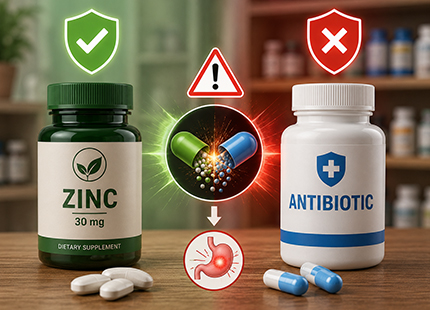
5. Zinc
Zinc supports tissue repair, oil gland regulation, and follicle function. It also helps maintain a healthy scalp environment. A zinc deficiency can contribute to hair thinning and slow regrowth.
6. Omega-3 Fatty Acids
Omega-3s help reduce inflammation in the scalp and support healthy hair follicles. They also improve scalp hydration, which contributes to shinier, stronger, and less brittle hair.
View Omega-3 Supplements
Fish Oil Options
Flaxseed Oil Options
7. Saw Palmetto
Saw palmetto is a plant-based extract commonly used to support hormonal balance. It may help block DHT (dihydrotestosterone), a hormone linked to follicle shrinkage and pattern hair loss in both men and women.
8. Vitamin E
Vitamin E is a powerful antioxidant that protects hair follicles from oxidative stress. It also improves scalp circulation, which supports better nutrient delivery to the roots.
How Hair Growth Supplements Work
Hair growth supplements work internally by addressing nutrient gaps that affect follicle function. Instead of only treating symptoms, they support the biological processes behind hair production.
Key mechanisms include:
- Improving blood circulation to the scalp
- Strengthening keratin structure
- Supporting hormone balance
- Reducing inflammation
- Extending the active growth phase of hair
With consistent use, supplements may help reduce shedding and improve overall hair density over time.
Who Should Take Hair Growth Supplements?
Hair growth supplements may be beneficial for individuals experiencing:
- Noticeable hair thinning
- Excessive daily shedding
- Postpartum hair loss
- Stress-related hair fall
- Nutritional deficiencies
- Weak, brittle, or slow-growing hair
They are especially useful for individuals who may not get enough nutrients through diet alone.
How Long Do Hair Supplements Take to Work?
Hair growth is a slow biological process, so results from supplements require patience and consistency. On average, most individuals begin to notice visible improvements within 8 to 12 weeks of regular use. These improvements may include reduced shedding, stronger strands, and improved hair texture.
However, full results often take 3 to 6 months, depending on the severity of hair loss, underlying causes, and overall lifestyle. Since hair grows in cycles, supplements need time to influence follicles through multiple growth phases.
Consistency is essential, as irregular use may delay or reduce effectiveness. Combining supplements with a healthy diet and proper hair care routine significantly improves outcomes.
Best Practices to Maximize Hair Growth Results
To achieve the best results from hair growth supplements, they should be combined with a supportive lifestyle. A balanced diet rich in protein, healthy fats, and micronutrients enhances supplement effectiveness. Staying hydrated is also essential for maintaining scalp moisture and follicle function.
Reducing heat styling, avoiding harsh chemical treatments, and minimizing tight hairstyles can prevent unnecessary stress on hair strands. Regular scalp care, including gentle massage, can help stimulate blood flow and nutrient delivery to follicles.
Stress management techniques such as exercise, meditation, or proper sleep also play a key role in maintaining healthy hair growth cycles. Supplements work best when the body is in a balanced, low-stress state that supports natural regeneration.
Safety, Side Effects, and Recommended Usage
Most hair growth supplements are safe when taken according to recommended dosages. However, excessive intake of certain nutrients such as iron, vitamin A, or zinc can lead to side effects, including nausea or digestive discomfort.
It is important to follow product instructions carefully and avoid combining multiple high-dose supplements without professional advice. Individuals with medical conditions, pregnant women, or those taking medication should consult a healthcare provider before starting supplementation.
When used correctly, hair supplements are generally well tolerated and provide a safe nutritional approach to supporting long-term hair health and reducing hair loss progression.
FAQ
1. Can hair supplements stop hair loss completely?
Hair supplements can help reduce hair shedding and support regrowth, especially when hair loss is linked to nutrient deficiencies. However, they may not fully stop genetic or hormone-related hair loss on their own.
2. Are hair growth supplements safe to use daily?
Yes, most hair growth supplements are safe for daily use when taken at the recommended dosage. It is important to avoid overuse of certain vitamins like iron or vitamin A, and consult a healthcare professional if needed.
3. Do I need supplements if I eat a healthy diet?
If your diet is already rich in essential nutrients, you may not need supplements. However, many people still benefit from them due to stress, lifestyle factors, or hidden nutrient deficiencies that affect hair health.
4. Can men and women both use hair growth supplements?
Yes, most hair growth supplements are suitable for both men and women. Some formulas may be specifically designed for hormonal hair loss patterns in each gender.
Conclusion
Hair loss can be emotionally and physically challenging, but it is often manageable with the right nutritional support. Supplements such as biotin, collagen, vitamin D, iron, zinc, and omega-3 fatty acids provide essential building blocks for healthy hair growth.
While no supplement offers instant results, consistent use combined with a balanced lifestyle can significantly improve hair strength, reduce shedding, and support long-term follicle health.
Ultimately, a well-nourished body is the foundation of healthy, strong, and vibrant hair.