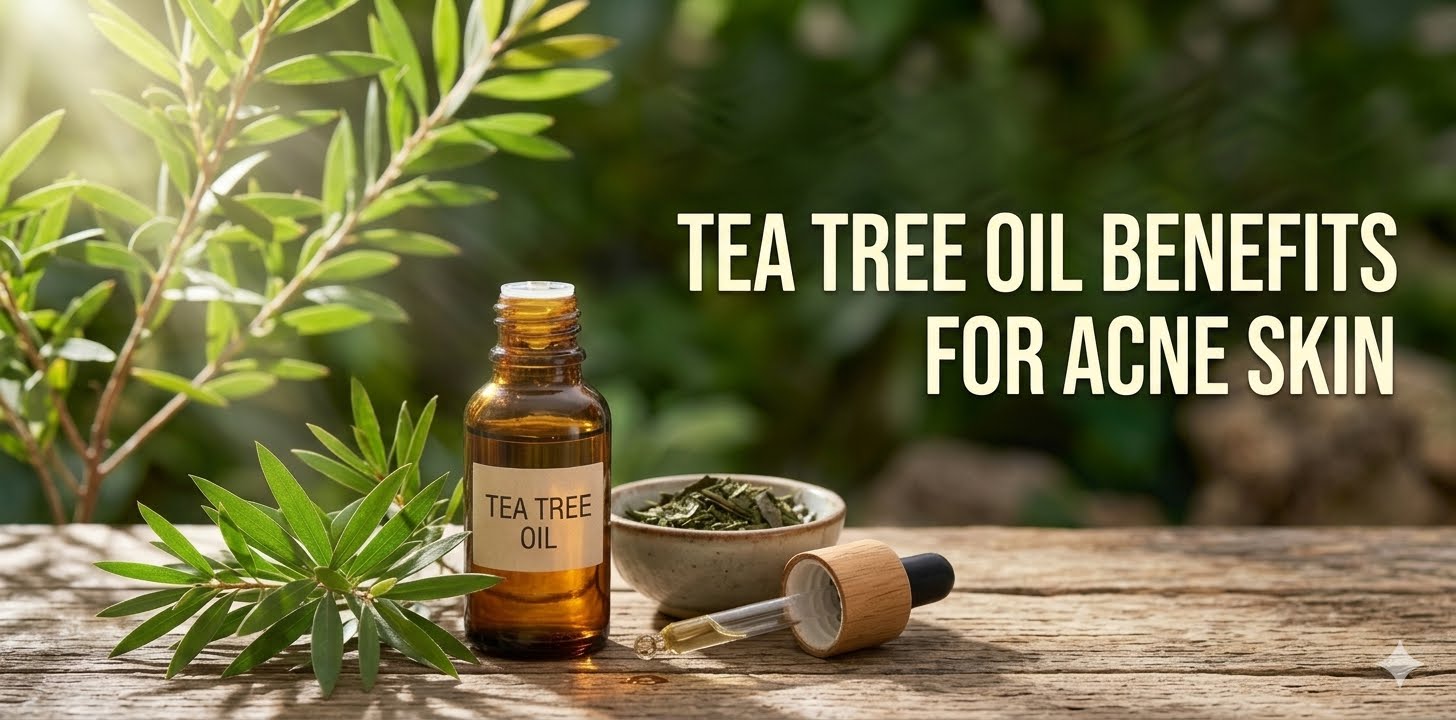


Tea tree oil has become one of the most trusted natural ingredients in modern skincare, especially for acne-prone and sensitive skin types. Derived from the leaves of the Melaleuca alternifolia plant, this essential oil is widely valued for its strong antibacterial, antifungal, and anti-inflammatory properties. For decades, it has been used in traditional medicine to treat skin infections, wounds, and irritations.
Today, tea tree oil is a popular natural alternative to chemical-based acne treatments. It works by targeting acne-causing bacteria, reducing inflammation, and helping the skin heal more effectively without excessive dryness or irritation. With growing demand for clean beauty solutions, tea tree oil has become a key ingredient in many skincare routines focused on clarity, balance, and skin purification.
This article explores the science-backed benefits of tea tree oil for acne, how it works, safe usage methods, and how it can be integrated into a daily skincare routine for clearer and healthier skin.
Table of Contents
- What Is Tea Tree Oil? Understanding Its Skin Benefits
- How Tea Tree Oil Works on Acne-Causing Bacteria
- Key Benefits of Tea Tree Oil for Acne-Prone Skin
- Tea Tree Oil vs Traditional Acne Treatments
- How to Use Tea Tree Oil Safely for Acne
- Best Ways to Apply Tea Tree Oil on Skin
- Side Effects and Precautions You Should Know
- Who Should Use Tea Tree Oil for Acne?
- Natural Skincare Routine with Tea Tree Oil
- Tea Tree Oil Products: What to Look For
- FAQ
- Conclusion
What Is Tea Tree Oil? Understanding Its Skin Benefits
Tea tree oil is an essential oil extracted through steam distillation from the leaves of the Australian native plant Melaleuca alternifolia. It is widely recognized for its high concentration of bioactive compounds, especially terpinen-4-ol, which is responsible for most of its strong antimicrobial and skin-purifying effects.
In modern skincare, tea tree oil is valued as a natural active ingredient that supports clearer, healthier skin by helping to target acne triggers while maintaining overall skin balance.
In skincare, tea tree oil is commonly used for:
- Fighting acne-causing bacteria
- Reducing skin inflammation and redness
- Supporting natural wound healing
- Helping control excess oil production
- Improving overall skin clarity and texture
Because of these properties, tea tree oil is frequently included in cleansers, serums, toners, and targeted spot treatments designed specifically for acne-prone skin types.
How Tea Tree Oil Works on Acne-Causing Bacteria
Acne develops when pores become clogged with excess oil (sebum), dead skin cells, and bacteria. One of the key bacteria involved in acne formation is Cutibacterium acnes (C. acnes), which thrives in blocked pores.
Tea tree oil works through multiple skin-supporting actions that help address the root causes of acne:
Antibacterial action: It helps reduce acne-causing bacteria on the skin surface, limiting the infection process that leads to pimples.
Anti-inflammatory effect: It helps calm redness, swelling, and irritation, making breakouts appear less severe and more manageable.
Sebum regulation: It may assist in balancing oil production, especially in oily and combination skin types, helping reduce clogged pores.
Pore purification: It supports cleaner pores by reducing buildup, which may help prevent future breakouts from forming.
Because of this multi-targeted action, tea tree oil is often considered a natural option for managing mild to moderate acne without relying heavily on harsh chemical treatments.
Key Benefits of Tea Tree Oil for Acne-Prone Skin
1. Reduces Active Breakouts
Tea tree oil helps reduce the size and severity of pimples by targeting both bacteria and inflammation. With consistent use, it can help speed up the drying and healing process of active acne lesions.
2. Soothes Redness and Irritation
Its natural anti-inflammatory properties help calm irritated skin, reducing visible redness and discomfort commonly associated with acne flare-ups.
3. Helps Prevent Future Acne
Regular use may help keep pores cleaner and reduce excess oil buildup, which can lower the likelihood of new breakouts forming over time.
4. Supports Skin Healing
Tea tree oil encourages faster recovery of affected skin areas, helping improve overall skin texture and promoting a smoother, more even complexion.
5. Natural Alternative to Harsh Chemicals
It offers a gentler, plant-based option for individuals who prefer avoiding strong synthetic acne treatments that may cause dryness, peeling, or irritation.
Tea Tree Oil vs Traditional Acne Treatments
Traditional acne treatments such as benzoyl peroxide and salicylic acid are widely used and clinically proven to be highly effective in reducing acne. However, these treatments may sometimes cause unwanted side effects, especially for individuals with sensitive or dry skin.
Common side effects of traditional acne treatments can include dryness, peeling, redness, and skin irritation. This is mainly due to their strong exfoliating and antibacterial action, which can disrupt the skin barrier when overused or applied in high concentrations.
Tea tree oil offers a different approach to acne management:
- A more natural, plant-based alternative for acne care
- Fewer reported side effects when properly diluted and used correctly
- Gentle antibacterial properties suitable for sensitive and combination skin types
- Support for calming inflammation while helping reduce bacteria
However, it is important to understand that tea tree oil is not a direct replacement for medical-grade acne treatments. It may work more slowly compared to benzoyl peroxide or salicylic acid, especially in cases of severe or cystic acne where stronger dermatological intervention is often required.
How to Use Tea Tree Oil Safely for Acne
Tea tree oil is highly concentrated and must always be diluted before applying to the skin. Direct application can lead to irritation or sensitivity reactions.
Safe usage guidelines include:
- Always dilute with a carrier oil such as jojoba, almond, or coconut oil
- Maintain a recommended concentration of 2–5% for facial use
- Perform a patch test before first application to check skin tolerance
- Apply only on affected areas unless the product is specifically formulated for full-face use
Consistent and careful use helps maximize benefits while minimizing the risk of irritation.
Best Ways to Apply Tea Tree Oil on Skin
1. Spot Treatment
Apply a small amount of diluted tea tree oil directly onto individual pimples using a cotton swab. This helps target active breakouts without affecting surrounding skin.
2. Face Serum Mix
Mix a few drops of tea tree oil with a carrier oil such as jojoba or almond oil. Apply lightly to acne-prone areas to help support overall skin balance and reduce breakouts.
3. Cleanser Boost
Add a small amount of diluted tea tree oil to your daily facial cleanser. This enhances its antibacterial effect and helps maintain clearer pores.
4. Clay Mask Blend
Combine tea tree oil with bentonite or kaolin clay to create a deep-cleansing mask. Use once or twice a week to help absorb excess oil and purify pores.
Side Effects and Precautions You Should Know
Although tea tree oil is widely considered safe for topical use, improper application or excessive concentration may lead to unwanted skin reactions in some individuals.
Possible side effects include:
- Skin irritation or redness
- Dryness or mild peeling
- Allergic reactions in sensitive skin types
These reactions are more likely to occur when tea tree oil is used undiluted or in high concentrations.
Important precautions to follow:
- Never ingest tea tree oil, as it is toxic when swallowed
- Avoid applying on broken, open, or severely inflamed skin
- Discontinue use immediately if irritation or discomfort occurs
- Keep away from eyes, lips, and other sensitive mucous membranes
Proper dilution and responsible use are essential to ensure safe and effective results.
Who Should Use Tea Tree Oil for Acne?
Tea tree oil is best suited for individuals with oily, combination, or acne-prone skin who are looking for a natural approach to managing breakouts.
It is especially beneficial for:
- People with mild to moderate acne
- Individuals with oily or combination skin types
- Those seeking natural, plant-based skincare solutions
- Users sensitive to harsh chemical acne treatments
However, tea tree oil may not be sufficient as a standalone treatment for severe cystic acne, which often requires professional dermatological care and medical-grade treatments.
Natural Skincare Routine with Tea Tree Oil
A consistent skincare routine is key to achieving visible improvements in acne-prone skin when using tea tree oil.
Suggested routine:
- Morning: Gentle cleanser + lightweight moisturizer + sunscreen
- Evening: Tea tree oil-based cleanser or diluted treatment + hydrating serum
- Weekly: Clay mask with tea tree oil (1–2 times per week)
Consistency, patience, and proper application are essential for long-term skin clarity and balance.
Tea Tree Oil Products: What to Look For
Choosing the right tea tree oil skincare products is important to ensure safety, effectiveness, and skin compatibility.
When selecting products, look for:
- 100% pure or high-quality tea tree oil extract
- Dermatologically tested formulations
- Alcohol-free and non-comedogenic products
- Balanced concentrations suitable for facial use
Explore tea tree oil skincare options here:
Tea Tree Oil Skincare Products
FAQ
1. Is tea tree oil effective for acne?
Yes, it helps reduce acne-causing bacteria and inflammation, making it effective for mild to moderate acne.
2. Can tea tree oil remove acne scars?
It may help reduce redness and support healing, but it does not remove deep acne scars.
3. How long does it take to work?
Visible improvement is usually seen within 2–4 weeks of consistent use.
4. Can I apply tea tree oil directly on my face?
No, it should always be diluted with a carrier oil to avoid irritation.
Conclusion
Tea tree oil is a powerful natural skincare ingredient that offers antibacterial, anti-inflammatory, and soothing benefits for acne-prone skin. It helps reduce breakouts, calm irritation, and support clearer skin when used correctly and consistently.
While it may not replace medical treatments for severe acne, it remains a highly effective natural option for managing mild to moderate breakouts and improving overall skin health.
When incorporated into a balanced skincare routine with proper dilution and regular use, tea tree oil can contribute to healthier, calmer, and more radiant-looking skin over time.