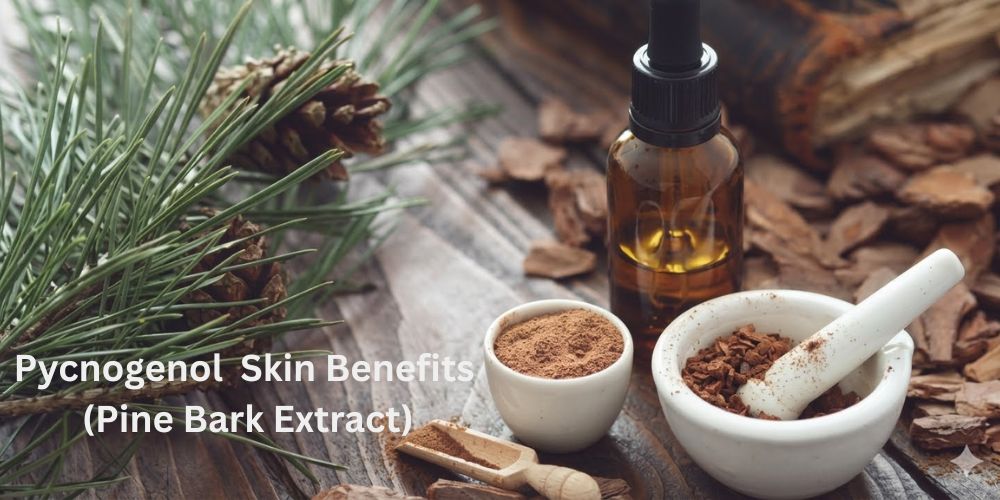


Healthy-looking skin is influenced by much more than a skincare routine. Nutrition, hydration, sleep, sun exposure, lifestyle habits, and the body's natural aging process can all affect the appearance and condition of the skin. As interest in nutricosmetics and beauty-from-within supplements continues to grow, antioxidant ingredients such as Pycnogenol have attracted attention for their potential role in supporting skin health.
Pycnogenol is a standardized extract derived from the bark of the French maritime pine tree (Pinus pinaster). It contains a mixture of naturally occurring plant compounds, including procyanidins and other polyphenols with antioxidant properties. These compounds have been studied for their potential effects on oxidative stress and several processes involved in maintaining healthy skin.
Table of Contents
- What Is Pycnogenol?
- How Does Pycnogenol Support Skin Health?
- 1. Provides Antioxidant Protection for Skin
- 2. Supports Collagen and Skin Structure
- 3. May Help Support Skin Elasticity
- 4. Supports Skin Hydration and Overall Skin Quality
- 5. Helps Protect Skin From Oxidative Stress
- Pycnogenol for Skin Aging: What Does the Research Say?
- How to Take Pycnogenol for Skin Care
- Is Pycnogenol Safe for Everyone?
- Recommended Skin Health Supplements
- FAQ
- Conclusion
What Is Pycnogenol?
Pycnogenol is a branded, standardized plant extract obtained from the bark of the French maritime pine tree. It is rich in naturally occurring polyphenolic compounds, particularly procyanidins, which are known for their antioxidant activity. Unlike conventional topical skincare ingredients, Pycnogenol is taken orally and has therefore become an ingredient of interest in the growing field of nutritional support for skin health.
The skin is continuously exposed to environmental factors such as ultraviolet (UV) radiation, air pollution, and other sources of oxidative stress. Antioxidant compounds may help the body manage oxidative processes by interacting with free radicals and supporting normal cellular protection mechanisms.
Pycnogenol has been investigated in several areas of health, including vascular function and inflammatory processes, but its potential role in skin health and skin aging has received particular attention. Studies have explored whether supplementation may support characteristics such as skin hydration, elasticity, and overall appearance.
It is important to distinguish between supporting healthy skin and treating a specific dermatological condition. Pycnogenol is a nutritional supplement and should not be considered a cure for acne, eczema, hyperpigmentation, wrinkles, or other skin disorders. Anyone experiencing persistent or concerning skin changes should seek advice from an appropriate healthcare professional.
How Does Pycnogenol Support Skin Health?
Pycnogenol's potential skin benefits are primarily associated with its rich concentration of polyphenols and antioxidant compounds. These compounds may interact with biological pathways involved in oxidative stress, inflammation, and the maintenance of connective tissue.
Collagen and elastin are important structural proteins that contribute to the skin's firmness, strength, and elasticity. Their production and organization naturally change with age, while external factors such as UV exposure can also contribute to changes in skin structure. Research into Pycnogenol has therefore examined whether its plant compounds may support some of the biological processes involved in maintaining healthy skin.
Another area of interest is skin hydration. Healthy skin requires an appropriate balance of water and lipids within the skin barrier. Although drinking enough water and using appropriate topical moisturizers remain fundamental, nutritional factors can also contribute to overall skin wellness.
Overall, Pycnogenol may be best viewed as a complementary nutritional ingredient for skin health. Its potential benefits should be considered alongside sun protection, a nutrient-rich diet, adequate hydration, regular sleep, and a consistent skincare routine.
1. Provides Antioxidant Protection for Skin
One of the most notable characteristics of Pycnogenol is its high concentration of antioxidant plant compounds. Antioxidants are important because the body naturally produces free radicals during normal metabolic processes, while environmental factors such as UV radiation and pollution can increase oxidative stress.
Excessive oxidative stress can affect cells and contribute to processes associated with skin aging. Pycnogenol contains polyphenols that may help support the body's natural antioxidant defenses and maintain a healthy response to oxidative challenges.
For skin care, this antioxidant potential is particularly interesting because protecting the skin from environmental stressors is an important part of maintaining a healthy, youthful-looking appearance. However, oral antioxidant supplements should not replace topical sunscreen. Daily broad-spectrum sun protection remains one of the most important steps for protecting skin from UV-related damage.
A diet rich in fruits, vegetables, nuts, seeds, and other plant foods can also provide a wide range of naturally occurring antioxidants. Pycnogenol may complement this nutritional approach rather than serving as a substitute for a varied diet.
2. Supports Collagen and Skin Structure
Collagen is one of the most important structural proteins in the skin. It helps provide firmness, strength, and structure, while other components of the extracellular matrix contribute to the skin's overall resilience and appearance. As part of the natural aging process, collagen production and skin remodeling can change, which may contribute to the gradual development of fine lines, reduced firmness, and other visible signs of skin aging.
Pycnogenol has attracted interest in skin care because its polyphenolic compounds have been studied for their potential relationship with collagen-related processes and oxidative stress. By supporting the body's natural antioxidant defenses, Pycnogenol may help create a nutritional environment that supports normal skin structure and cellular function.
Some research has investigated whether oral Pycnogenol supplementation may influence markers associated with skin health, including collagen-related processes. However, results from individual studies should be interpreted carefully, and supplementation should not be presented as a replacement for established skincare practices or medical treatments.
For people interested in maintaining healthy-looking skin as they age, adequate protein intake, vitamin C-rich foods, healthy fats, hydration, and consistent sun protection remain important foundations. Pycnogenol may be considered an additional nutritional option within this broader approach.
3. May Help Support Skin Elasticity
Skin elasticity refers to the skin's ability to stretch and return toward its original shape. It is influenced by structural proteins such as collagen and elastin, as well as hydration, connective tissue health, age, genetics, and environmental exposure.
Because Pycnogenol contains antioxidant-rich plant compounds, researchers have explored its potential role in supporting skin elasticity and overall skin quality. Some studies have reported improvements in selected measures of skin elasticity or related characteristics following supplementation, although the available evidence is not sufficient to guarantee the same results for everyone.
Maintaining skin elasticity is a long-term process rather than something that depends on a single supplement. Excessive sun exposure, smoking, inadequate nutrition, and other lifestyle factors can contribute to changes in skin structure over time. A comprehensive skin-health routine should therefore include regular sun protection, balanced nutrition, adequate sleep, and appropriate skincare.
Pycnogenol may complement these habits by providing a concentrated source of naturally occurring polyphenols. Its potential contribution is best considered as part of an overall strategy for supporting healthy, resilient-looking skin.
4. Supports Skin Hydration and Overall Skin Quality
Skin hydration is an important component of a healthy skin barrier and can significantly influence the appearance and feel of the skin. Well-hydrated skin generally appears smoother and more supple, while reduced hydration may contribute to dryness, roughness, and the more noticeable appearance of fine lines.
Research involving Pycnogenol has explored its potential relationship with skin hydration and other measures of skin quality. Some findings suggest that oral supplementation may support skin moisture levels and contribute to improvements in selected characteristics of skin appearance. However, research remains limited, and individual outcomes can vary depending on factors such as age, diet, lifestyle, and baseline skin condition.
Good hydration should not be approached through supplements alone. Drinking adequate fluids, consuming water-rich foods, maintaining a healthy skin barrier, and using a suitable moisturizer are practical ways to support skin hydration. A diet containing essential fatty acids, vitamins, minerals, and antioxidants can also contribute to overall skin wellness.
5. Helps Protect Skin From Oxidative Stress
Oxidative stress occurs when the production of reactive molecules exceeds the body's ability to manage them effectively. The skin is particularly exposed to environmental sources of oxidative stress, including ultraviolet radiation, air pollution, and other external factors.
Pycnogenol contains a variety of polyphenolic compounds with antioxidant activity. These compounds have been studied for their ability to support the body's natural defenses against oxidative processes. This is one reason Pycnogenol has become a popular ingredient in supplements designed to support skin health from within.
Antioxidant support may be particularly relevant to healthy aging because oxidative stress is one of several factors involved in changes to skin cells and connective tissue. Nevertheless, antioxidant supplementation should complement—not replace—basic protective measures such as limiting excessive sun exposure and using broad-spectrum sunscreen.
Pycnogenol for Skin Aging: What Does the Research Say?
Scientific interest in Pycnogenol for skin health has increased as researchers have investigated its potential effects on hydration, elasticity, oxidative stress, and other characteristics associated with healthy-looking skin. Some small clinical studies have reported encouraging findings, particularly in measures such as skin moisture and elasticity.
However, the evidence base is still developing. Studies can differ in their sample sizes, duration, Pycnogenol dosage, and methods used to evaluate skin outcomes. This makes it difficult to determine a universal dose or predict exactly how much benefit an individual person will experience.
Overall, Pycnogenol may be a promising nutritional ingredient for people interested in supporting skin health and healthy aging, but it should be viewed realistically. A balanced diet, daily sun protection, good hydration, healthy lifestyle habits, and a consistent skincare routine remain the foundation of long-term skin care.
How to Take Pycnogenol for Skin Care
Pycnogenol supplements are available in different formulations, most commonly as capsules or tablets. The appropriate amount can vary depending on the product, its standardized extract, and the intended use. For skin health, there is no single universal dosage that is appropriate for everyone.
When choosing a Pycnogenol supplement, check the amount per serving, standardized extract information, additional ingredients, and manufacturer's usage instructions. Follow the recommended serving on the product label rather than assuming that taking a higher amount will provide greater skin benefits.
Consistency may be important when a supplement is used as part of a longer-term nutritional approach to skin wellness. However, visible changes in skin appearance naturally take time and can also be influenced by age, genetics, diet, sun exposure, hydration, and skincare habits.
Pycnogenol should be considered a complement to—not a replacement for—basic skin-care practices. A nutrient-rich diet, adequate fluid intake, regular sleep, and daily broad-spectrum sunscreen remain important for maintaining healthy-looking skin. If you are considering Pycnogenol for a specific skin condition, speak with a dermatologist or qualified healthcare professional before relying on supplementation.
Is Pycnogenol Safe for Everyone?
Pycnogenol is generally well tolerated by many people when used according to recommended instructions. However, dietary supplements can produce unwanted effects in some individuals. Possible reactions may include digestive discomfort, nausea, headache, or dizziness, although individual responses can vary.
Because Pycnogenol may have biological effects beyond general antioxidant support, people taking prescription medications should consider discussing supplementation with a healthcare professional. This is particularly important for individuals taking medicines that affect blood clotting, blood pressure, or blood sugar.
Pregnant or breastfeeding women should seek professional advice before using Pycnogenol supplements. There is not enough evidence to assume that concentrated supplements are appropriate for every stage of pregnancy or breastfeeding.
It is also important to follow the product's recommended serving and avoid combining several antioxidant or skin-health supplements without checking their ingredients. Taking multiple products with overlapping nutrients or botanical extracts may unnecessarily increase total intake.
Pycnogenol should not be used as a substitute for medical treatment. Persistent rashes, severe acne, unexplained skin changes, swelling, or other concerning symptoms should be evaluated by an appropriate healthcare professional.
Recommended Skin Health Supplements
Explore skin-health supplements designed to complement a balanced diet and support a comprehensive approach to healthy-looking skin. Pycnogenol supplements can provide a concentrated source of naturally occurring pine bark polyphenols and may be considered by people interested in antioxidant and skin-wellness support.
- Pycnogenol Supplements
Ideal for: Adults interested in adding a standardized pine bark extract to their nutritional routine as part of an antioxidant and skin-health approach.
Tip: Before choosing a Pycnogenol product, check the extract amount, serving size, ingredients, usage instructions, and precautions. If you are pregnant or breastfeeding, have an ongoing medical condition, or take prescription medication, consult a healthcare professional before starting supplementation.
FAQ
1. What is Pycnogenol used for in skin care?
Pycnogenol is a standardized French maritime pine bark extract rich in polyphenolic compounds. It has been studied for potential antioxidant support and its possible effects on skin characteristics such as hydration, elasticity, and overall skin quality.
2. Can Pycnogenol help with skin aging?
Some research suggests that Pycnogenol may support characteristics associated with healthy skin aging, including hydration and elasticity. However, evidence is still developing, and it should not be considered a guaranteed anti-aging treatment.
3. Does Pycnogenol support collagen?
Pycnogenol has been investigated for its potential relationship with collagen-related processes and skin structure. Its antioxidant and polyphenol content may contribute to overall skin support, but it should not be considered a replacement for the body's natural collagen production or a complete collagen supplement.
4. Can I take Pycnogenol every day?
Many people can use Pycnogenol regularly when following the manufacturer's recommended serving. The appropriate amount depends on the specific product and individual needs. People taking medication or managing a health condition should seek professional advice before regular use.
Conclusion
Pycnogenol is a standardized French maritime pine bark extract that has attracted attention as a nutritional ingredient for skin health and healthy aging. Its naturally occurring polyphenols provide antioxidant properties, while research has explored its potential relationship with skin hydration, elasticity, collagen-related processes, and overall skin quality.
Although some research findings are encouraging, Pycnogenol should not be viewed as a miracle solution for wrinkles or other signs of aging. The strongest foundation for healthy-looking skin remains a combination of balanced nutrition, adequate hydration, regular sleep, healthy lifestyle habits, appropriate skincare, and consistent protection from UV exposure.