

Glycogen is the main stored form of carbohydrate inside muscles, and it acts as a key energy reserve during intense training, endurance exercise, and competition.
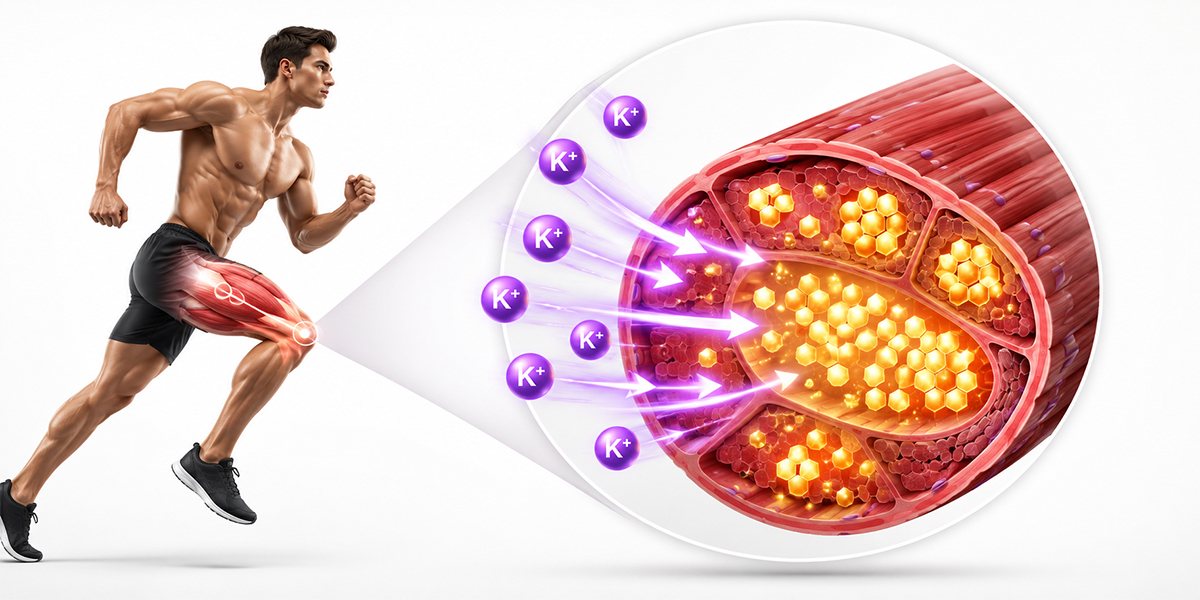
For athletes, maintaining healthy glycogen stores is essential for performance, stamina, recovery, and delaying fatigue. Potassium plays an important role in this process by supporting muscle cell function, glucose uptake, fluid balance, and post-exercise recovery.
Table of Contents
What Is Muscle Glycogen?
Glycogen is the stored form of glucose inside muscles and the liver. During exercise, especially high-intensity or prolonged activity, muscles break down glycogen to produce energy.
The more efficiently muscles store and use glycogen, the better they can sustain performance during training sessions, competitions, and repeated efforts.
Athletes who train frequently need proper carbohydrate intake, hydration, electrolytes, and recovery strategies to help restore glycogen after exercise.
The Relationship Between Potassium and Muscle Function
Potassium is an essential electrolyte that helps maintain the electrical balance inside and outside muscle cells.
This balance is necessary for normal muscle contraction, relaxation, nerve signaling, and cellular hydration. When potassium levels are adequate, muscle cells can function more efficiently during training and recovery.
A healthy potassium balance also helps create a suitable environment for glucose to enter muscle cells and be stored as glycogen.
- Supports normal muscle contraction.
- Helps maintain electrical balance in muscle cells.
- Supports nerve signaling and muscle coordination.
- Contributes to cellular hydration and fluid balance.
- Creates a better environment for glucose storage as glycogen.
Potassium’s Role in Glucose Uptake
Glucose must move from the bloodstream into muscle cells before it can be stored as glycogen.
Potassium may support this process by helping maintain insulin responsiveness and cellular function in muscle tissue. When muscle cells respond well to insulin, glucose transport into the cells becomes more efficient.
Improved glucose uptake can help athletes replenish glycogen stores more effectively, especially after training when muscles are more receptive to carbohydrate storage.
| Process | Role of Potassium | Athletic Benefit |
|---|---|---|
| Muscle Cell Balance | Supports electrical and fluid balance | Better contraction and relaxation |
| Glucose Uptake | Supports insulin responsiveness | More efficient carbohydrate storage |
| Glycogen Storage | Helps create a favorable cellular environment | Improved energy availability |
| Recovery | Supports fluid restoration and mineral balance | Better post-workout recovery |
The Impact of Potassium Deficiency on Glycogen Stores
Low potassium levels may negatively affect muscle function, hydration, and energy availability.
When potassium is insufficient, muscle cells may not respond as efficiently to insulin, which can reduce glucose uptake and make glycogen storage less effective.
For athletes, this may lead to lower exercise energy, earlier fatigue, muscle weakness, cramps, reduced endurance, or slower recovery after intense sessions.
| Low Potassium Effect | Possible Result | Impact on Athletes |
|---|---|---|
| Reduced Muscle Efficiency | Weaker contraction and relaxation | Lower training quality |
| Poorer Glucose Uptake | Less efficient glycogen storage | Reduced energy reserves |
| Fluid Imbalance | Dehydration risk or cramping | Early fatigue during exercise |
| Slower Recovery | Delayed replenishment after training | Reduced readiness for the next session |
Potassium and Post-Exercise Recovery
After exercise, the body needs to restore glycogen, fluids, and electrolytes to prepare for the next training session.
Potassium helps during this recovery phase by supporting glucose uptake into muscle cells and helping restore fluid balance inside cells.
For best glycogen recovery, potassium should be combined with adequate carbohydrates, sodium, water, protein, and overall nutrition.
- Supports glucose movement into muscle cells.
- Helps restore intracellular fluid balance.
- Works with carbohydrates to replenish glycogen.
- Supports recovery after sweat and electrolyte loss.
- May help reduce fatigue when combined with proper nutrition.
Potassium Requirements for Athletes
Athletes may have increased potassium needs because intense or prolonged exercise can increase mineral losses through sweat.
Potassium-rich foods such as bananas, potatoes, sweet potatoes, spinach, avocado, beans, lentils, yogurt, coconut water, and dried fruits can help support daily intake.
Most athletes should focus first on food-based potassium intake. Supplementation should be used carefully, especially for people with kidney disease, blood pressure conditions, or those using medications that affect potassium levels.
| Potassium Source | Examples | Why It Helps Athletes |
|---|---|---|
| Fruits | Banana, orange, dried apricots | Quick carbohydrates plus potassium |
| Starchy Foods | Potatoes, sweet potatoes | Carbohydrates for glycogen plus potassium |
| Vegetables | Spinach, leafy greens, beet greens | Minerals, antioxidants, and hydration support |
| Legumes and Dairy | Beans, lentils, yogurt | Protein, minerals, and recovery support |
Frequently Asked Questions
How does potassium help glycogen storage?
Potassium supports muscle cell balance, insulin responsiveness, and glucose uptake, all of which can help muscles store glucose as glycogen more efficiently.
Can low potassium reduce athletic performance?
Yes. Low potassium may contribute to weakness, cramps, early fatigue, reduced muscle efficiency, and poorer recovery in some athletes.
Should athletes take potassium supplements?
Not always. Most athletes should focus on potassium-rich foods first. Supplements should be used carefully and preferably under professional guidance when needed.
What foods support both potassium and glycogen recovery?
Potatoes, sweet potatoes, bananas, beans, lentils, yogurt, and fruits can support potassium intake and provide nutrients useful for recovery.
Is potassium enough to restore glycogen after exercise?
No. Potassium helps support the process, but glycogen recovery also requires adequate carbohydrates, hydration, sodium, protein, and total calorie intake.
Conclusion
Potassium plays an important role in glycogen storage within athletes’ muscles by supporting glucose uptake, cellular balance, muscle function, and post-exercise recovery.
Maintaining proper potassium balance may help improve energy availability, reduce early fatigue, support endurance, and enhance recovery after training. For best results, athletes should combine potassium-rich foods with adequate carbohydrates, hydration, electrolytes, protein, and a balanced sports nutrition plan.