

Nitric oxide (NO) is one of the body's most important signaling molecules, playing a central role in healthy blood circulation, cardiovascular function, exercise performance, and overall vascular health. Although the body naturally produces nitric oxide every day, factors such as aging, poor dietary habits, smoking, physical inactivity, and chronic stress can reduce its production over time. Supporting the body's natural nitric oxide levels through nutrition has therefore become an important strategy for maintaining long-term health.
Unlike vitamins or minerals, nitric oxide cannot be consumed directly because it is highly unstable and rapidly breaks down in the body. Instead, the body produces it from the amino acid L-arginine and through the dietary nitrate pathway, where naturally occurring nitrates found in vegetables are converted into nitrites and eventually nitric oxide. This makes certain foods especially valuable for supporting the body's normal nitric oxide production.
Research suggests that vegetables rich in dietary nitrates, together with foods containing antioxidants, vitamin C, polyphenols, and amino acids, may help maintain healthy nitric oxide levels. These nutrients work together to support blood vessel function, protect nitric oxide from oxidative damage, and promote efficient circulation. While nitric oxide-boosting foods are not intended to treat or prevent disease, they can contribute to heart health, healthy blood pressure, exercise endurance, and overall wellness when included as part of a balanced lifestyle.
Table of Contents
What Is Nitric Oxide?
Nitric oxide (NO) is a naturally produced molecule that acts as a messenger throughout the body. Its primary function is to relax and widen blood vessels, allowing blood to flow more efficiently and helping deliver oxygen and nutrients to organs, muscles, and tissues. This process supports healthy circulation, cardiovascular function, physical performance, and normal blood pressure.
The body produces nitric oxide through two main pathways. The first converts the amino acid L-arginine into nitric oxide with the help of specialized enzymes. The second relies on dietary nitrates obtained from vegetables such as beetroot, spinach, and arugula, which are converted into nitrites and then into nitric oxide. Because both pathways depend heavily on nutrition, consuming a diet rich in nitric oxide-supporting foods is one of the most effective natural ways to maintain healthy nitric oxide production.
Why Is Nitric Oxide Important?
Nitric oxide plays a vital role in many essential body functions beyond circulation. By helping blood vessels relax and expand, it supports efficient blood flow, allowing oxygen and nutrients to reach muscles, the brain, and other organs more effectively. Healthy nitric oxide production also contributes to cardiovascular wellness, physical performance, normal blood pressure, and healthy endothelial function—the thin lining of blood vessels that regulates vascular health.
Researchers have also found that nitric oxide supports exercise endurance by improving oxygen delivery to working muscles and may help reduce muscle fatigue during physical activity. In addition, adequate nitric oxide production contributes to healthy brain function, immune responses, and normal communication between cells. Since natural nitric oxide production gradually declines with age, consuming foods that support its production can become increasingly important for maintaining long-term health.
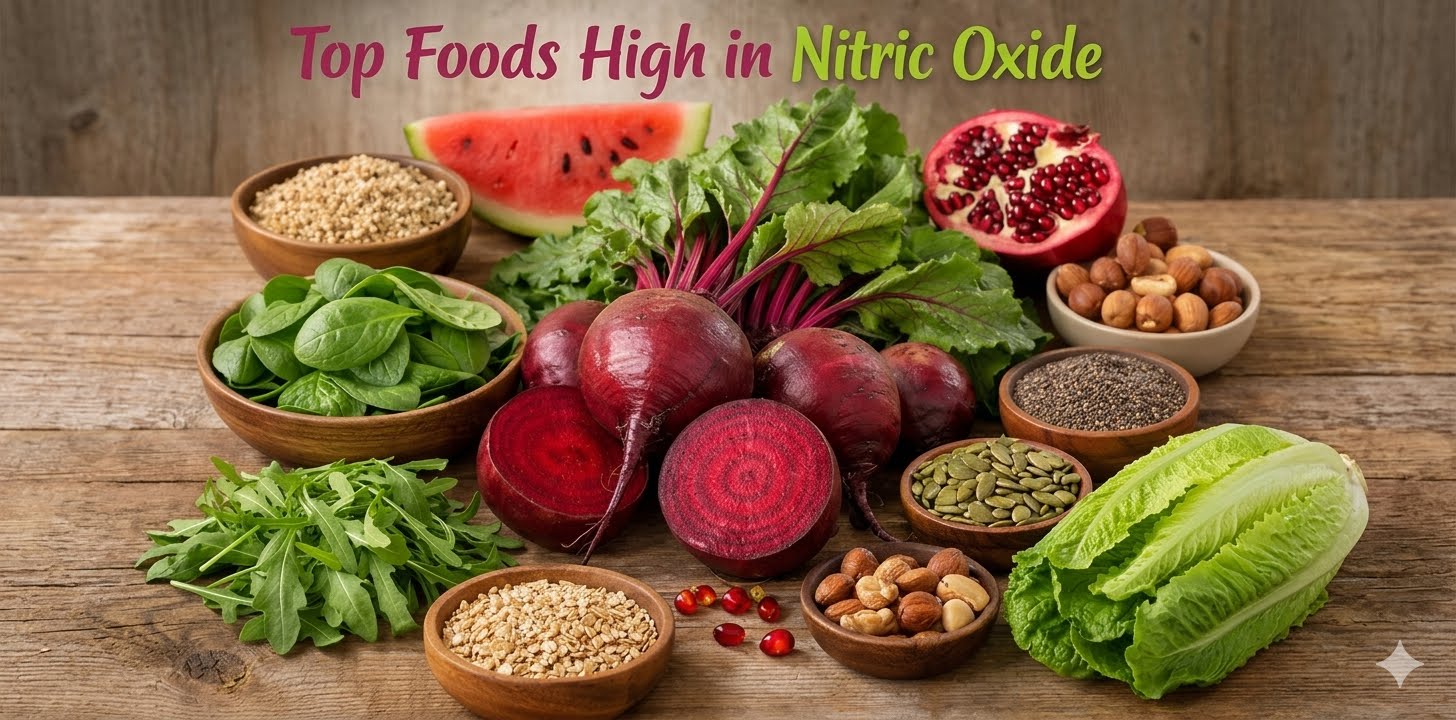
Top 5 Nitric Oxide Foods
1. Beetroot
Beetroot is one of the richest natural sources of dietary nitrates, making it one of the best-known foods for supporting nitric oxide production. After consumption, these nitrates are converted into nitric oxide, helping promote healthy blood flow and supporting cardiovascular function. Beetroot has also been widely studied for its potential to enhance exercise performance and endurance.
Potential benefits include:
- Supports natural nitric oxide production.
- Promotes healthy blood circulation.
- Supports exercise endurance and performance.
- Helps maintain cardiovascular health.
Best sources: Fresh beetroot, beetroot juice, roasted beets, and beetroot powder.
2. Spinach
Spinach is naturally rich in dietary nitrates, vitamin C, folate, and antioxidants that work together to support healthy nitric oxide levels. Vitamin C helps protect nitric oxide from oxidative breakdown, while nitrates provide the raw material needed for its production. Regular consumption of leafy greens is associated with better vascular function and overall heart health.
Potential benefits include:
- Provides natural dietary nitrates.
- Supports healthy blood vessel function.
- Offers antioxidant protection.
- Promotes overall cardiovascular wellness.
Best sources: Fresh spinach, steamed spinach, smoothies, salads, and cooked vegetable dishes.
3. Arugula (Rocket)
Arugula, also known as rocket, is one of the most nitrate-rich leafy vegetables available. Despite its light, peppery flavor, it contains higher concentrations of dietary nitrates than many other greens, making it an excellent choice for naturally supporting nitric oxide production. In addition to nitrates, arugula provides vitamin K, vitamin C, folate, and antioxidant compounds that contribute to overall cardiovascular health.
Potential benefits include:
- One of the richest natural sources of dietary nitrates.
- Supports healthy blood circulation.
- Promotes normal blood vessel function.
- Provides antioxidants that support heart health.
Best sources: Fresh salads, sandwiches, wraps, smoothies, and grain bowls.
4. Garlic
Garlic supports nitric oxide production through a different mechanism than nitrate-rich vegetables. It contains natural sulfur compounds, including allicin, which may help stimulate the enzymes responsible for nitric oxide synthesis while supporting healthy blood vessel function. Garlic has also been widely studied for its role in promoting cardiovascular wellness and maintaining healthy circulation.
Potential benefits include:
- Supports the body's natural nitric oxide production.
- Helps maintain healthy blood vessels.
- Promotes healthy circulation.
- Supports overall cardiovascular wellness.
Best sources: Fresh garlic, roasted garlic, minced garlic, and garlic powder used in cooking.
5. Citrus Fruits
Citrus fruits such as oranges, lemons, grapefruit, and limes are excellent sources of vitamin C, a nutrient that helps protect nitric oxide from being broken down by free radicals. By preserving nitric oxide availability, vitamin C supports healthy blood vessel function and complements nitrate-rich foods as part of a heart-healthy diet.
Potential benefits include:
- Provides vitamin C to help maintain nitric oxide availability.
- Supports antioxidant protection.
- Promotes healthy circulation.
- Contributes to cardiovascular and immune health.
Best sources: Oranges, lemons, grapefruit, mandarins, and freshly squeezed citrus juice.
How to Naturally Increase Nitric Oxide Levels
While eating nitrate-rich foods is one of the most effective ways to support healthy nitric oxide production, several everyday lifestyle habits can also help your body produce and maintain optimal nitric oxide levels. Combining proper nutrition with healthy daily routines may provide greater benefits for circulation, cardiovascular health, and physical performance.
Natural ways to support nitric oxide production include:
- Eat plenty of nitrate-rich vegetables such as beets, spinach, arugula, celery, and lettuce.
- Include foods rich in vitamin C, which helps stabilize nitric oxide and supports its activity in the body.
- Consume antioxidant-rich fruits such as berries, citrus fruits, and pomegranates to help reduce oxidative stress.
- Exercise regularly, especially aerobic and resistance training, which naturally stimulates nitric oxide production.
- Maintain healthy oral bacteria by avoiding excessive use of antibacterial mouthwash, as beneficial oral bacteria help convert dietary nitrates into nitric oxide.
- Stay hydrated to support healthy blood circulation.
- Avoid smoking, which can impair nitric oxide production and damage blood vessels.
- Follow a balanced diet rich in vegetables, fruits, whole grains, nuts, seeds, and healthy fats.
Healthy lifestyle habits work together to support the body's natural nitric oxide pathways and contribute to long-term cardiovascular and overall wellness.
Supplements That May Support Nitric Oxide Production
Although whole foods should remain the primary source of nutrients, certain dietary supplements may help support the body's natural production of nitric oxide when combined with a healthy diet and regular exercise.
Common nitric oxide-supporting supplements include:
- L-Citrulline – One of the most researched ingredients for supporting nitric oxide synthesis and healthy blood flow.
- L-Arginine – An amino acid used directly by the body to produce nitric oxide.
- Beetroot Extract – Provides naturally occurring dietary nitrates that help increase nitric oxide availability.
- Pomegranate Extract – Rich in polyphenol antioxidants that help support nitric oxide activity.
- Vitamin C – Helps protect nitric oxide from oxidative breakdown while supporting vascular health.
Supplements are intended to complement—not replace—a nutrient-rich diet. Choosing high-quality products and following the recommended serving size can help maximize their potential benefits.
Who May Benefit from Nitric Oxide-Boosting Foods?
Nitric oxide-supporting foods may benefit many healthy adults looking to maintain cardiovascular health, improve exercise performance, and support overall circulation. Including nitrate-rich vegetables and antioxidant-rich foods as part of a balanced diet provides numerous nutritional benefits beyond nitric oxide production alone.
Nitric oxide-supporting foods may be particularly beneficial for:
- Adults aiming to support healthy blood circulation.
- Individuals looking to maintain cardiovascular wellness.
- Athletes and physically active individuals seeking exercise performance support.
- People wanting to support healthy blood pressure already within the normal range.
- Adults interested in promoting healthy aging and vascular function.
- Individuals following a heart-healthy, plant-rich diet.
For the greatest benefits, combine nitric oxide-supporting foods with regular physical activity, quality sleep, effective stress management, and routine medical care when appropriate.
Recommended Nitric Oxide Support Supplements
While eating nitrate-rich vegetables and antioxidant-rich foods is the foundation of healthy nitric oxide production, some individuals choose dietary supplements to complement their nutrition and active lifestyle. Premium nitric oxide support supplements can help support healthy circulation, exercise performance, endurance, and cardiovascular wellness when combined with a balanced diet and regular physical activity.
- Explore Nitric Oxide Support Supplements
Ideal for: Individuals looking to support healthy blood flow, circulation, endurance, exercise performance, muscle pumps, and cardiovascular health. - Shop Beetroot Supplements
Ideal for: Supporting the body's natural nitric oxide production, improving exercise endurance, and promoting healthy circulation through naturally occurring dietary nitrates. - Explore L-Arginine Supplements
Ideal for: Adults seeking additional nutritional support for nitric oxide synthesis, cardiovascular wellness, athletic performance, and healthy blood flow. - Explore L-Citrulline Supplements
Ideal for: Supporting nitric oxide production, enhancing workout performance, improving endurance, and promoting healthy circulation.
FAQ
1. What foods naturally increase nitric oxide?
Foods naturally rich in dietary nitrates—such as beetroot, spinach, arugula, celery, lettuce, and Swiss chard—can help support the body's natural production of nitric oxide. Antioxidant-rich fruits like pomegranates and citrus fruits may also help preserve nitric oxide availability.
2. Why is nitric oxide important?
Nitric oxide helps relax blood vessels, supports healthy circulation, contributes to cardiovascular health, promotes efficient oxygen delivery, and may enhance exercise performance as part of a healthy lifestyle.
3. Are nitric oxide foods better than supplements?
A balanced diet rich in nitrate-containing vegetables should be the primary source of nutrients that support nitric oxide production. Supplements may provide additional support for some individuals but are intended to complement—not replace—a healthy diet.
4. Can exercise increase nitric oxide production?
Yes. Regular physical activity naturally stimulates nitric oxide production by the blood vessels. Combining exercise with a nutrient-rich diet may help support healthy circulation and cardiovascular function.
5. Can I eat nitrate-rich vegetables every day?
For most healthy adults, consuming a variety of nitrate-rich vegetables daily as part of a balanced diet is considered a healthy dietary habit and may help support natural nitric oxide production and overall cardiovascular wellness.
Conclusion
Nitric oxide plays a vital role in supporting healthy blood flow, cardiovascular function, exercise performance, and overall wellbeing. Choosing foods naturally rich in dietary nitrates, antioxidants, vitamin C, and polyphenols can help the body maintain healthy nitric oxide production while supporting long-term vascular health.
Adding foods such as beetroot, spinach, arugula, celery, pomegranates, watermelon, garlic, citrus fruits, walnuts, and dark chocolate to a balanced diet provides valuable nutrients that work together to support circulation and overall wellness. When combined with regular exercise, adequate hydration, quality sleep, and other healthy lifestyle habits, these foods can become an important part of a comprehensive approach to maintaining optimal cardiovascular and physical performance.