

Choosing safe and effective sports supplements requires more than looking at the flavor, price, or marketing claims. Product quality, label accuracy, and safety should always be part of the decision.
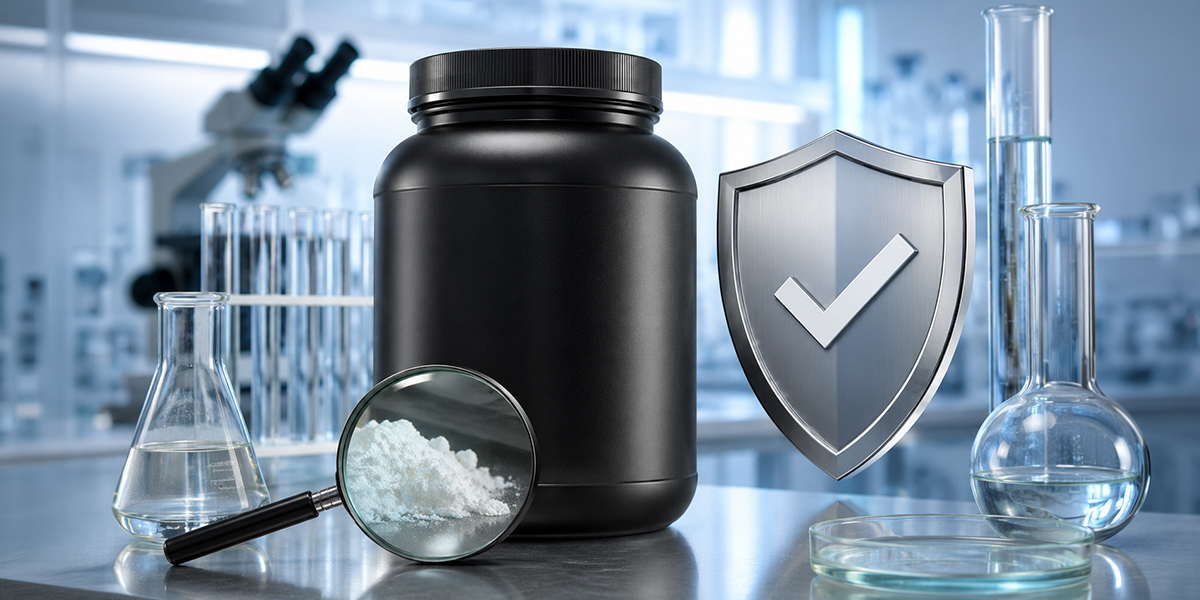
Third-party testing helps verify that a supplement has been checked by an independent organization outside the manufacturing company. This gives athletes and users more confidence that the product contains what it claims and is less likely to include harmful or banned substances.
Table of Contents
What Is Third-Party Testing?
Third-party testing means that a supplement is examined by an independent testing organization that is not owned by the supplement manufacturer.
The purpose is to verify important quality factors such as ingredient identity, dosage accuracy, purity, and the absence of harmful contaminants or banned substances.
For sports supplements, this is especially important because athletes may be held responsible for what they consume, even if a banned substance was not listed on the label.
Why Is Third-Party Testing Important?
Some supplements may contain undeclared ingredients, inaccurate dosages, or contaminants that are not clearly shown on the label.
This can be risky for general users and even more serious for competitive athletes, because certain undeclared substances may be prohibited in sports.
Independent testing adds an extra layer of quality control by helping confirm that the supplement contains the listed ingredients in the correct amounts and does not contain harmful or banned substances.
- Helps verify label accuracy.
- Reduces the risk of hidden or undeclared ingredients.
- Supports consumer safety and product transparency.
- Builds trust in the supplement and the brand.
- Provides extra reassurance for athletes subject to testing.
Benefits for Users and Athletes
Third-party testing is valuable for anyone using supplements, but it is especially important for athletes, fitness professionals, and people who use performance-support products regularly.
For athletes, the biggest benefit is confidence that the supplement has been screened for banned or risky substances. For everyday users, testing helps ensure the product is cleaner, more transparent, and more consistent.
| Benefit | Why It Matters | Best For |
|---|---|---|
| Banned Substance Screening | Reduces risk for tested athletes | Competitive athletes |
| Label Accuracy | Confirms ingredients and dosages match the label | All supplement users |
| Contaminant Control | Helps detect unwanted impurities | Health-conscious consumers |
| Brand Trust | Shows commitment to quality and transparency | Regular supplement users |
What Can Third-Party Testing Check?
Third-party testing can evaluate several important aspects of supplement quality and safety.
Depending on the certification or testing program, the product may be checked for ingredient identity, active ingredient amount, heavy metals, microbial contamination, banned substances, and manufacturing consistency.
This does not mean every tested product is perfect, but it does provide a stronger level of reassurance compared with relying only on marketing claims.
| Testing Area | What It Means | Why It Helps |
|---|---|---|
| Ingredient Verification | Checks whether the listed ingredients are present | Supports label trust |
| Dosage Accuracy | Confirms active amounts per serving | Helps avoid underdosing or overdosing |
| Contaminant Testing | Screens for unwanted impurities | Supports product safety |
| Banned Substance Screening | Checks for substances prohibited in sport | Protects tested athletes |
Tips When Choosing Sports Supplements
When choosing sports supplements, look beyond marketing promises and focus on product transparency, quality, and suitability for your goal.
Third-party testing logos or certifications can be helpful indicators, but they should be checked carefully. A product should also have a clear Supplement Facts panel, transparent dosage information, and a trusted brand reputation.
- Look for “Third-Party Tested” logos or certifications on the packaging.
- Check the reputation of the testing organization.
- Read the Supplement Facts label carefully.
- Avoid products with vague blends or unclear ingredient amounts.
- Choose supplements that match your actual training goal.
- Consult a nutritionist or healthcare professional when needed.
- Be extra cautious with pre-workouts, fat burners, testosterone boosters, and stimulant products.
Third-Party Testing vs Brand Claims
Brand claims can be useful for explaining product benefits, but independent testing provides stronger reassurance because it comes from a source outside the company.
A product may claim to be high quality, clean, or athlete-friendly, but third-party testing helps support these claims with an additional verification process.
For athletes and serious supplement users, this difference matters because quality, purity, and label accuracy can directly affect safety, performance, and trust.
| Comparison | Brand Claim | Third-Party Testing |
|---|---|---|
| Source | Comes from the company | Comes from an independent organization |
| Purpose | Marketing and product positioning | Verification and quality reassurance |
| Trust Level | Depends on brand credibility | Adds independent confirmation |
| Best Use | Understanding product benefits | Checking safety, purity, and label accuracy |
Frequently Asked Questions
What does third-party tested mean?
It means the supplement has been checked by an independent organization outside the manufacturing company to verify quality, ingredients, dosage, or safety factors.
Why is third-party testing important for athletes?
It helps reduce the risk of consuming banned or undeclared substances, which is especially important for athletes who may be subject to drug testing.
Does third-party testing guarantee effectiveness?
Not completely. It can help confirm quality and label accuracy, but results still depend on proper use, correct dosing, nutrition, training, and individual response.
Should beginners choose third-party tested supplements?
Yes, beginners can benefit from choosing tested supplements because they provide more reassurance about quality, safety, and label transparency.
What should I check before buying a sports supplement?
Check for third-party testing, a clear Supplement Facts label, trusted brand reputation, suitable dosage, and whether the product matches your health or performance goal.
Conclusion
Third-party testing is an important quality marker for sports supplements because it supports safety, transparency, and confidence in the product.
Choosing supplements that have been independently tested can reduce health risks, improve trust, and provide extra reassurance for athletes and active individuals. For best results, third-party tested supplements should still be used as part of a balanced diet, proper training plan, and responsible supplementation routine.