

Manganese is an essential trace mineral that plays an important role in protecting the body from oxidative damage. It supports several biological processes, including metabolism, bone health, connective tissue formation, and antioxidant defense.
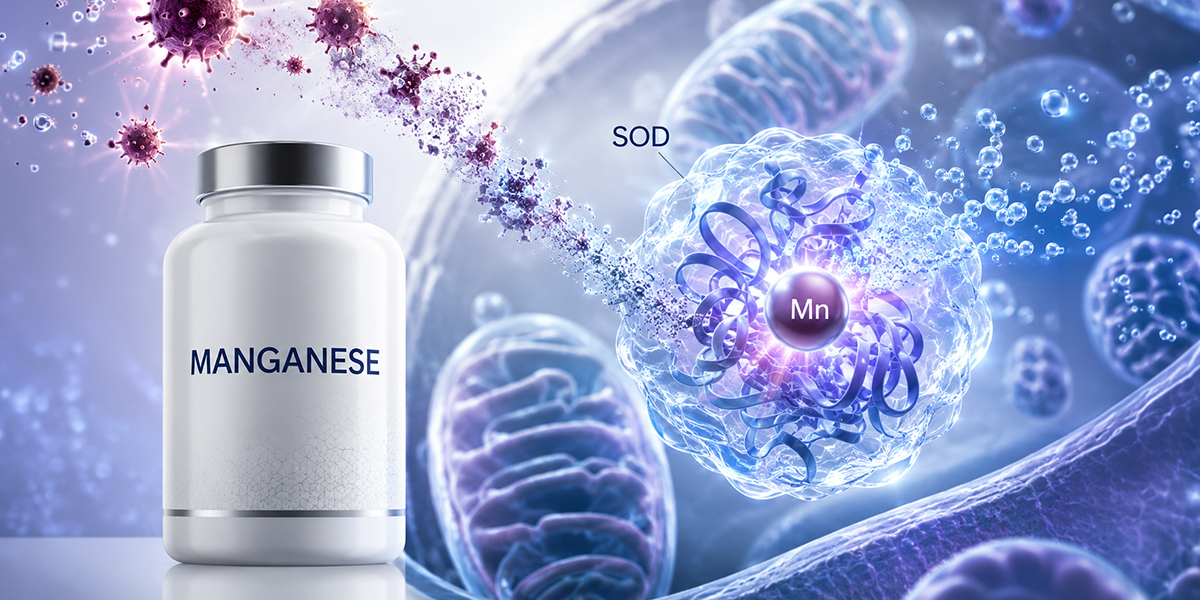
One of manganese’s most important roles is its involvement in manganese superoxide dismutase, also known as Mn-SOD, one of the body’s strongest antioxidant enzymes inside the cells.
Table of Contents
What Is Mn-SOD?
Mn-SOD stands for manganese superoxide dismutase. It is a powerful antioxidant enzyme found mainly inside the mitochondria, where cells produce energy.
Because mitochondria are highly active in energy production, they can also produce free radicals as a normal byproduct of metabolism. Mn-SOD helps protect cells by neutralizing these harmful compounds before they cause excessive damage.
Function of Mn-SOD
The Mn-SOD enzyme helps protect cells from free radicals generated by normal metabolic processes, environmental stress, inflammation, or oxidative stress.
It works by converting harmful superoxide radicals into less damaging compounds, which can then be further processed into water and oxygen.
This process helps reduce cellular and tissue damage, especially in organs and tissues with high metabolic activity such as the heart, brain, bones, cartilage, and connective tissues.
Importance of Manganese in the Enzyme
Manganese is essential for ensuring the proper activity of Mn-SOD. Without adequate manganese levels, the enzyme may not function efficiently.
When Mn-SOD activity is reduced, the body may have a lower ability to manage oxidative stress. Over time, this may contribute to inflammation, tissue stress, joint discomfort, and premature degeneration of connective tissues and bones.
Maintaining balanced manganese levels helps support the body’s natural antioxidant defenses without exceeding safe intake levels.
| Component | Role | Main Benefit |
|---|---|---|
| Manganese | Activates and supports Mn-SOD | Helps maintain antioxidant enzyme function |
| Mn-SOD | Neutralizes superoxide radicals | Protects cells from oxidative damage |
| Antioxidant Defense | Reduces free radical impact | Supports long-term cellular health |
Effect on Overall Health
Mn-SOD supported by manganese may help protect tissues from oxidative stress and support healthy aging.
This antioxidant defense is especially important for joint and bone health, as cartilage and connective tissues may be affected by oxidative damage over time.
Manganese also contributes to the protection of the heart and brain from oxidative stress, supporting normal cellular function and helping the body maintain resilience against age-related cellular damage.
- Supports antioxidant protection inside cells.
- Helps protect cartilage and connective tissues.
- Supports bone and joint health.
- Contributes to heart and brain cellular protection.
- Helps reduce the impact of oxidative stress associated with aging.
Sources of Manganese to Support Enzyme Activity
Manganese can be obtained naturally from a variety of whole foods. A balanced diet usually provides enough manganese for most healthy individuals.
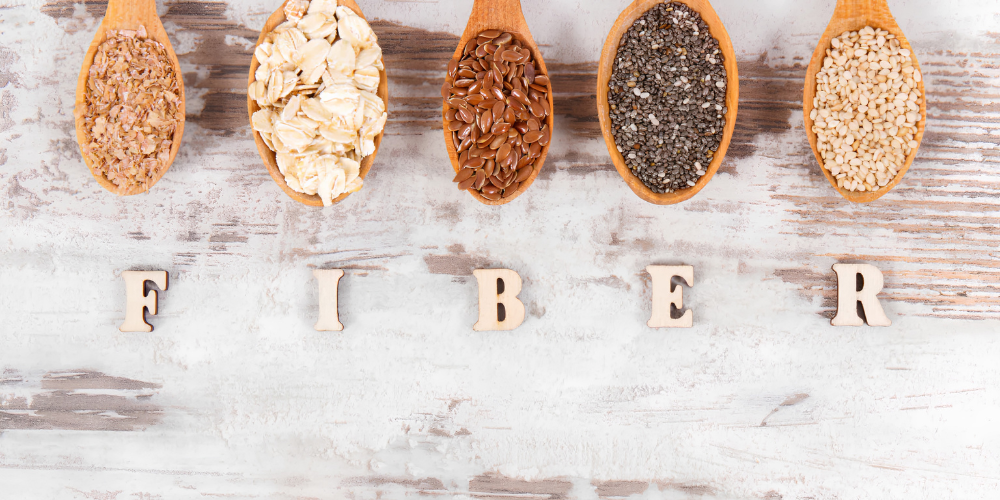
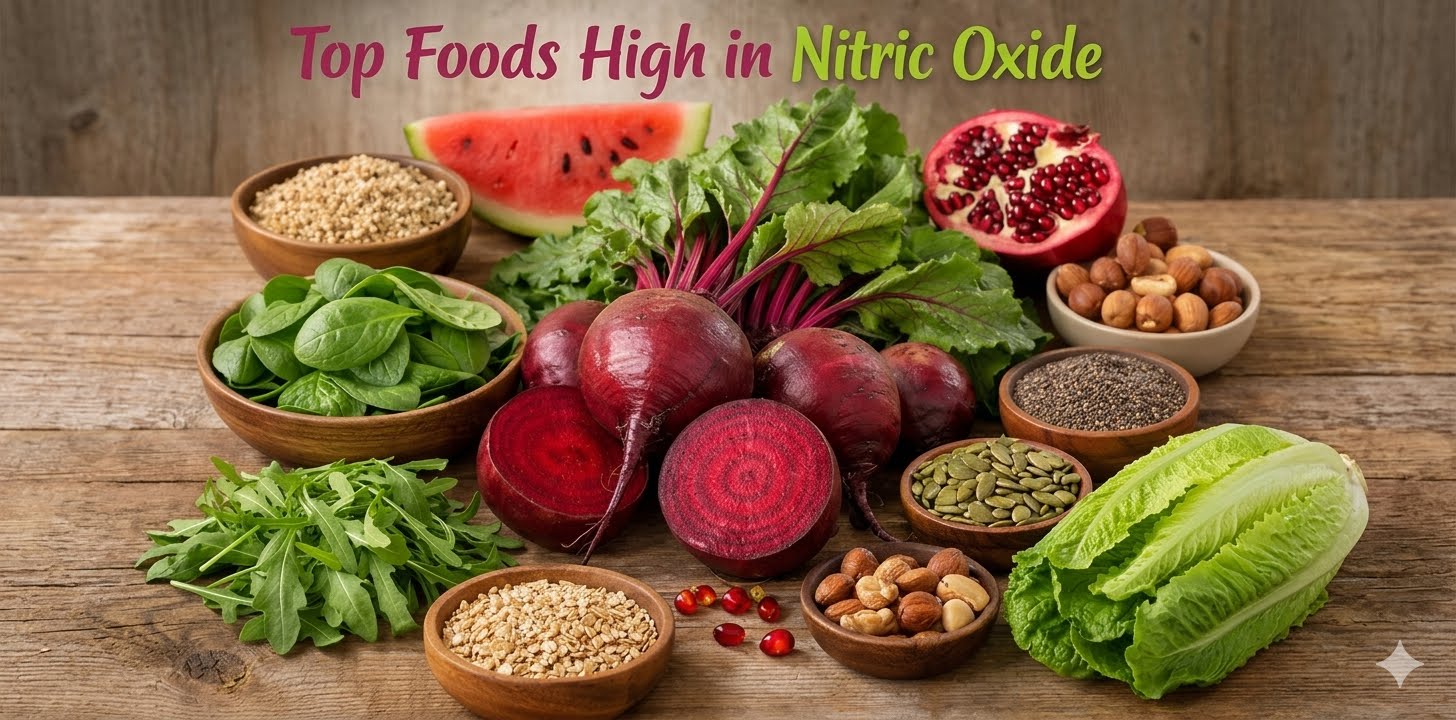
- Whole grains such as oats, brown rice, and whole wheat.
- Nuts such as almonds, hazelnuts, and pecans.
- Seeds such as pumpkin seeds, sesame seeds, and flaxseeds.
- Legumes such as lentils, chickpeas, and beans.
- Leafy green vegetables such as spinach and kale.
- Tea, especially black and green tea.
Providing the body with adequate manganese helps support Mn-SOD enzyme activity and enhances the body’s natural ability to resist oxidative damage.
Frequently Asked Questions
What is Mn-SOD?
Mn-SOD stands for manganese superoxide dismutase, an antioxidant enzyme that helps protect cells from oxidative damage.
Why is manganese important for antioxidants?
Manganese is required for the proper function of Mn-SOD, one of the body’s key antioxidant enzymes inside cells.
Can manganese support joint health?
Manganese may support joint and connective tissue health by helping antioxidant enzymes reduce oxidative stress affecting cartilage and tissues.
What foods contain manganese?
Whole grains, nuts, seeds, legumes, leafy greens, and tea are common dietary sources of manganese.
Should everyone take manganese supplements?
No. Most people can get enough manganese from food. Supplements should be used only when needed and with professional guidance.
Conclusion
Manganese is a vital element as part of the powerful antioxidant enzyme Mn-SOD, which helps protect cells and tissues from oxidative damage.
Maintaining natural manganese levels through a balanced diet supports joint, bone, heart, and brain health, while contributing to the body’s long-term defense against oxidative stress and age-related cellular damage.