

Zinc is an essential trace mineral that the body requires in small amounts but delivers significant health benefits. It plays a central role in supporting the immune system, maintaining hormonal balance, enhancing fertility in both men and women, and promoting healthy hair and skin.
With modern lifestyles and increased reliance on processed foods, many individuals may experience zinc deficiency without realizing it.
What Is Zinc and Why Is It Essential?
Zinc is a trace mineral involved in over 300 enzymatic reactions in the body. It supports growth, metabolism, and nervous system function.
It also plays a crucial role in cell division and wound healing, making it essential at every stage of life. Maintaining adequate zinc levels is vital for overall health and preventing various health issues.
Zinc and Immune System Support
Zinc is well known for its role in strengthening the immune system. It helps activate immune cells such as lymphocytes and enhances the body’s natural defense mechanisms.
Regular zinc intake can also reduce the duration and severity of common colds. This makes it an important nutrient, especially during periods of stress or seasonal changes.
Zinc and Fertility in Men and Women
Zinc plays a key role in reproductive health by supporting hormone regulation and fertility.
- For men, Zinc is essential for testosterone production and improving sperm quality and count
- For women, It supports hormonal balance, reproductive health, and regular menstrual cycles
Zinc deficiency can negatively impact fertility, making adequate intake crucial.
Benefits of Zinc for Hair and Skin
Zinc is essential for maintaining healthy hair and skin. It strengthens hair follicles, supports hair growth, and reduces hair loss linked to nutrient deficiency.
It also helps reduce inflammation, supports wound healing, and improves skin conditions such as acne. Zinc is therefore closely linked to a healthy appearance.
Symptoms of Zinc Deficiency
Zinc deficiency symptoms may develop gradually and include:
- Weak immune system
- Hair loss
- Slow wound healing
- Loss of appetite
- Changes in taste or smell
- Dry skin
Early awareness of these symptoms allows for timely intervention and correction.
Dietary Sources of Zinc
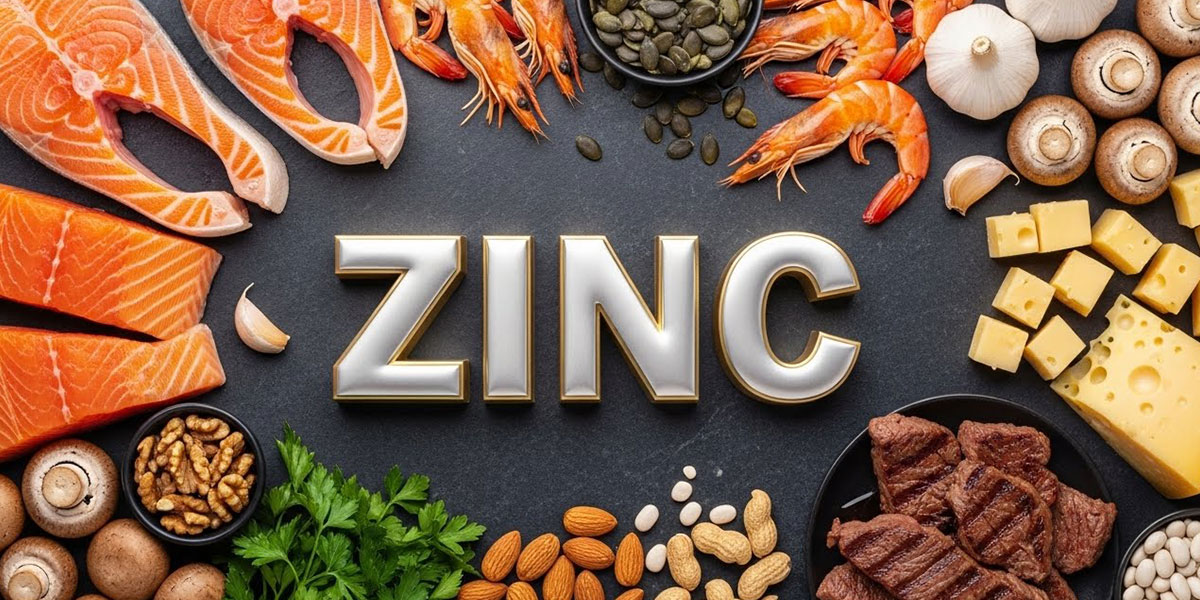
Zinc is found in a variety of foods, including:
- Red meat and poultry
- Seafood, especially oysters
- Nuts and seeds
- Legumes
- Whole grains and dairy products
Including these foods in a balanced diet helps meet daily zinc requirements naturally.
When Are Zinc Supplements Needed?
In some cases, it may be difficult to obtain sufficient zinc from the diet alone, especially with specific dietary patterns or increased needs. Zinc supplements can be a practical and effective solution when used in appropriate doses. High-quality supplements from trusted providers like Dr. Nutrition help support immunity, fertility, and hair health as part of a healthy lifestyle.