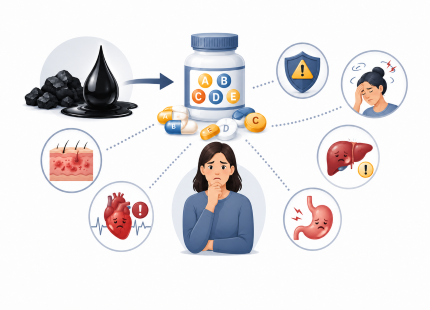



The body’s vitamin needs can vary depending on health status, diet quality, age, lifestyle, and the reason for using supplements.
Some vitamin doses are intended for daily prevention and nutritional maintenance, while others are used therapeutically to help correct a confirmed deficiency or support a specific health condition. Understanding the difference helps make vitamin use safer, more targeted, and more effective.
Table of Contents
What Is a Preventive Dose?
A preventive dose is the amount of a vitamin taken to maintain general health and reduce the risk of deficiency.
It is usually close to recommended daily intake levels and is commonly used as part of a balanced nutrition plan.
Preventive doses are not meant to treat a severe deficiency. Instead, they help support normal body functions and maintain adequate nutrient levels over time.
What Is a Therapeutic Dose?
A therapeutic dose is a higher amount of a vitamin used to help treat a confirmed deficiency or support a specific health condition.
It is typically used for a limited period and should be guided by symptoms, laboratory results, health status, and professional advice.
Therapeutic dosing is more targeted than daily preventive supplementation because the goal is to restore balance or address a specific nutritional problem.
Preventive Dose vs Therapeutic Dose
The main difference between the two is the purpose of use.
A preventive dose is used to maintain normal levels and help avoid deficiency, while a therapeutic dose is used when the body needs a higher intake for correction or clinical support.
| Comparison Point | Preventive Dose | Therapeutic Dose |
|---|---|---|
| Main Purpose | Maintain general health and prevent deficiency | Correct deficiency or support a specific condition |
| Dose Level | Usually close to daily recommended intake | Often higher than standard daily intake |
| Duration | May be used regularly as part of daily nutrition | Usually used for a defined period |
| Need for Supervision | Generally lower when doses are moderate | Higher, especially with large doses or medical conditions |
When Do You Need a Therapeutic Dose?
Therapeutic doses may be needed when laboratory tests show a clear deficiency or when symptoms and health conditions suggest increased nutritional needs.
Common examples include low vitamin D, low vitamin B12, iron deficiency, or situations where absorption is reduced due to digestive issues or certain medical conditions.
A therapeutic dose may also be considered during periods of increased demand, but it should be chosen carefully based on individual assessment.
- Confirmed deficiency through blood tests.
- Clear symptoms linked to low nutrient levels.
- Reduced absorption due to digestive conditions.
- Increased needs during certain life stages or health situations.
- Professional recommendation for a specific health goal.
Risks of High Doses Without Supervision
Taking high therapeutic doses without medical advice may increase the risk of side effects, nutrient imbalance, or toxicity.
This is especially important with fat-soluble vitamins such as vitamins A, D, E, and K, because they can be stored in the body and may accumulate when taken in excess.
Even water-soluble vitamins may cause problems at very high doses in some cases, especially when used for long periods or combined with other supplements.
How to Choose the Right Dose
For general nutritional support, starting with preventive doses may help maintain balance and reduce the risk of deficiency.
If symptoms appear, dietary intake is poor, or test results are abnormal, a healthcare professional can help determine whether a therapeutic dose is needed.
The right dose depends on the vitamin type, deficiency level, age, health status, diet, medications, and how long supplementation is expected to continue.
- Use preventive doses for daily maintenance when there is no confirmed deficiency.
- Use laboratory tests when needed to confirm low levels.
- Avoid combining multiple products that contain the same vitamin.
- Be careful with fat-soluble vitamins and high-dose formulas.
- Reassess the dose after the correction period.
Frequently Asked Questions
What is a preventive vitamin dose?
A preventive dose is a moderate amount used to maintain normal vitamin levels and help prevent deficiency.
What is a therapeutic vitamin dose?
A therapeutic dose is a higher amount used to correct a confirmed deficiency or support a specific health need, usually for a limited time.
Do I need blood tests before taking therapeutic doses?
Blood tests are often helpful, especially for nutrients such as vitamin D, vitamin B12, and iron, because they help confirm deficiency and guide dosing.
Are high vitamin doses dangerous?
They can be risky if used without supervision, especially fat-soluble vitamins such as A, D, E, and K, which may accumulate in the body.
Can I switch from a therapeutic dose to a preventive dose?
Yes, in many cases the dose may be reduced after deficiency is corrected, but this should be based on reassessment and individual needs.
Conclusion
Understanding the difference between preventive and therapeutic vitamin doses helps ensure safer and more effective supplement use.
Preventive doses support daily nutritional balance, while therapeutic doses are used for specific deficiencies or health needs. Choosing the right dose based on individual assessment can help maximize benefits while minimizing unnecessary risks.