

Protein powder has become an essential part of many fitness enthusiasts’ diets, offering a convenient and effective way to increase daily protein intake. Whether your goal is building muscle, supporting recovery, or simply meeting your daily protein needs, protein powder can be a valuable supplement. With a wide variety of flavors and types available, it suits different dietary preferences and lifestyles.
It is especially beneficial for individuals who struggle to consume enough protein from whole foods alone, such as vegetarians or people with busy schedules. Protein powder can easily be added to smoothies, oatmeal, or baked goods for a quick and tasty protein boost. Some products also include added vitamins and minerals, enhancing their overall nutritional value.
In this article, we will explore the different types of protein powder, their benefits, and how to incorporate them into your daily routine for optimal results.
What Is Protein Powder?
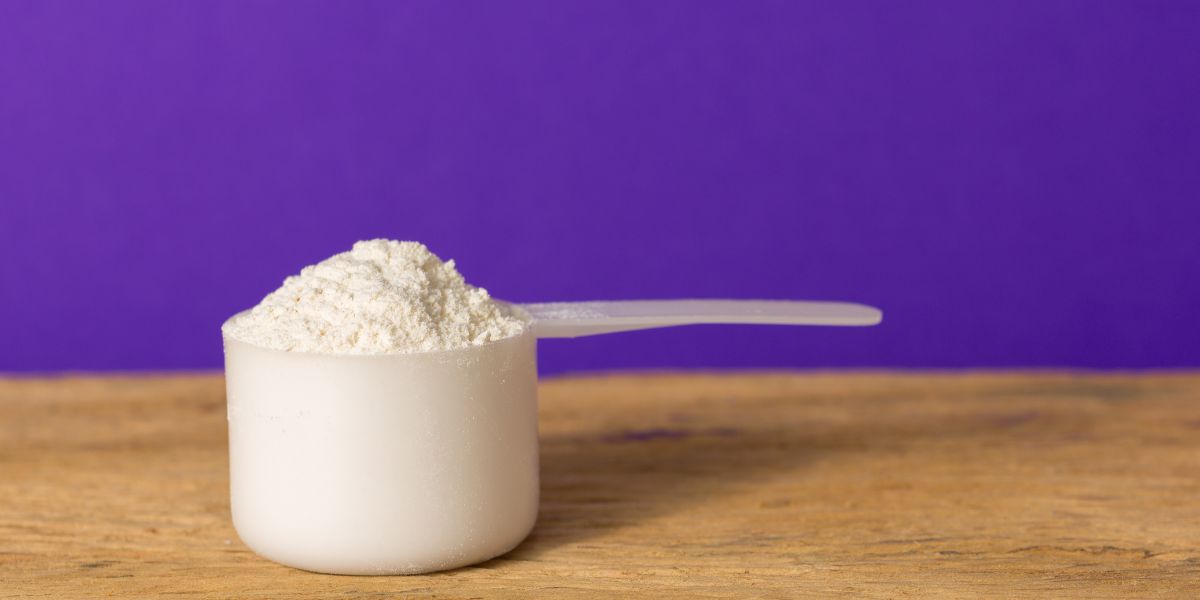
Protein powders are dietary supplements designed to help support muscle building and overall protein intake. They are derived from various protein sources such as whey, casein, beef protein, egg protein, pea protein, and soy protein. Protein is an essential nutrient responsible for building and repairing tissues, supporting muscle growth, and performing numerous vital bodily functions.
Benefits of Protein Supplements
Protein powder, especially whey protein, offers several benefits including muscle growth, fat loss while preserving lean mass, post-workout recovery, and nutrient density.
1. Weight Management
Protein is the most satiating macronutrient, meaning it helps you feel full longer. This can reduce overall calorie intake and support weight loss or weight management.
Research suggests that high-protein diets may increase metabolic rate, helping the body burn more calories at rest. Protein may also help lower cholesterol levels in some cases.
Additionally, protein helps preserve lean muscle mass during weight loss, which is essential for maintaining a healthy metabolism.
2. Muscle Growth
Studies consistently show that protein supplementation, especially when combined with resistance training, significantly increases muscle mass and strength.
Protein delivers amino acids quickly to muscles after exercise, aiding repair and reducing soreness.
Whey protein is particularly effective due to its fast digestion and high leucine content, an amino acid that stimulates muscle protein synthesis.
3. Recovery
Protein helps repair damaged muscle tissue, making it beneficial for athletes looking to speed up recovery after intense workouts.
4. Convenience and Versatility
Protein powder is portable and easy to mix with various liquids, making it ideal for busy individuals.
It can be added to smoothies, yogurt, oatmeal, baked goods, or even savory dishes to boost protein intake.
This flexibility makes it easier to meet daily protein requirements, especially if whole food intake is insufficient.
Potential Side Effects of Protein Powder
Although generally safe when consumed in moderation, some side effects may occur:
Digestive Issues
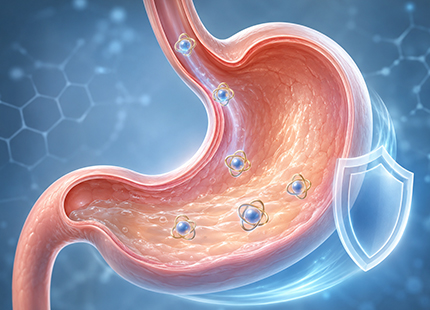
Gas, bloating, and diarrhea are common, particularly with whey protein, often due to lactose intolerance. Switching to lactose-free or plant-based protein may help.
Constipation may occur if protein intake is high without sufficient fiber and water. Ensure adequate hydration and fiber intake.
Allergic Reactions
Dairy allergies: Whey and casein are milk-derived and may trigger allergic reactions.
Soy allergies: Soy protein may cause reactions in sensitive individuals.
Other allergies: Though rare, allergies to pea, rice, or egg protein are possible.
Nutrient Imbalance
Relying solely on protein powder may lead to deficiencies if not combined with a balanced diet.
Many protein powders are low in fiber, so ensure fiber intake from whole foods.
Other Possible Effects
Acne: Some individuals report increased acne with whey protein.
Medication interactions: Protein supplements may interact with certain medications. Consult your healthcare provider if needed.
Types of Protein Powder
Several types of protein supplements are available, each sourced differently:
Whey Protein
Derived from milk, fast-digesting, and rich in branched-chain amino acids (BCAAs), making it popular for muscle growth and recovery.
It comes in three main forms: concentrate, isolate, and hydrolysate, each varying in purity and processing.
Casein Protein
Also milk-derived, digests slowly and provides a sustained release of amino acids.
Ideal before bedtime or between meals to support muscle maintenance.
Plant-Based Protein
Common sources include pea, rice, hemp, and soy protein.
Combining plant proteins (such as pea and rice) can provide a complete amino acid profile.
Egg White Protein
Derived from egg whites, easily digestible and hypoallergenic, suitable for those allergic to dairy or soy.
Meat-Based Protein
Less common but derived from beef or chicken. It provides a complete amino acid profile and may appeal to paleo or carnivore diet followers.
How to Use Protein Powder
Protein powder is versatile and can be used in multiple ways:
Smoothies and shakes: Mix with water, milk, or other liquids. Add fruits, vegetables, or nut butter for extra nutrition.
Baking and cooking: Add to muffins, pancakes, protein bars, oatmeal, yogurt, soups, or sauces.
Pre- or post-workout: Consuming protein before or after exercise supports recovery and muscle growth.
Precautions
Choose the right supplement: Select a product that aligns with your dietary needs and goals.
Check allergies: Carefully read labels if you have dairy, soy, or other allergies.
Start gradually: Begin with smaller amounts to assess tolerance.
Kidney concerns: Individuals with kidney disease should consult a doctor before increasing protein intake.
Consume moderately: The recommended dietary allowance (RDA) for protein is 0.8 grams per kilogram of body weight, though athletes may require more.
Stay hydrated: Drink plenty of water when increasing protein intake.
Maintain a balanced diet: Do not rely solely on protein powder; include whole foods.
Consult your doctor: Especially if you have underlying medical conditions.
Frequently Asked Questions
Can protein powder be consumed daily?
Yes, it can be taken daily in moderate amounts as part of a balanced diet.
How do protein shakes help as supplements?
Protein shakes can:
Support muscle growth
Enhance nutrient intake
Increase daily protein consumption
Provide convenience
How much protein should a person consume daily?
The RDA is 0.8 grams per kilogram of body weight.
Athletes and active individuals typically consume between 1.2 to 2.2 grams per kilogram of body weight per day.
When should protein powder be taken?
It can be consumed at any time based on individual needs.
What are the side effects of protein powder?
Possible side effects include kidney strain (in excessive amounts), digestive discomfort, dehydration, and nutrient imbalance.