

Introduction
LED Light Therapy has become one of the most popular non-invasive skincare treatments, known for helping improve acne, fine lines, pigmentation, and overall skin health without pain or downtime.
But does it really work? Research suggests that specific LED light wavelengths can support natural skin repair, stimulate collagen production, reduce inflammation, and promote healing. However, results depend on the light color, device quality, treatment consistency, and individual skin concerns.
This guide explains how LED Light Therapy works, the benefits of different light colors, what science says about its effectiveness, who may benefit, possible risks, and whether it is worth adding to your skincare routine.
Table of Contents
- What Is LED Light Therapy?
- How Does LED Light Therapy Work?
- Different LED Light Colors and Their Skin Benefits
- Can LED Light Therapy Help with Acne Scars and Hyperpigmentation?
- LED Light Therapy for Sensitive Skin and Rosacea
- Professional LED Treatments vs At-Home LED Devices
- When Can You Expect to See Results?
- Is LED Light Therapy Safe? Risks and Side Effects
- Who Should Avoid LED Light Therapy?
- FAQ
- Conclusion
What Is LED Light Therapy?
LED Light Therapy (Light Emitting Diode Therapy) is a non-invasive skincare treatment that uses specific wavelengths of visible and near-infrared light to support skin health without damaging the skin surface.
Originally developed to support wound healing, LED therapy has become a popular skincare treatment for concerns such as acne, signs of aging, inflammation, and overall skin rejuvenation.
Unlike ultraviolet (UV) light, LED light uses controlled wavelengths that penetrate different layers of the skin to stimulate natural cellular processes. Each light color targets specific skin concerns, making it suitable for various skin types.
Today, LED Light Therapy is available in dermatology clinics, aesthetic centers, and at-home devices, offering a painless way to support clearer, healthier, and more youthful-looking skin.
How Does LED Light Therapy Work?
LED Light Therapy works by delivering specific wavelengths of light that are absorbed by skin cells. This light energy stimulates natural repair processes, helping the skin regenerate and function more effectively.
Different wavelengths reach different skin layers and provide unique benefits. For example, red light supports collagen production, while blue light targets acne-causing bacteria on the skin surface.
LED therapy may help:
- Stimulate collagen and elastin production
- Support skin cell renewal
- Reduce inflammation and redness
- Promote skin healing
- Improve circulation
- Reduce acne-causing bacteria
- Enhance skin texture and radiance
Because LED therapy supports the skin’s natural processes without damaging tissue, it requires minimal downtime and is considered one of the gentlest cosmetic skincare treatments.
Different LED Light Colors and Their Skin Benefits
Each LED light color uses a specific wavelength that penetrates the skin at different depths and targets specific skincare concerns.
Red Light (620–700 nm)
Red light is one of the most researched wavelengths for skin rejuvenation. It penetrates deeper layers of the skin to support collagen and elastin production, helping improve firmness, fine lines, and overall skin repair.
Best for:
- Fine lines and wrinkles
- Collagen production
- Skin firmness
- Skin recovery
- Anti-aging support
Blue Light (405–470 nm)
Blue light works mainly on the skin’s surface to target acne-causing bacteria. It may help reduce breakouts, excess oil, and inflammation associated with acne-prone skin.
Best for:
- Acne-prone skin
- Oily skin
- Active breakouts
- Inflamed pimples
Green Light
Green light is commonly used to support a more even skin tone and improve the appearance of pigmentation. It may help calm the skin and promote a brighter complexion.
Best for:
- Hyperpigmentation
- Sun spots
- Uneven skin tone
- Dull skin
Yellow (Amber) Light
Yellow light supports skin circulation and may help reduce visible redness while promoting a healthier skin barrier and improved radiance.
Best for:
- Sensitive skin
- Mild redness
- Skin recovery
- Overall skin glow
Near-Infrared Light
Near-infrared light penetrates deeper into the skin compared with visible light. It supports cellular recovery, helps reduce inflammation, and promotes deeper skin repair.
Best for:
- Skin healing
- Inflammation support
- Recovery after cosmetic treatments
- Deep tissue repair
Professional LED Treatments vs At-Home LED Devices
Professional and at-home LED devices use similar light therapy principles, but they differ in intensity, treatment strength, and expected results.
Professional LED Treatments
Performed by dermatologists or skincare professionals, these treatments use medical-grade devices with higher light intensity. They may provide faster and more noticeable results, especially for acne, skin repair, and anti-aging concerns.
At-Home LED Devices
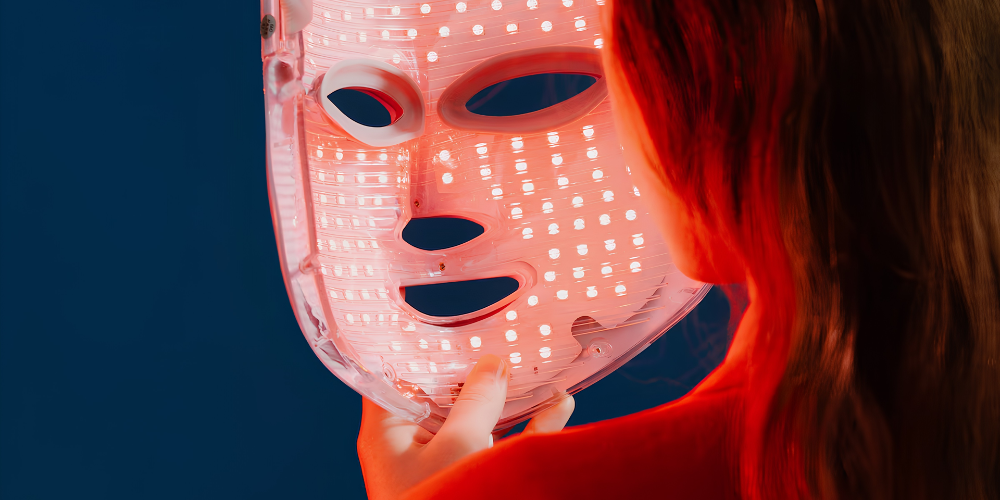
Home-use masks and handheld devices use lower energy levels designed for safe and convenient use. With consistent application, they may help improve skin texture, brightness, and mild skin concerns over time.
Professional treatments may offer quicker improvements, while high-quality at-home devices are a practical option for regular maintenance and long-term skincare support.
When Can You Expect to See Results?
LED Light Therapy does not provide instant results. Skin improvements appear gradually as cellular repair, collagen production, and skin regeneration increase over time.
Typical timelines include:
- Acne improvement: 2–6 weeks
- Reduced redness: 2–4 weeks
- Improved skin brightness: 3–6 weeks
- Fine lines and wrinkles: 8–12 weeks
- Collagen support: 2–3 months
- Acne scars and pigmentation: Several months with consistent use
Results depend on treatment frequency, device quality, skin condition, and overall skincare habits.
Is LED Light Therapy Safe? Risks and Side Effects
LED Light Therapy is generally considered safe for most people when used correctly. Unlike UV light, it does not damage skin cells or expose the skin to harmful ultraviolet radiation.
Possible temporary side effects include:
- Mild redness
- Temporary dryness
- Slight warmth during treatment
- Mild irritation in sensitive skin
- Eye discomfort if proper protection is not used
Most side effects are mild and temporary. Using a high-quality device and following manufacturer instructions helps ensure safe and effective treatment.
Who Should Avoid LED Light Therapy?
While LED Light Therapy is safe for many people, some individuals should consult a healthcare professional before use, including those who:
- Have photosensitive medical conditions
- Take medications that increase light sensitivity
- Have active skin cancer or suspicious skin lesions
- Experience light-triggered epilepsy
- Have severe inflammatory skin conditions
- Are recovering from certain eye conditions
Pregnant women should also seek medical advice before using LED devices. When used appropriately, LED Light Therapy can be a safe, evidence-based option for supporting healthier skin.
FAQ
1. Which LED light color is best for anti-aging?
Red light is widely used for anti-aging skincare because it supports collagen production, improves skin firmness, and helps reduce the appearance of fine lines.
2. Can LED Light Therapy clear acne?
Blue LED light may help reduce acne-causing bacteria and inflammation, making it useful for supporting mild to moderate acne improvement.
3. Is LED Light Therapy safe for all skin types?
Yes, LED Light Therapy is generally safe for most skin types because it does not use harmful UV radiation. However, people with light sensitivity should consult a healthcare professional before use.
4. Can I use LED Light Therapy every day?
Some at-home devices allow daily use, while others recommend several sessions per week. Always follow the manufacturer’s instructions for safe results.
5. Are at-home LED masks as effective as professional treatments?
Professional devices usually provide higher intensity and faster results, but high-quality home devices can still support skin improvement with consistent use.
Conclusion
LED Light Therapy is more than a skincare trend; it is a science-backed treatment that may help improve acne, fine lines, inflammation, and overall skin health when used consistently.
Although results are not immediate, regular treatments with a suitable device can support clearer, healthier, and more youthful-looking skin.
Whether performed professionally or at home, LED Light Therapy can be a safe and effective addition to a balanced skincare routine when used correctly.