

Iron deficiency is one of the most common nutritional deficiencies worldwide and can significantly impact your energy levels and overall health. Iron is an essential mineral that plays a key role in the production of hemoglobin, the protein responsible for carrying oxygen in the blood to all body cells.
When iron levels drop, the body’s ability to produce healthy red blood cells is affected, leading to a condition known as iron deficiency anemia.
What Is Iron Deficiency?
Iron deficiency occurs when the body does not have enough iron to produce adequate hemoglobin. As a result, red blood cells cannot efficiently transport oxygen, which affects the performance of vital organs.
This condition can be caused by low dietary intake, chronic blood loss, or increased iron requirements during periods such as pregnancy or rapid growth in children and adolescents.
Causes of Iron Deficiency
There are several common causes of iron deficiency, including:
- Poor nutrition: Low intake of iron-rich foods such as red meat and legumes
- Blood loss: Heavy menstrual cycles or internal bleeding in the digestive system
- Poor absorption: Digestive disorders that affect iron absorption
- Increased demand: Pregnancy, adolescence, and intense physical activity
Symptoms of Iron Deficiency
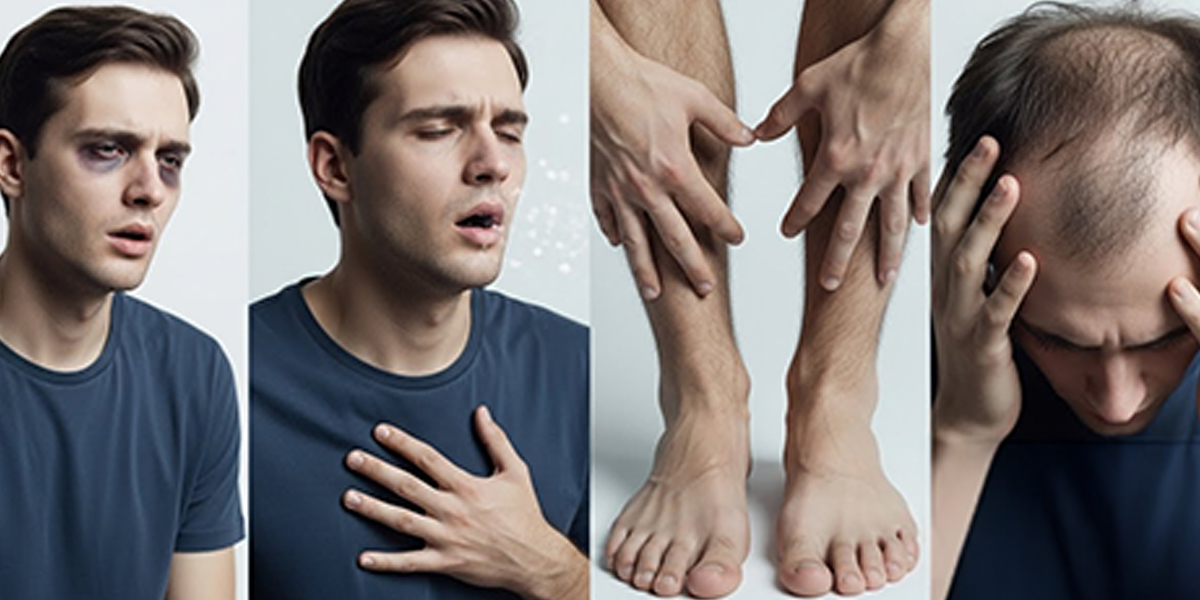
Iron deficiency symptoms often develop gradually and may worsen over time. Common signs include:
- Persistent fatigue and weakness
- Pale skin and cold extremities
- Shortness of breath and rapid heartbeat
- Frequent headaches and difficulty concentrating
- Hair loss and brittle nails
Early recognition of these symptoms is essential for timely diagnosis and treatment.
Who Is at Risk?
Certain groups are more likely to experience iron deficiency:
- Women of reproductive age
- Pregnant women
- Children and adolescents during growth phases
- Athletes
- Vegetarians (due to lower absorption of plant-based iron)
Complications of Iron Deficiency
If left untreated, iron deficiency can lead to serious health complications, such as:
- Severe anemia and weakened immunity
- Increased strain on the heart
- Cognitive impairment and reduced focus
- Delayed growth in children
Proper management and early intervention are essential to prevent these complications.
Best Iron-Rich Foods
To prevent iron deficiency, include these foods in your diet:
- Red meat and liver
- Legumes such as lentils, beans, and chickpeas
- Leafy greens like spinach and broccoli
- Nuts and seeds such as cashews and pumpkin seeds
- Fish and seafood like sardines and tuna
For better absorption, combine iron-rich foods with Vitamin C sources and avoid tea or coffee during meals.
Iron Supplements and Their Role
In some cases, diet alone is not enough to restore iron levels. Iron supplements can help increase iron levels quickly and effectively.
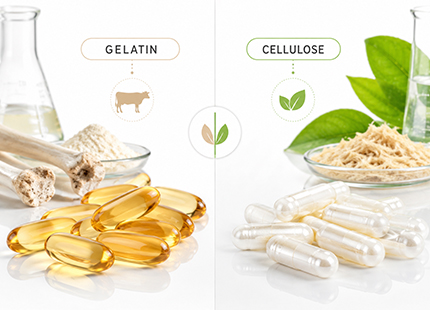
They are available in different forms such as capsules, tablets, and liquid. However, they should be taken under medical supervision to ensure proper dosage and avoid side effects such as digestive discomfort or constipation.
How to Prevent Iron Deficiency
Here are practical tips to help prevent iron deficiency:
- Eat iron-rich foods regularly
- Include Vitamin C in your daily meals
- Avoid beverages that reduce iron absorption during meals
- Consult a healthcare professional if you are at higher risk