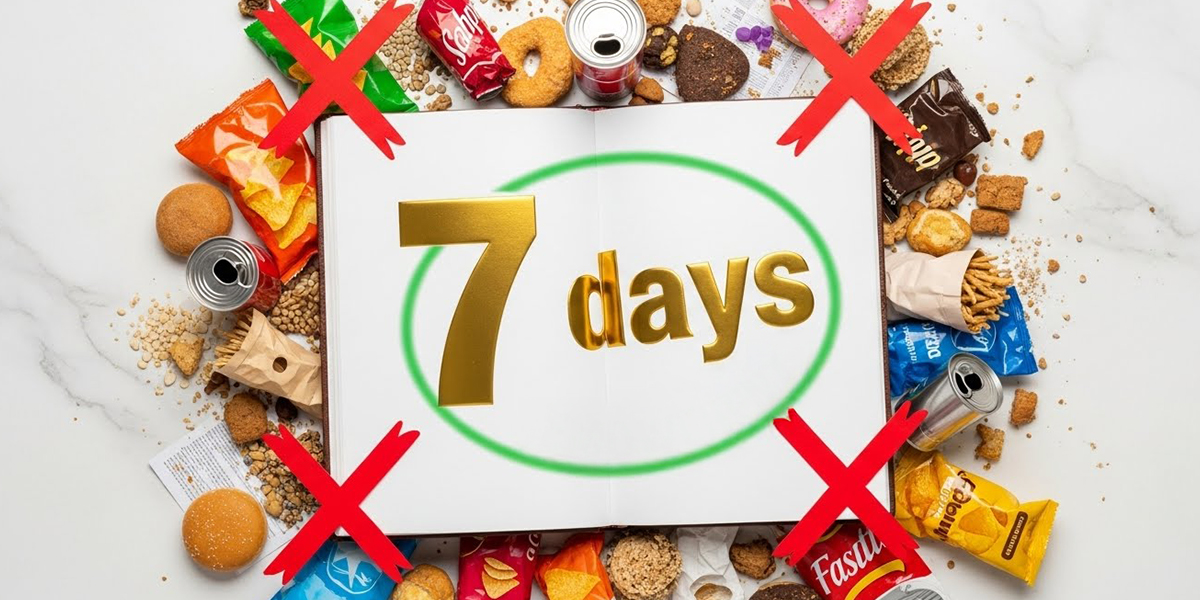


Processed foods have become a staple in many people’s daily diets, despite being linked to health issues such as weight gain, blood sugar imbalances, and nutrient deficiencies.
While they are convenient, excessive consumption can negatively affect energy levels, fitness, and digestive health. Transitioning back to whole, natural foods is a smart step toward a healthier and more balanced lifestyle.
Why Should You Reduce Processed Foods?
Processed foods are often high in added sugars, trans fats, and sodium, while offering little nutritional value.
This imbalance can lead to weight gain, weakened immunity, and constant fatigue. Reducing processed foods helps restore the body’s natural balance, improve digestion, and support both physical and mental performance.
It also makes calorie control easier and enhances the absorption of essential vitamins and minerals.
Day 1: Awareness and Reading Food Labels
Start your journey by becoming more aware of what you eat.
On Day 1, focus on reading food labels of products you consume regularly. Identify hidden ingredients such as added sugars, hydrogenated oils, and preservatives.
This step doesn’t require drastic changes but sets the foundation for better decisions moving forward.
Day 2: Replace Processed Snacks
Begin replacing processed snacks with healthier options.
Swap chips and biscuits for fresh fruits, unsalted nuts, or natural yogurt. This simple change reduces unhealthy fats and sugars while supporting stable energy levels and improved satiety.
Day 3: Return to Home-Cooked Meals
Cooking at home is a key step in eliminating processed foods.
Prepare meals using fresh, simple ingredients such as lean proteins, vegetables, and whole grains. This gives you full control over ingredients and improves the nutritional quality of your meals.
Day 4: Reduce Sugar and Sugary Drinks
Sugary beverages and packaged juices are major sources of hidden sugar.
Replace them with water, green tea, or fresh juices without added sugar. This helps stabilize blood sugar levels, improve focus, and reduce cravings.
Day 5: Focus on Whole Foods
Make whole foods the foundation of your diet.
Fill your plate with vegetables, fruits, legumes, and whole grains. These foods provide fiber, vitamins, and minerals that support digestion, energy, and long-term health.
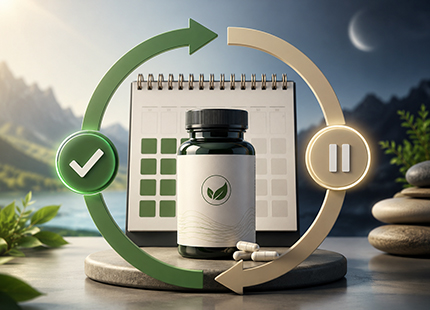
Day 6: Support Your Body with Supplements
During the transition, your body may benefit from additional support.
Consider high-quality supplements such as multivitamins or fiber supplements, depending on your needs. Trusted options from Dr. Nutrition can help fill nutritional gaps and support performance.
Day 7: Build Sustainable Habits
Use the final day to evaluate your progress.
Notice improvements in your energy, appetite, and overall well-being. The goal is not restriction, but building a healthy and sustainable relationship with food. Reducing processed foods and choosing natural options can become a long-term lifestyle.