
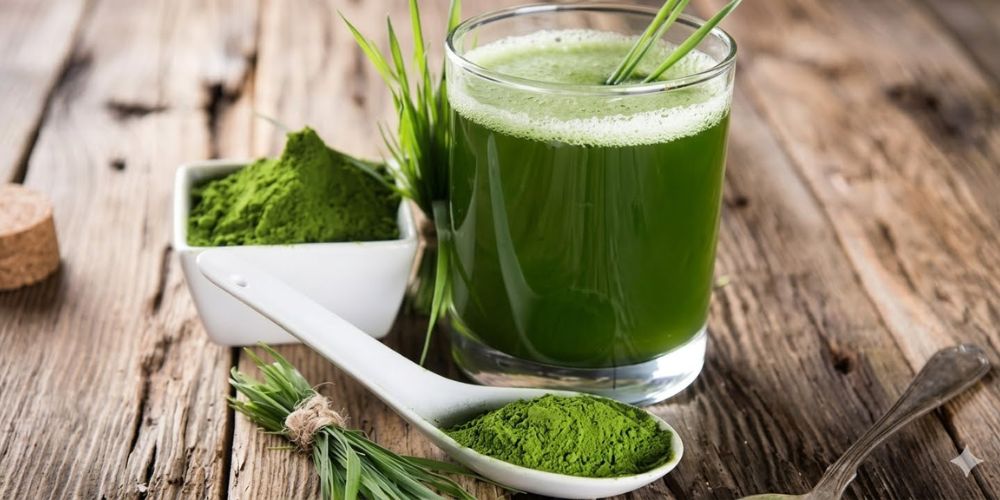


Wheatgrass has become a popular green food among people looking to add more plant-based nutrients and antioxidants to their daily diet. It is made from the young green leaves of the wheat plant and is commonly consumed as fresh juice, powder, or as an ingredient in nutritional supplements.
Known for its vibrant green color and concentrated plant compounds, wheatgrass contains chlorophyll, antioxidants, vitamins, minerals, and other naturally occurring nutrients. These components have made wheatgrass particularly interesting for people looking to support overall wellness as part of a balanced and varied diet.
Table of Contents
- What Is Wheatgrass?
- Nutritional Profile of Wheatgrass
- 5 Health Benefits of Wheatgrass
- 1. Provides Antioxidant Support
- 2. Supports Healthy Digestion
- 3. May Support Healthy Blood Sugar Levels
- 4. Supports Heart and Metabolic Health
- 5. Provides Nutritional Support
- Wheatgrass Juice vs. Wheatgrass Powder
- How to Add Wheatgrass to Your Diet
- Is Wheatgrass Safe for Everyone?
- FAQ
- Conclusion
What Is Wheatgrass?
Wheatgrass refers to the young green shoots of the wheat plant, usually harvested before the plant develops mature wheat grains. It is commonly juiced when fresh or dried and ground into a fine powder that can be mixed with water, smoothies, or other foods.
Unlike wheat flour and other foods made from mature wheat grains, wheatgrass is consumed at an early stage of plant growth. It is primarily valued as a green food because of its naturally occurring plant compounds rather than as a significant source of carbohydrates.
Wheatgrass contains chlorophyll, vitamins, minerals, amino acids, and antioxidant compounds. Its exact nutritional composition can vary depending on growing conditions, harvesting methods, processing, storage, and serving size.
It is also important to distinguish wheatgrass from wheat-based foods. Wheatgrass is the young leafy part of the wheat plant, while bread, pasta, flour, and many cereals are generally produced from the mature wheat grain. People with wheat allergies or specific dietary restrictions should check individual product information and seek professional advice when necessary.
Nutritional Profile of Wheatgrass
Wheatgrass is mainly appreciated for its combination of plant nutrients and naturally occurring bioactive compounds. Depending on the product and serving size, it may provide nutrients such as vitamin C, vitamin E, vitamin K, folate, iron, magnesium, and potassium, along with various antioxidant compounds.
Chlorophyll is one of the compounds most commonly associated with wheatgrass. It gives many green plants their characteristic color and plays an essential role in photosynthesis. However, claims that dietary chlorophyll can “detox” the body should be interpreted cautiously, as the human body already has highly developed organs and systems responsible for processing and eliminating waste.
Wheatgrass can therefore be included as one small part of a nutrient-rich eating pattern. It should not replace whole vegetables, fruits, legumes, whole grains, or other foods that provide fiber, protein, essential fats, vitamins, and minerals.
5 Health Benefits of Wheatgrass
The potential health benefits of wheatgrass are largely linked to its nutritional content and antioxidant compounds. Research has explored its effects in several areas, but evidence varies and some commonly advertised benefits have not been firmly established in large human studies.
For this reason, wheatgrass is best considered a nutritional addition to a balanced diet, rather than a treatment or cure for a specific health condition. Understanding its potential benefits can help you decide whether wheatgrass juice or powder is a suitable addition to your daily routine.
1. Provides Antioxidant Support
One of the key reasons wheatgrass attracts attention is its content of naturally occurring antioxidant compounds. Antioxidants help protect cells from oxidative stress caused by unstable molecules known as free radicals. Oxidative stress is a normal biological process, but excessive oxidative damage may contribute to cellular stress over time.
Wheatgrass contains plant compounds such as chlorophyll, flavonoids, and other antioxidant substances that may contribute to the antioxidant capacity of the diet. Including a variety of colorful vegetables, fruits, herbs, and other plant foods remains a more comprehensive way to obtain a broad range of protective plant compounds.
Although wheatgrass is often marketed as a powerful detoxifying food, it is more accurate to describe it as a source of plant nutrients and antioxidants. The liver, kidneys, digestive tract, and other body systems naturally play major roles in processing and eliminating waste from the body.
2. Supports Healthy Digestion
Wheatgrass may be included as part of a diet focused on digestive wellness. Its plant compounds and nutrients can complement an overall eating pattern that includes vegetables, fruits, whole grains, legumes, and adequate fluids. These foods provide a wide variety of nutrients and, depending on the form, dietary fiber that can support normal digestive function.
However, wheatgrass juice and wheatgrass powder should not automatically be considered a treatment for constipation, bloating, irritable bowel symptoms, or other digestive conditions. The nutritional composition can vary considerably between fresh wheatgrass, juice, and powdered products.
For better digestive health, wheatgrass can be viewed as an optional addition rather than a substitute for fiber-rich foods, sufficient hydration, regular physical activity, and a balanced diet. Anyone experiencing persistent abdominal pain, ongoing diarrhea, severe constipation, vomiting, or other concerning digestive symptoms should seek appropriate medical advice.
3. May Support Healthy Blood Sugar Levels
Some early research has explored wheatgrass and its potential effects on glucose metabolism and other metabolic processes. Its antioxidant compounds may be relevant to overall metabolic health, but evidence in humans remains limited, and wheatgrass should not be considered a proven treatment for diabetes or high blood sugar.
For people concerned about blood sugar management, the overall dietary pattern is much more important than relying on a single food or supplement. Meals that combine high-fiber carbohydrates, vegetables, protein, and healthy fats can help create a more balanced approach to nutrition.
If you have diabetes or take medication that affects blood glucose, speak with a healthcare professional before making significant dietary changes or using concentrated wheatgrass products regularly.
4. Supports Heart and Metabolic Health
A nutrient-rich diet containing a variety of plant foods is associated with overall cardiovascular and metabolic wellness. Wheatgrass can contribute small amounts of vitamins, minerals, and antioxidant compounds to the diet, depending on the serving and product formulation.
Some research has investigated wheatgrass in relation to cholesterol and other cardiovascular risk factors, but more high-quality human research is needed before specific heart-health benefits can be confirmed. Therefore, wheatgrass should not be promoted as a replacement for established strategies such as maintaining a healthy weight, exercising regularly, avoiding tobacco, and following a balanced eating pattern.
5. Provides Nutritional Support
Wheatgrass can provide a concentrated source of certain plant nutrients, making it an appealing option for people who want to increase the variety of green foods in their diet. Depending on the product, wheatgrass may contain vitamins, minerals, chlorophyll, amino acids, and other naturally occurring plant compounds.
Adding wheatgrass to a smoothie, juice, or meal can be a convenient way to introduce another plant-based ingredient. However, it should complement rather than replace whole vegetables and fruits, which provide a broader nutritional profile and often contribute significantly more dietary fiber.
The most practical approach is to use wheatgrass as one component of a varied diet rather than relying on it as a “superfood” that can provide all the nutrients the body needs. A diverse eating pattern remains the strongest foundation for long-term health and nutritional adequacy.
Wheatgrass Juice vs. Wheatgrass Powder
Wheatgrass is available in several forms, with fresh wheatgrass juice and wheatgrass powder being two of the most common. Both can provide plant compounds and nutrients, but they differ in preparation, concentration, convenience, and storage.
Fresh wheatgrass juice is made by juicing young wheatgrass leaves. It is usually consumed shortly after preparation and may have a strong grassy flavor. Wheatgrass powder is produced by drying and processing wheatgrass into a concentrated powder that can be mixed into water, smoothies, or other foods. Powder is generally more convenient for regular use and has a longer shelf life when stored according to the manufacturer's instructions.
The nutritional content of wheatgrass products can vary depending on the growing conditions, processing method, serving size, and storage. When choosing a product, check the ingredient list, serving size, preparation instructions, and storage requirements rather than assuming that all wheatgrass products provide the same nutritional benefits.
How to Add Wheatgrass to Your Diet
Wheatgrass can be incorporated into a daily eating pattern in several simple ways. Powdered wheatgrass can be mixed with water or added to smoothies, while fresh wheatgrass juice can be consumed on its own or combined with other fruit and vegetable juices.
- Add to smoothies: Mix a small amount of wheatgrass powder with fruits, vegetables, yogurt, or other smoothie ingredients.
- Mix with water: Wheatgrass powder can be combined with water according to the product's recommended serving.
- Combine with juice: Mixing wheatgrass with a naturally flavored fruit or vegetable juice may make its strong taste easier to enjoy.
- Add to balanced meals: Wheatgrass can be used alongside other nutrient-rich foods rather than replacing vegetables, fruits, or whole grains.
If you are trying wheatgrass for the first time, starting with the manufacturer's recommended serving and paying attention to how your body responds is a sensible approach. There is no established need to consume large amounts to obtain potential nutritional benefits.
Is Wheatgrass Safe for Everyone?
Wheatgrass is generally tolerated by many people when consumed in appropriate amounts, but it may cause digestive discomfort in some individuals. Possible effects can include nausea, stomach discomfort, constipation, or diarrhea, particularly when introducing a concentrated product.
Food safety is also important with fresh wheatgrass juice. Raw juices can potentially become contaminated with harmful microorganisms if they are not prepared, handled, or stored properly. Choose products from reputable manufacturers and follow preparation and refrigeration instructions carefully.
People with allergies, digestive conditions, or specific medical needs should consider speaking with a healthcare professional before using concentrated wheatgrass products regularly. Anyone taking prescription medication should also check whether a supplement or concentrated plant product is appropriate for them.
It is worth noting that wheatgrass is the young grass of the wheat plant and is typically harvested before the wheat grain develops. However, people with celiac disease, wheat allergy, or gluten sensitivity should carefully check product labeling and manufacturing practices, as cross-contamination with wheat or gluten-containing ingredients can occur.
Wheatgrass should also not be used as a replacement for prescribed medication or as a treatment for a medical condition. If you are considering wheatgrass for a specific health concern, professional advice can help determine whether it is appropriate.
FAQ
1. What are the main health benefits of wheatgrass?
Wheatgrass provides naturally occurring plant compounds and antioxidants and can contribute to a varied, nutrient-rich diet. It may support overall nutritional intake, but evidence for specific therapeutic health benefits remains limited.
2. Is wheatgrass better as juice or powder?
Neither form is universally better. Fresh juice may offer a convenient way to consume freshly prepared wheatgrass, while powder is easier to store and use regularly. Nutritional content varies between products, so checking the label and serving size is important.
3. Can I take wheatgrass every day?
Many people can consume wheatgrass regularly in appropriate amounts, but there is no established requirement to take it every day. Follow the product's serving instructions and consider your individual dietary and health needs.
4. Does wheatgrass detox the body?
Wheatgrass is often marketed as a detoxifying food, but the body already has natural systems, including the liver and kidneys, that process and eliminate waste. Wheatgrass is better viewed as a source of plant nutrients and antioxidant compounds rather than a detox treatment.
Conclusion
Wheatgrass can be an easy way to add another plant-based ingredient to your diet and may provide antioxidant compounds, vitamins, minerals, and other naturally occurring nutrients. Its potential role in supporting digestion, metabolic wellness, and overall nutrition makes it an interesting addition to a balanced eating pattern.
However, wheatgrass should not be viewed as a cure-all or a substitute for a nutritious diet. Most of its potential benefits should be considered within the context of overall dietary quality, healthy lifestyle habits, regular physical activity, adequate hydration, and appropriate healthcare.