

Zinc is an essential mineral the body needs daily to support immunity, skin and hair health, metabolism, and hormonal balance.
For vegetarians, getting enough zinc can be more challenging due to the absence of rich animal sources like meat and seafood. However, a well-planned plant-based diet can provide adequate zinc when the right foods and strategies are used.
This guide explores the best vegetarian sources of zinc and practical tips to meet your daily requirements safely.
Why Is Zinc Important for Vegetarians?
Zinc plays a vital role in strengthening the immune system, supporting wound healing, and regulating enzyme activity.
For vegetarians, zinc becomes even more important as it helps compensate for potential nutritional gaps in plant-based diets.
It also supports energy levels, cognitive function, and nervous system health. Zinc deficiency may lead to weakened immunity, hair loss, and delayed healing.
Legumes: A Key Plant-Based Source
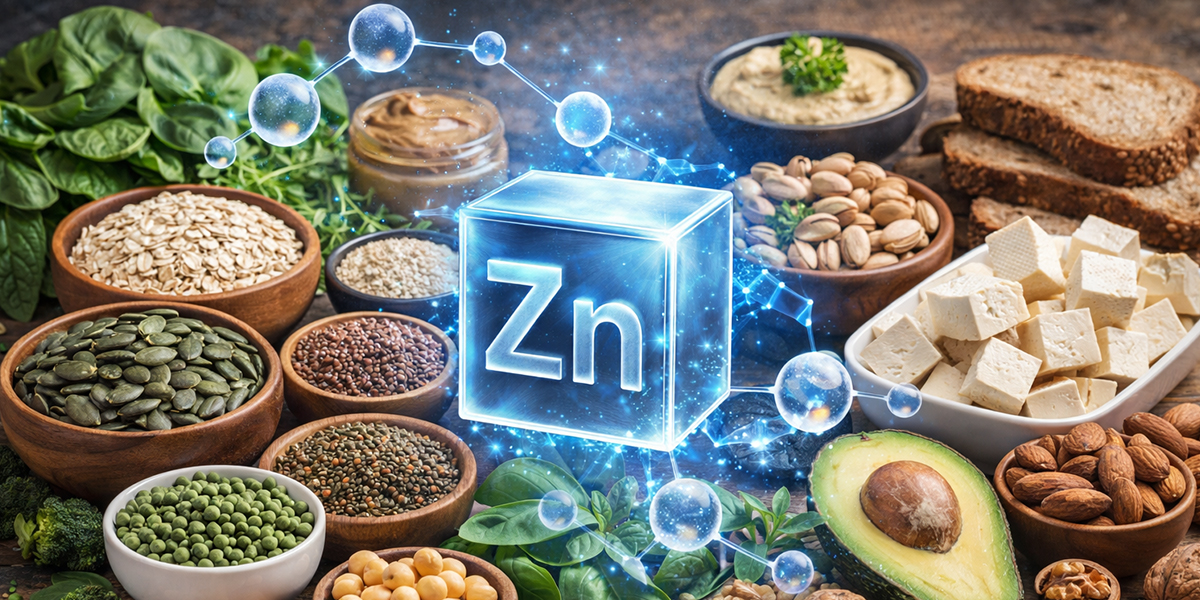
Legumes such as lentils, chickpeas, beans, and peas are among the best plant-based sources of zinc.
They also provide plant protein and fiber, making them a highly nutritious choice.
To improve zinc absorption, it is recommended to soak or sprout legumes before cooking, as this reduces phytic acid, which can inhibit mineral absorption.
Nuts and Seeds for Daily Intake
Nuts and seeds such as pumpkin seeds, sesame seeds, cashews, and almonds contain good amounts of zinc.
Pumpkin seeds, in particular, are one of the richest plant sources.
These foods are easy to include in daily meals as snacks or additions to salads and smoothies. Moderation is important due to their calorie content.
Whole Grains and Zinc-Fortified Foods
Whole grains like oats, brown rice, and quinoa contribute to zinc intake—especially when unrefined.
Certain vegetables, such as mushrooms and spinach also provide moderate amounts.
Additionally, fortified plant-based foods like breakfast cereals can be a practical option for vegetarians.
Do Vegetarians Need Zinc Supplements?
In some cases, plant-based diets alone may not meet zinc requirements—especially for athletes or during periods of stress.
Zinc supplements can be a safe and effective option when used appropriately.
Choose high-quality, well-absorbed forms and avoid taking them at the same time as iron or calcium for better absorption.
Trusted options are available from Dr. Nutrition.
Tips to Improve Zinc Absorption
To maximize zinc absorption on a vegetarian diet:
- Soak or sprout grains and legumes
- Avoid excessive tea or coffee with meals
- Diversify food sources
- Maintain a balanced diet
These simple strategies significantly improve zinc bioavailability and overall health.