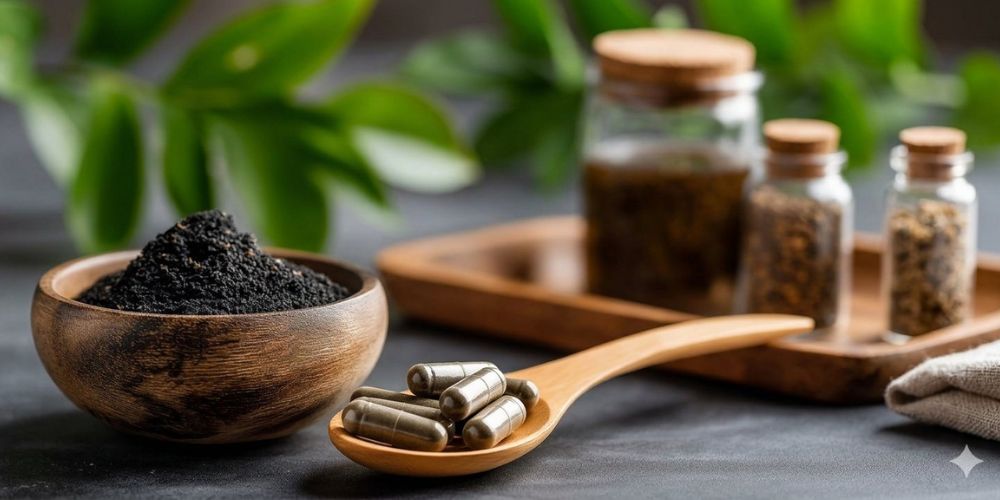


Red Yeast Rice has gained growing attention as a natural supplement for supporting healthy cholesterol levels and cardiovascular wellness. Traditionally produced by fermenting rice with a specific type of yeast, red yeast rice contains naturally occurring compounds called monacolins, including monacolin K, which has cholesterol-lowering activity.
Because cholesterol plays an important role in cardiovascular health, many people are interested in nutritional approaches that may help maintain healthy cholesterol levels alongside a balanced diet and active lifestyle. Red yeast rice has therefore become a popular ingredient in supplements designed for cholesterol management and heart health support.
However, red yeast rice is different from many ordinary nutritional supplements. Some products may contain meaningful amounts of monacolin K, a compound that is chemically identical to the active ingredient in the prescription medicine lovastatin. This means that red yeast rice may have statin-like effects and may also carry similar safety considerations.
This guide explores the potential Red Yeast Rice benefits, how it may support healthy cholesterol levels, its relationship with cardiovascular wellness, possible side effects, dosage considerations, medication interactions, and important safety precautions to help you make a more informed decision.
Table of Contents
- What Is Red Yeast Rice?
- How Does Red Yeast Rice Work?
- Red Yeast Rice Benefits for Cholesterol
- Red Yeast Rice and Heart Health
- Can Red Yeast Rice Support Healthy LDL Levels?
- Red Yeast Rice vs. Statins: What’s the Difference?
- How to Take Red Yeast Rice: Dosage and Best Practices
- Red Yeast Rice Side Effects and Safety Considerations
- Who Should Avoid Red Yeast Rice?
- Red Yeast Rice and Medication Interactions
- How to Choose a High-Quality Red Yeast Rice Supplement
- Recommended Red Yeast Rice Supplements
- FAQ
- Conclusion
What Is Red Yeast Rice?
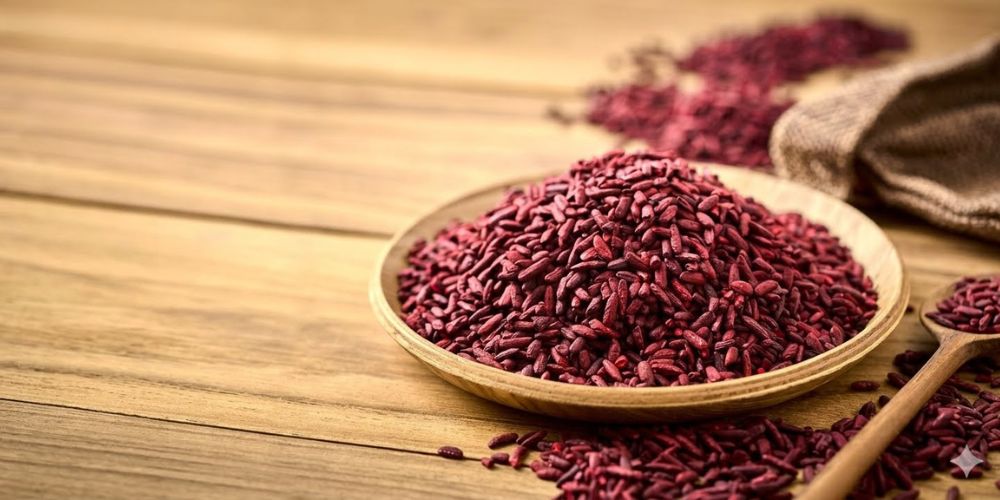
Red Yeast Rice is a traditional fermented food ingredient made by growing the yeast Monascus purpureus on rice. It has been used in Asian food and traditional wellness practices for centuries and is now commonly available as a dietary supplement.
During fermentation, the yeast produces several naturally occurring compounds known as monacolins. One of the most well-known is monacolin K, which has a chemical structure identical to lovastatin and can influence the body’s cholesterol-producing pathway.
This is one of the main reasons red yeast rice has attracted scientific interest. Research has investigated its potential role in maintaining healthy cholesterol levels, particularly LDL cholesterol, when used as part of an appropriate health and lifestyle strategy.
Red yeast rice supplements may therefore be used to support:
- Healthy cholesterol levels
- LDL cholesterol management
- Cardiovascular wellness
- Healthy lipid metabolism
- Overall heart health
However, the composition of red yeast rice products can vary significantly. Not every product contains the same amount of monacolin K, and some may contain little or none. For this reason, red yeast rice should be approached as a biologically active supplement rather than simply a conventional food ingredient.
How Does Red Yeast Rice Work?
The potential cholesterol-supporting effects of red yeast rice are primarily associated with its monacolin content. Monacolin K can inhibit an enzyme involved in the body’s natural production of cholesterol, which may help reduce the amount of cholesterol produced by the liver.
By influencing cholesterol synthesis, red yeast rice may help support healthier blood lipid levels in some individuals. However, its effects can depend on the specific product, amount of active compounds present, diet, lifestyle, and individual health factors.
For this reason, red yeast rice is best considered as part of a broader approach to cardiovascular wellness rather than a standalone solution for cholesterol management
Red Yeast Rice for Cholesterol Support
One of the main reasons people consider red yeast rice supplements is their potential to support healthy cholesterol levels. Monacolin K can inhibit an enzyme involved in cholesterol production in the liver, which may help reduce LDL cholesterol in some individuals.
Clinical research has found that certain standardized red yeast rice preparations may help improve cholesterol measurements, particularly when used consistently as part of a heart-conscious lifestyle. However, results depend heavily on the product's composition and the amount of active compounds it contains.
Red yeast rice should be viewed as part of a broader approach to cardiovascular wellness that includes:
- A balanced diet rich in vegetables, whole grains, and fiber
- Regular physical activity
- Maintaining a healthy body weight
- Limiting saturated and trans fats
- Monitoring cholesterol levels regularly
It is important to remember that a supplement should not replace prescribed cholesterol treatment without medical guidance.
Red Yeast Rice and Heart Health
Healthy cholesterol levels are an important component of overall cardiovascular health. By potentially helping maintain healthier LDL cholesterol levels, red yeast rice has attracted interest as a nutritional option for people looking to support their heart-health routine.
However, cardiovascular health involves much more than cholesterol alone. Blood pressure, blood sugar, smoking status, physical activity, diet, family history, and other health factors can all influence cardiovascular risk.
For this reason, red yeast rice is best considered a potential cholesterol-support supplement rather than a treatment for heart disease. Anyone with cardiovascular disease or significantly elevated cholesterol should discuss appropriate treatment options with a healthcare professional.
Can Red Yeast Rice Support Healthy LDL Levels?
Red yeast rice may help support healthy LDL cholesterol levels because certain products contain monacolin K, a compound that can reduce the liver’s production of cholesterol. Research has found that some standardized red yeast rice preparations may help lower LDL cholesterol in certain individuals when used consistently.
However, the amount of monacolin K can vary significantly between products. This means that the effectiveness of one red yeast rice supplement may not be the same as another. For this reason, product quality, formulation, and appropriate use are important considerations.
Red yeast rice should be combined with heart-healthy habits, including a balanced diet, regular exercise, healthy weight management, and routine cholesterol monitoring. If your LDL cholesterol is significantly elevated, speak with a healthcare professional about the most appropriate treatment.
Red Yeast Rice vs. Statins: What’s the Difference?
Red yeast rice and statin medications are often compared because monacolin K is chemically identical to lovastatin, a prescription statin. Both can influence the same cholesterol-production pathway in the liver.
The main difference is that prescription statins are standardized medicines with controlled active ingredients, while the amount of monacolin K in red yeast rice supplements can vary considerably. This can make the effects and safety profile of different red yeast rice products less predictable.
Red yeast rice should therefore not automatically be considered a safer or more natural alternative to statin therapy. Anyone considering red yeast rice because of high cholesterol should discuss the option with a healthcare professional, particularly if they have cardiovascular risk factors or are already taking medication.
How to Take Red Yeast Rice: Dosage and Best Practices
There is no single universal dose for every red yeast rice supplement. The appropriate amount depends on the product formulation, active compound content, and individual health circumstances.
For responsible use:
- Follow the product label: Take the recommended serving and do not exceed it without professional guidance.
- Use consistently: If appropriate for you, regular use is generally more meaningful than taking large amounts occasionally.
- Monitor cholesterol: Regular lipid testing can help evaluate whether your overall cholesterol-management plan is working.
- Review medications: Discuss red yeast rice with a healthcare professional if you take prescription medicines or other supplements.
- Do not combine with statins without medical advice: Combining products with similar cholesterol-lowering effects may increase the risk of side effects.
Red Yeast Rice Side Effects and Safety Considerations
Although red yeast rice is a natural product, it can produce statin-like effects when it contains monacolin K. Possible side effects may include muscle aches, weakness, digestive discomfort, headache, or changes in liver enzymes.
Stop using the supplement and seek medical advice if you develop unexplained or persistent muscle pain, significant weakness, dark urine, yellowing of the skin or eyes, or other unusual symptoms.
People who are pregnant or breastfeeding, have liver or kidney conditions, have a history of muscle problems, or take cholesterol-lowering or other prescription medications should consult a healthcare professional before using red yeast rice.
Who Should Avoid Red Yeast Rice?
Although red yeast rice may support healthy cholesterol levels for some individuals, it is not suitable for everyone. Because certain products contain monacolin K, which has statin-like activity, some people may have a higher risk of side effects or complications.
Speak with a healthcare professional before using red yeast rice if you:
- Are pregnant or breastfeeding
- Have liver disease or abnormal liver function
- Have kidney problems
- Have a history of muscle disorders or unexplained muscle pain
- Are currently taking statin or other cholesterol-lowering medications
- Take multiple prescription medications
- Have a chronic medical condition requiring regular treatment
Professional guidance is particularly important if you are considering red yeast rice as an alternative to prescribed cholesterol treatment.
Red Yeast Rice and Medication Interactions
Red yeast rice may interact with certain medications because of the potential presence of monacolin K. Combining it with medicines that have similar effects may increase the risk of muscle or liver-related side effects.
Potential interactions may involve cholesterol-lowering medicines, certain antibiotics, antifungal medications, and other drugs that affect how the liver processes medications. Supplements and foods that influence the same metabolic pathways may also require consideration.
If you take prescription medication, particularly medication for cholesterol, blood pressure, or other chronic conditions, discuss red yeast rice with a healthcare professional before adding it to your routine. Do not discontinue prescribed medication without medical advice.
How to Choose a High-Quality Red Yeast Rice Supplement
Not all red yeast rice supplements are identical. The concentration of active compounds can vary between products, making quality, transparency, and manufacturing standards important factors when choosing a supplement.
When comparing products, consider:
- Transparent labeling: Look for clear information about ingredients, serving size, and formulation.
- Reputable manufacturer: Choose established brands that follow appropriate quality-control standards.
- Quality testing: Look for products manufactured with appropriate testing and quality-assurance practices.
- Clear directions: Follow the recommended serving instead of assuming that a higher amount provides greater benefits.
- Additional ingredients: Review the complete formula, particularly if the product contains other active ingredients such as CoQ10.
Recommended Red Yeast Rice Supplements
If you are looking for red yeast rice products, explore these options from Dr Nutrition:
Before choosing a red yeast rice supplement, consider your individual cholesterol levels, current medications, and overall health status. If you are unsure whether red yeast rice is appropriate for you, consult a healthcare professional.
FAQ
1. What is red yeast rice used for?
Red yeast rice is commonly used as a dietary supplement to support healthy cholesterol levels and overall cardiovascular wellness. Certain products contain monacolin K, which can influence cholesterol production in the liver.
2. Does red yeast rice lower LDL cholesterol?
Some standardized red yeast rice preparations may help reduce LDL cholesterol because of their monacolin K content. However, the amount of monacolin K can vary significantly between products, so results may differ.
3. Is red yeast rice the same as a statin?
Red yeast rice is not the same as a prescription statin, but monacolin K found in some red yeast rice products is chemically identical to lovastatin. Because of this, products containing meaningful amounts of monacolin K may have similar effects and potential side effects.
4. How long does red yeast rice take to affect cholesterol?
The time required to see changes in cholesterol can vary depending on the product, active compound content, individual response, diet, and lifestyle. Regular cholesterol testing can help evaluate whether an overall cholesterol-management plan is effective.
5. Can I take red yeast rice with a statin?
Red yeast rice should not be combined with statin medication unless specifically recommended by a healthcare professional. Combining products with similar cholesterol-lowering effects may increase the risk of muscle and liver-related side effects.
Conclusion
Red yeast rice has attracted significant interest as a natural supplement for supporting healthy cholesterol levels and cardiovascular wellness. Its potential effects are largely associated with monacolin K, a compound that can influence the body's cholesterol-production pathway.
However, natural does not necessarily mean risk-free. Because monacolin K is chemically identical to lovastatin, some red yeast rice products may produce statin-like effects and side effects. The concentration of active compounds can also vary between products, making quality and responsible use especially important.
For the best results, red yeast rice should be considered as one part of a comprehensive approach to heart health. A balanced diet, regular physical activity, healthy weight management, adequate sleep, and routine cholesterol monitoring remain important foundations of cardiovascular wellness.