

Introduction
Beta carotene is a powerful natural antioxidant best known for its role in supporting vision, immunity, skin health, and overall wellness. As a precursor to vitamin A, it helps the body produce this essential nutrient while protecting cells from oxidative stress and everyday environmental damage.
Found naturally in colorful foods such as carrots, sweet potatoes, pumpkin, and leafy greens, beta carotene has gained significant attention for its potential benefits in healthy aging, immune support, and long-term wellness.
Thanks to its unique combination of antioxidant protection and vitamin A activity, beta carotene remains one of the most valuable nutrients for maintaining overall health naturally.
Table of Contents
- What Is Beta Carotene and Why Is It Important?
- How Beta Carotene Works in the Body
- Nutritional Sources of Beta Carotene
- Key Health Benefits of Beta Carotene
- Who May Benefit from Beta Carotene Supplementation?
- How to Use Beta Carotene Effectively
- Recommended Dosage and Daily Intake Considerations
- Possible Side Effects and Safety Considerations
- Who Should Use or Avoid Beta Carotene?
- Recommended Beta Carotene Supplements
- FAQ
- Conclusion
What Is Beta Carotene and Why Is It Important?
Beta carotene is a naturally occurring plant pigment belonging to a group of compounds known as carotenoids. It is responsible for the vibrant orange, yellow, and red colors found in many fruits and vegetables, such as carrots, sweet potatoes, pumpkins, and apricots. Beyond its role as a natural pigment, beta carotene is considered one of the most important nutrients for human health because it functions as a precursor to vitamin A, an essential vitamin required for numerous physiological processes.
What makes beta carotene particularly valuable is the body's ability to convert it into vitamin A only when needed. This regulated conversion process helps maintain healthy vitamin A levels while reducing the risk of excessive intake from natural food sources. In addition to serving as a source of vitamin A, beta carotene acts as a powerful antioxidant that helps protect cells from oxidative stress caused by free radicals.
How Beta Carotene Works in the Body
After consumption, beta carotene is absorbed through the digestive tract and transported to various tissues throughout the body. The body then converts a portion of beta carotene into vitamin A according to its physiological needs. This conversion process supports several essential functions, including vision, immune response, skin maintenance, and cellular growth.
As an antioxidant, beta carotene helps neutralize unstable molecules known as free radicals. These molecules can contribute to oxidative stress, which has been associated with aging and various chronic health conditions. By helping reduce oxidative damage, beta carotene supports cellular protection and overall physiological balance.
Beta carotene also works synergistically with other antioxidants, such as vitamin C, vitamin E, and various plant compounds, enhancing the body's natural defense systems and promoting overall wellness.
Nutritional Sources of Beta Carotene
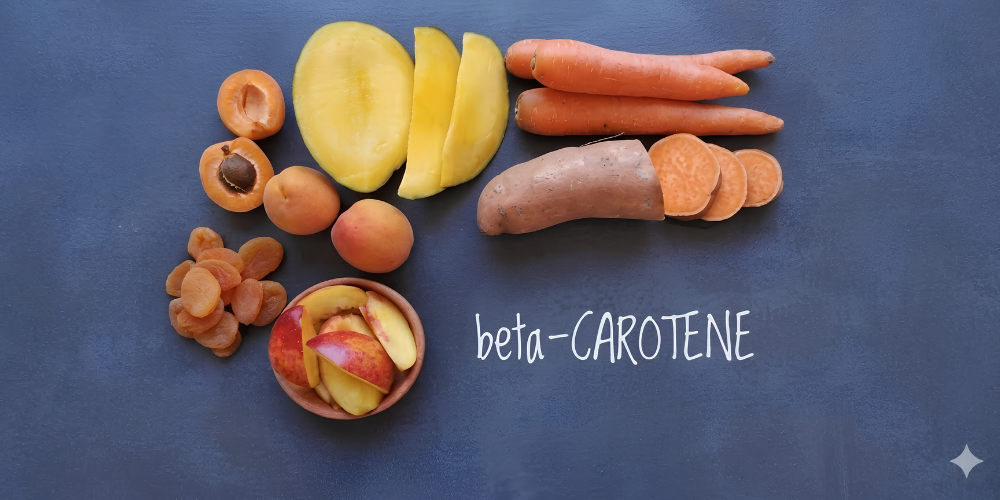
Beta carotene is naturally abundant in many colorful fruits and vegetables. Generally, foods with deep orange, yellow, and dark green pigmentation contain the highest concentrations.
Some of the richest dietary sources include:
- Carrots
- Sweet potatoes
- Pumpkin
- Butternut squash
- Spinach
- Kale
- Collard greens
- Red and yellow peppers
- Apricots
- Mangoes
- Cantaloupe melon
Because beta carotene is a fat-soluble compound, consuming these foods with a source of healthy dietary fat, such as olive oil, nuts, seeds, or avocado, may improve absorption and increase its biological availability.
A varied diet rich in colorful plant foods remains one of the most effective ways to maintain adequate beta carotene intake.
Key Health Benefits of Beta Carotene
Beta carotene provides a wide range of health benefits due to its strong antioxidant activity and its essential role as a precursor to vitamin A. These combined functions make it an important nutrient for overall wellness, cellular protection, and long-term health support.
Supports Eye Health and Vision
One of the most well-known roles of beta carotene is its contribution to healthy vision. Through its conversion into vitamin A, it supports the maintenance of the retina and helps promote normal visual function, especially in low-light conditions.
Strengthens Immune Function
Beta carotene plays an important role in supporting immune health by helping maintain the integrity of immune cells and promoting balanced inflammatory responses. This contributes to the body’s natural defense mechanisms.
Promotes Skin Health
As a powerful antioxidant, beta carotene helps protect skin cells from oxidative stress caused by environmental factors such as UV exposure and pollution. This supports healthier skin structure and a more resilient appearance.
Supports Healthy Aging
By reducing oxidative damage at the cellular level, beta carotene contributes to healthy aging processes and supports overall cellular function and longevity.
Provides Antioxidant Protection
Beta carotene helps neutralize free radicals, which are unstable molecules that can contribute to cellular damage over time. This antioxidant action supports cardiovascular, metabolic, and general health.
Supports General Wellness and Vitality
Regular intake of beta carotene contributes to balanced nutrition, supports energy metabolism, and promotes overall physiological performance and vitality.
Who May Benefit from Beta Carotene Supplementation?
While many people can meet their beta carotene needs through a balanced diet, supplementation may be helpful in certain situations where dietary intake is insufficient or nutritional demands are higher.
Individuals who may benefit include:
- People with low fruit and vegetable consumption
- Older adults with reduced nutritional intake
- Individuals exposed to high levels of oxidative stress
- People seeking additional antioxidant support
- Those following restrictive or limited diets
- Individuals focused on eye health and healthy aging
- People with increased nutritional requirements due to lifestyle or health factors
However, beta carotene supplements should be used to complement, not replace, a nutrient-rich and balanced diet based on whole foods.
How to Use Beta Carotene Effectively
To maximize the benefits of beta carotene, consistency plays a more important role than occasional high intake. Supporting the body with steady, balanced intake allows for better absorption and utilization over time.
Helpful recommendations include:
- Consume beta carotene with meals that contain healthy fats to improve absorption
- Prioritize whole-food sources such as fruits and vegetables whenever possible
- Follow supplement manufacturer guidelines when using beta carotene products
- Combine intake with a diet rich in other antioxidants for synergistic effects
- Maintain consistent daily intake rather than irregular or sporadic use
A well-rounded nutritional approach generally provides more sustainable long-term benefits compared to relying on a single nutrient alone.
Recommended Dosage and Daily Intake Considerations
There is no single universal daily requirement for beta carotene, as its conversion into vitamin A varies depending on individual needs, diet, and overall health status.
General considerations include:
- Prioritizing beta carotene intake from natural food sources as the primary option
- Carefully following supplement label instructions when using products
- Avoiding unnecessarily high doses without professional supervision
- Adjusting intake based on individual nutritional needs and lifestyle factors
In most cases, moderate intake through a balanced diet is considered both safe and effective for long-term wellness support.
Possible Side Effects and Safety Considerations
Beta carotene is generally safe when consumed through food and used appropriately in supplement form. However, certain considerations should be kept in mind.
Possible considerations include:
- Temporary yellow-orange discoloration of the skin (carotenemia) in cases of very high intake
- Mild digestive discomfort in some individuals
- Potential interactions with certain medical conditions or medications
Research also suggests that individuals who smoke or have a history of heavy smoking should avoid high-dose beta carotene supplementation unless specifically advised by a healthcare professional.
As with all dietary supplements, balanced intake and individualized guidance are essential for safe and effective use.
Recommended Beta Carotene Supplements
Explore high-quality beta carotene supplements:
Explore Beta Carotene Products
FAQ
1. Is beta carotene the same as vitamin A?
No. Beta carotene is a precursor that the body converts into vitamin A as needed, helping maintain balanced vitamin A levels naturally.
2. Can beta carotene improve skin health?
Yes. Its antioxidant properties may help protect skin cells from oxidative stress and support healthier skin appearance and healthy aging.
3. Can you take beta carotene supplements daily?
For most healthy adults, beta carotene supplements can be used daily when taken according to recommended guidelines and appropriate dosage levels.
4. Who should avoid high-dose beta carotene supplements?
Individuals who smoke or have certain medical conditions should consult a healthcare professional before using high-dose beta carotene supplements.
Conclusion
Beta carotene is a powerful natural nutrient that plays an essential role in supporting vision, immune function, skin health, antioxidant defense, and overall wellness. Its dual function as both an antioxidant and a vitamin A precursor makes it one of the most valuable compounds for long-term health support.
Whether obtained through a diet rich in colorful fruits and vegetables or through carefully selected supplements, beta carotene can contribute to healthy aging, cellular protection, and daily vitality. When used appropriately as part of a balanced lifestyle, it remains an important component of comprehensive wellness and nutritional balance.