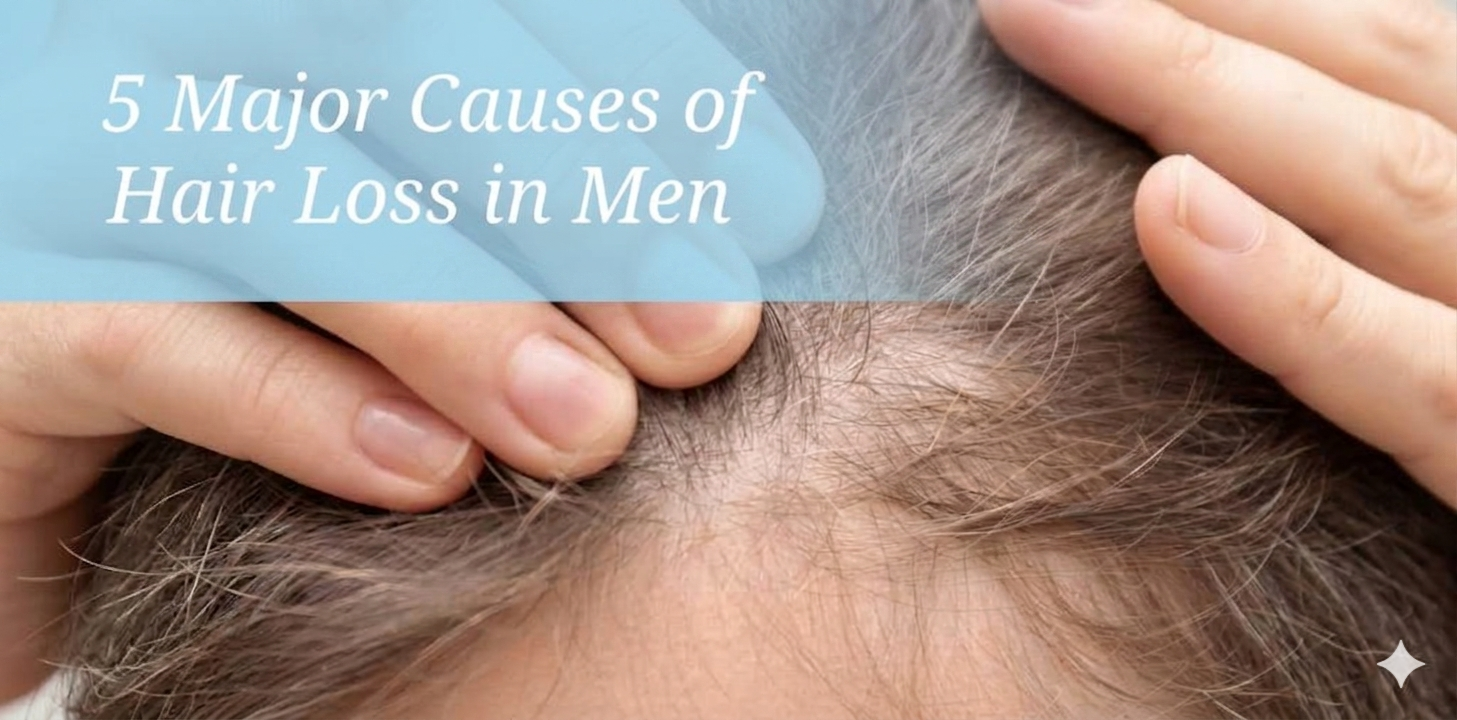


Hair loss in men is one of the most common aesthetic and health concerns worldwide, affecting confidence, self-image, and overall well-being. While genetics plays a major role, it is not the only reason behind thinning hair or receding hairlines. Lifestyle habits, hormonal changes, stress levels, and nutritional deficiencies can all contribute to weakening hair follicles over time.
The good news is that not all hair loss is permanent. Understanding the root cause is the first step toward choosing the right solution. Many cases can be managed—and even improved—through natural, science-backed approaches that support scalp health, strengthen follicles, and encourage healthy regrowth.
This article explores the 5 main causes of hair loss in men and explains how to treat each one naturally and effectively.
Table of Contents
- What Is Male Hair Loss and Why It Happens
- Cause 1: Genetic Hair Loss (Androgenetic Alopecia)
- Cause 2: Hormonal Imbalance (DHT Sensitivity)
- Cause 3: Nutritional Deficiencies
- Cause 4: Stress and Lifestyle Factors
- Cause 5: Scalp Problems (Dandruff & Inflammation)
- How to Identify Your Hair Loss Type
- Natural Treatments That Support Hair Regrowth
- Best Daily Hair Care Routine for Men
- FAQ
- Conclusion
What Is Male Hair Loss and Why It Happens?
Male hair loss is a gradual or sometimes rapid reduction in hair density caused by disruption in the natural hair growth cycle. Hair follicles normally go through three phases: growth (anagen), transition (catagen), and resting/shedding (telogen). When this cycle is affected, more hairs enter the shedding phase too early, and regrowth becomes weaker or slower.
Hair loss in men is rarely caused by a single factor. In most cases, it is a combination of genetics, hormones, nutrition, stress, and scalp health. Understanding these factors is essential for choosing the right approach to manage or slow down the condition.
Cause 1: Genetic Hair Loss (Androgenetic Alopecia)
Genetic hair loss is the most common form of male pattern baldness. It is inherited and typically follows a predictable pattern, such as a receding hairline or thinning at the crown.
The main driver behind this condition is sensitivity to dihydrotestosterone (DHT), a hormone derived from testosterone. Over time, DHT causes hair follicles to shrink (miniaturization), producing thinner and shorter hair until growth eventually stops.
Natural support approach:
While genetics cannot be reversed, progression can often be slowed. Natural approaches include scalp stimulation through regular massage, improving circulation, and using plant-based ingredients such as rosemary oil and saw palmetto, which may help support a healthier scalp environment.
Cause 2: Hormonal Imbalance (DHT Sensitivity)
Hormonal imbalance does not always mean abnormal hormone levels; it often refers to how the body responds to hormones like testosterone and DHT. Some men have higher sensitivity in their hair follicles, making them more vulnerable to hair thinning even with normal hormone levels.
This imbalance can be influenced by age, diet, sleep quality, and metabolic health.
Natural support approach:
Supporting hormonal balance involves lifestyle adjustments such as regular exercise, quality sleep, and reducing processed foods. Nutrients like zinc, magnesium, and omega-3 fatty acids can also support normal hormone function and reduce excessive hair shedding.
Cause 3: Nutritional Deficiencies
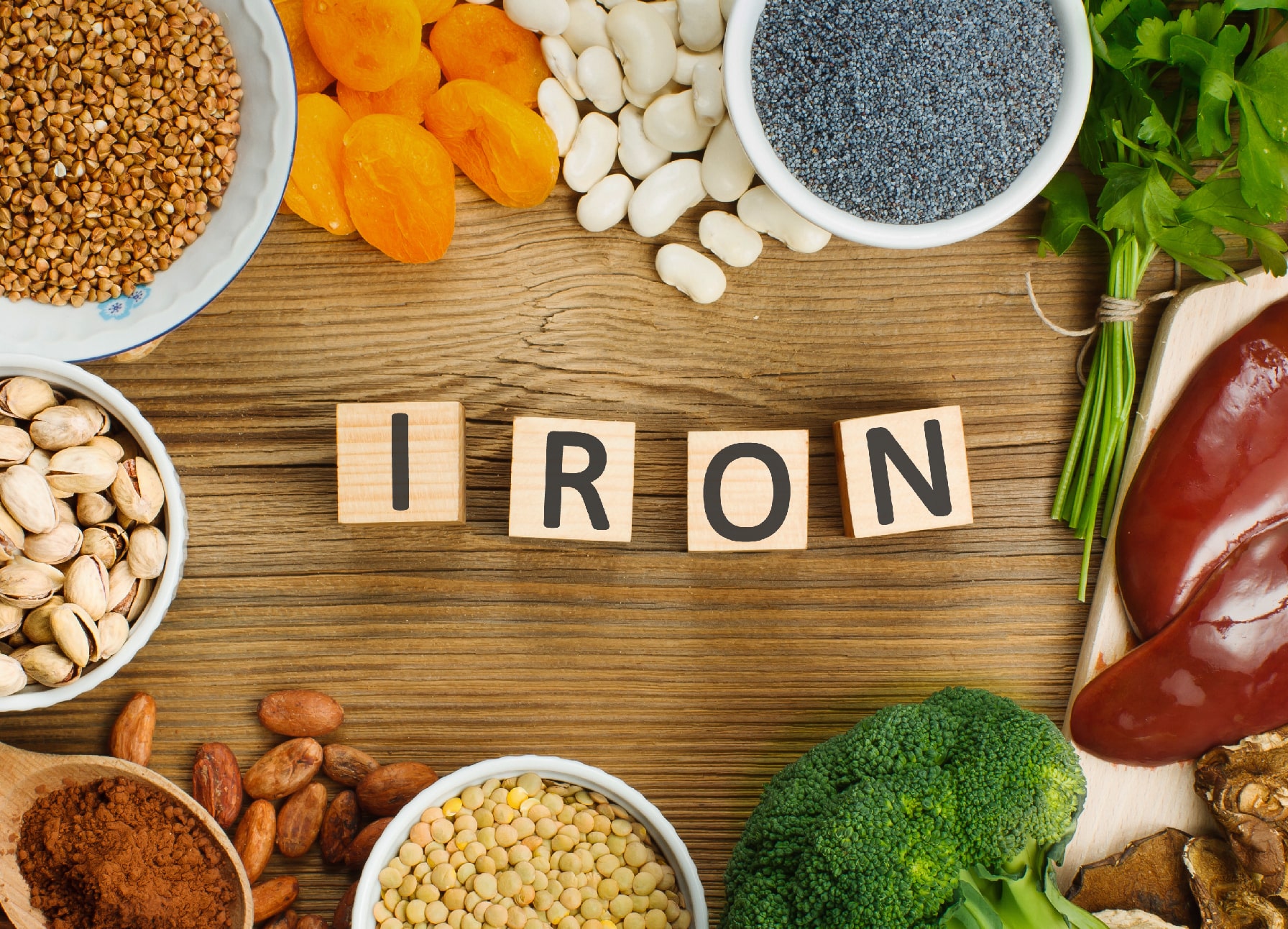
Hair is a protein-based structure that requires a steady supply of nutrients to grow properly. Deficiencies in iron, vitamin D, zinc, biotin, and protein are strongly linked to increased hair shedding and weak hair structure.
When the body lacks essential nutrients, it prioritizes vital organs over hair growth, leading to slower regeneration and increased hair fall.
Natural support approach:
A balanced diet rich in lean proteins, leafy greens, eggs, nuts, seeds, and fruits can significantly improve hair strength. In some cases, supplementation may be necessary under professional guidance to correct deficiencies and restore healthy growth cycles.
Cause 4: Stress and Lifestyle Factors
Chronic stress is a major but often underestimated cause of hair loss. Stress triggers hormonal changes that push more hair follicles into the resting phase, leading to noticeable shedding known as telogen effluvium.
Poor sleep, smoking, alcohol consumption, and lack of physical activity can further worsen the condition by reducing blood flow and oxygen supply to the scalp.
Natural support approach:
Stress management techniques such as meditation, regular exercise, and proper sleep hygiene can help restore balance. Even simple changes like daily walking or reducing caffeine intake can positively impact hair health over time.
Cause 5: Scalp Problems (Dandruff & Inflammation)
A healthy scalp is essential for healthy hair growth. Conditions such as dandruff, seborrheic dermatitis, or chronic inflammation can block follicles and weaken hair roots.
Excess oil, fungal overgrowth, and poor hygiene can also contribute to an unhealthy scalp environment, leading to itching, flaking, and increased hair fall.
Natural support approach:
Maintaining a clean scalp with gentle cleansing is essential. Natural ingredients like tea tree oil and aloe vera can help soothe inflammation and reduce microbial buildup. Regular exfoliation of the scalp can also help remove dead skin cells and improve follicle function.
Natural Treatments That Support Hair Regrowth
Natural approaches to hair loss focus on improving scalp health, reducing inflammation, and supporting follicle strength. While results vary depending on the cause and severity, many men notice gradual improvement with consistent care.
Key natural treatments include scalp massage to stimulate blood circulation, the use of plant-based oils such as rosemary oil, and nutrients that support hair structure from within.
These methods do not work instantly, but they help create a healthier environment for hair growth and may reduce shedding over time.
Consistency is key, as natural treatments typically require several weeks to months to show visible improvement.
Best Daily Hair Care Routine for Men
A simple and consistent routine can significantly improve scalp health and reduce hair loss progression.
Morning or Daily Care
- Use a mild shampoo suitable for your scalp type
- Avoid harsh chemicals and excessive washing
- Maintain a balanced diet and proper hydration
Weekly Care
- Apply scalp massage with natural oils 2–3 times per week
- Use a gentle exfoliating scalp treatment once weekly
- Incorporate a nourishing hair mask if needed
Lifestyle Habits
- Ensure 7–8 hours of sleep daily
- Manage stress through physical activity or relaxation techniques
- Avoid smoking and excessive alcohol consumption
A consistent routine focused on scalp health and internal balance is one of the most effective long-term strategies for managing hair loss naturally.
FAQ
1. Can hair loss in men be reversed naturally?
In many cases, early-stage hair loss can be slowed or partially reversed with consistent natural care, proper nutrition, and scalp treatment. Advanced genetic hair loss may require medical support.
2. What is the most common cause of hair loss in men?
The most common cause is genetic hair loss (androgenetic alopecia), which is linked to sensitivity to DHT hormone.
3. How long does natural treatment take to show results?
Visible improvement usually takes 8–12 weeks of consistent treatment, depending on the cause and severity.
4. Can diet really affect hair loss?
Yes. Deficiencies in iron, zinc, protein, and vitamins can directly weaken hair follicles and increase shedding.
5. Is stress-related hair loss permanent?
No. Stress-related hair loss is usually temporary and reversible once stress levels are controlled and the body recovers.
Conclusion
Hair loss in men is a multi-factor condition rather than a single cause problem. Each factor—from genetics to stress, hormones, nutrition, and scalp health—affects the hair growth cycle in different ways.
The most effective approach is identifying the root cause and applying targeted natural strategies consistently rather than relying on a single solution.
With proper scalp care, balanced nutrition, stress management, and supportive natural ingredients, it is possible to reduce excessive shedding and improve overall hair strength, density, and scalp health over time.