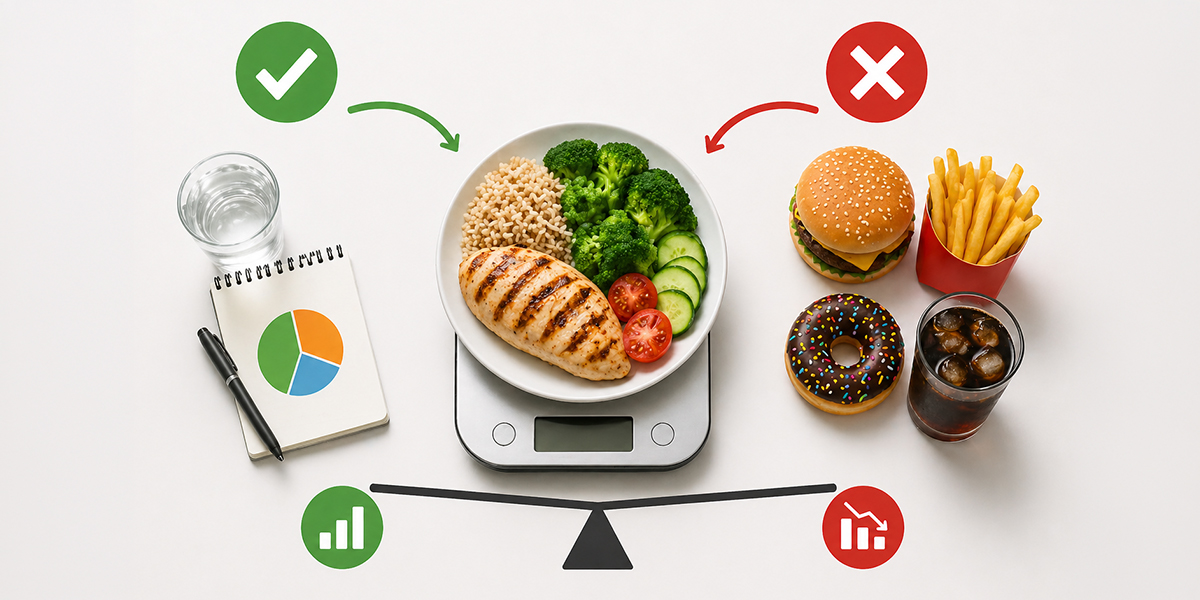


Calorie tracking has become a widely used tool for managing weight and achieving health goals, whether the aim is fat loss, muscle gain, or weight maintenance. However, it is not essential for everyone. The need for tracking depends on individual goals, lifestyle, and relationship with food.
Understanding how calories work and how to manage them effectively can help individuals make smarter dietary decisions and achieve more sustainable results. A balanced plan may also include supportive nutrition choices such as protein, vitamins, minerals, and omega-3 when needed.
Benefits of Calorie Tracking
Tracking calories helps individuals understand how much energy they consume versus how much they burn, making weight management more precise. It gives a clearer picture of actual food intake instead of relying only on rough estimations.
Key benefits include:
- Better control over weight changes
- Clear identification of calorie surplus or deficit
- Increased awareness of daily eating habits
- Ability to adjust diet based on real results
- More accurate progress toward weight loss or weight gain goals
For example, someone trying to lose fat may discover that hidden calories from snacks, drinks, or sauces are slowing progress. Someone aiming to build muscle may also realize they need more total calories and enough protein to support training goals.
Who Benefits Most from Calorie Tracking?
Calorie tracking is especially useful for people who need more precision in their nutrition. This usually includes individuals with specific body composition, performance, or structured diet goals.
People who may benefit most include:
- People who are overweight and aiming to lose fat
- Individuals with specific goals such as cutting or bulking
- Athletes and regular gym-goers
- Those following structured diet plans
- People struggling with weight plateaus
In these cases, calorie tracking can help identify issues and fine-tune the plan. It can also make it easier to balance calories with macronutrients, hydration, and supportive nutrients from vitamins and minerals when the diet lacks variety.
When Is Calorie Tracking Not Necessary?
Not everyone needs to track every meal or count every calorie. Some individuals can maintain a healthy weight without strict tracking, especially when they already have strong eating habits and stable routines.
Calorie tracking may not be necessary for people who:
- Follow balanced eating habits naturally
- Have good awareness of hunger and fullness cues
- Avoid overeating without needing detailed tracking
- Focus on food quality rather than quantity
- Do not have strict weight or performance goals
For these individuals, mindful eating, portion control, and balanced meals may be enough. The goal should always be sustainable nutrition, not unnecessary stress around numbers.
Smart Tips for Calorie Tracking
To make calorie tracking effective without becoming overwhelming, it should be simple, realistic, and flexible. The purpose is to improve awareness and guide decisions, not to create pressure.
- Use reliable apps to simplify food logging
- Focus on food quality, not just numbers
- Avoid turning tracking into a source of stress
- Treat it as a learning tool to improve habits
- Review progress periodically rather than obsessing daily
- Aim for consistency, not perfection
A good nutrition plan should also pay attention to satiety, digestion, energy levels, and recovery. This is why many people combine calorie awareness with balanced meals, enough protein, healthy fats such as omega-3, and nutrient-dense foods.
FAQ
Do I need to track calories to lose weight?
Not always. Weight loss depends on a calorie deficit, but some people can achieve it through portion control, mindful eating, and healthier food choices without tracking every calorie.
Is calorie tracking useful for muscle gain?
Yes. Tracking can help ensure you are eating enough calories and enough protein to support muscle growth and recovery.
Should I track calories every day?
It depends on your goal. Some people track daily for precision, while others track temporarily to learn their habits and then move to a more flexible approach.
What matters more: calories or food quality?
Both matter. Calories influence weight change, while food quality affects health, energy, digestion, and long-term consistency.
Conclusion
Calorie tracking is a powerful and effective tool for managing weight and achieving nutrition goals, but it is not necessary for everyone. Its usefulness depends on lifestyle, goals, and the need for precision.
When used mindfully and flexibly, calorie tracking can significantly improve dietary awareness and results without leading to unnecessary stress or over-fixation on numbers. The best approach is one that combines awareness, balanced food choices, enough protein, and supportive nutrition from vitamins, minerals, and omega-3 when needed.