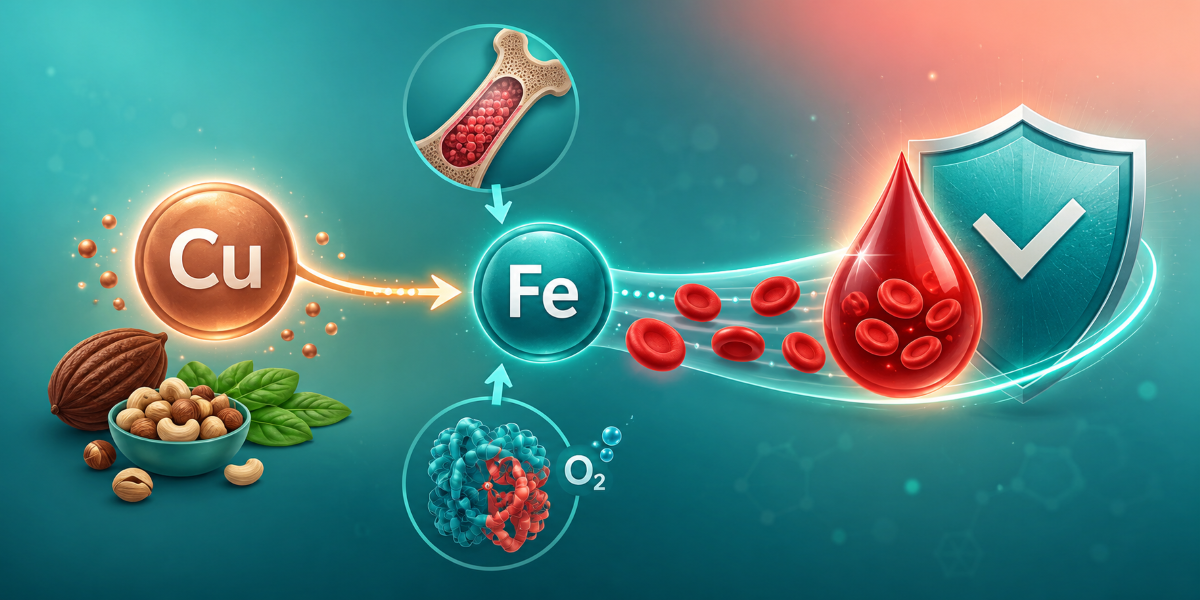


Copper is an essential trace mineral that plays an important role in iron metabolism, red blood cell formation, and overall energy production.
Adequate copper levels help the body utilize iron efficiently and support healthy hemoglobin production, which may reduce the risk of certain types of anemia linked to poor iron transport or utilization.
Table of Contents
Why Copper Matters for Blood Health
Copper supports several biological processes involved in oxygen transport, energy metabolism, and the formation of healthy red blood cells.
Although iron is often the main mineral discussed in relation to anemia, copper is also important because it helps the body move and use iron properly.
Without enough copper, the body may struggle to transport iron efficiently, even when dietary iron intake appears adequate.
Copper and Iron Transport
Copper is involved in the activity of enzymes such as ceruloplasmin, which helps convert iron into a form that can be transported in the blood.
This process allows iron to bind to transferrin, the main protein responsible for delivering iron to tissues and bone marrow.
When this system works properly, iron can be moved from storage sites and delivered where it is needed for red blood cell production.
| Nutrient | Main Role | Impact on Blood Health |
|---|---|---|
| Copper | Supports iron transport and enzyme activity | Helps iron move efficiently to tissues and bone marrow |
| Iron | Supports hemoglobin production | Helps red blood cells carry oxygen |
| Vitamin C | Supports non-heme iron absorption | May improve iron uptake from plant foods |
Red Blood Cell Formation
Copper supports the proper use of iron in hemoglobin synthesis.
Hemoglobin is the protein inside red blood cells that carries oxygen throughout the body. When copper levels are sufficient, the body can use iron more efficiently to support healthy red blood cell production.
This relationship makes copper an important supporting nutrient for energy, stamina, and oxygen delivery.
Copper Deficiency and Anemia
Low copper levels can impair iron transport and utilization, which may contribute to anemia-like symptoms.
In some cases, copper deficiency may lead to functional iron deficiency, meaning iron intake may be adequate, but the body cannot use or transport it properly.
Symptoms may include fatigue, weakness, pale skin, reduced physical performance, shortness of breath during exertion, and low energy levels.
- Fatigue and low energy
- Weakness or reduced stamina
- Pale skin
- Reduced physical performance
- Possible anemia despite adequate iron intake
- Poor response to iron supplementation in some cases
Sources of Copper to Support Iron Metabolism
Copper can be obtained through a balanced diet that includes nuts, seeds, seafood, organ meats, legumes, whole grains, and vegetables.
Including a variety of copper-containing foods may help support mineral balance and healthy iron metabolism.
- Nuts and seeds such as cashews, almonds, sunflower seeds, and sesame seeds.
- Organ meats such as liver.
- Seafood such as oysters, shellfish, and some fish.
- Whole grains such as oats and whole wheat.
- Legumes such as lentils, beans, and chickpeas.
- Dark leafy vegetables.
- Cocoa and dark chocolate in moderate amounts.
Practical Tips for Better Mineral Balance
Maintaining balanced intake of both copper and iron is important for optimal blood health.
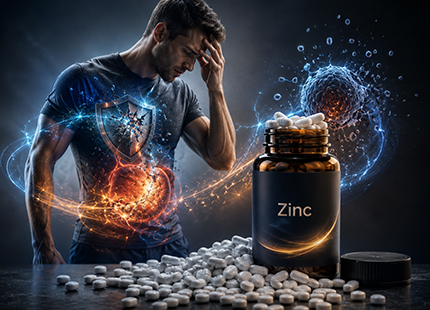
It is also important to avoid excessive zinc supplementation, as high zinc intake may reduce copper absorption and increase the risk of copper deficiency over time.
If anemia persists despite adequate iron intake, medical evaluation may help identify whether copper status or other nutritional and medical factors are involved.
- Ensure balanced intake of both iron and copper.
- Avoid unnecessary high-dose zinc supplements unless advised by a healthcare professional.
- Eat a varied diet that includes nuts, seeds, legumes, seafood, and whole grains.
- Do not self-treat persistent anemia without testing.
- Consider medical evaluation if fatigue or anemia continues despite iron supplementation.
- Check supplement labels to avoid mineral imbalance from overlapping products.
Frequently Asked Questions
How does copper help with iron metabolism?
Copper supports enzymes involved in converting iron into a form that can bind to transferrin and be transported in the blood.
Can copper deficiency cause anemia?
Yes. Low copper levels may impair iron transport and utilization, which can contribute to certain types of anemia or anemia-like symptoms.
Can anemia happen even if iron intake is adequate?
Yes. If copper is low or iron transport is impaired, the body may not use iron efficiently, even when iron intake appears sufficient.
What foods are rich in copper?
Good sources include nuts, seeds, seafood, organ meats, legumes, whole grains, dark leafy vegetables, and cocoa products.
Can too much zinc affect copper levels?
Yes. Excessive zinc intake may reduce copper absorption, so long-term high-dose zinc supplementation should be used carefully.
Conclusion
Copper is essential for the efficient transport and utilization of iron, making it an important factor in supporting healthy red blood cell production and reducing the risk of certain forms of anemia.
Maintaining adequate copper levels through a balanced diet, avoiding unnecessary high-dose zinc, and investigating persistent anemia properly can support better blood health, energy, and overall vitality.