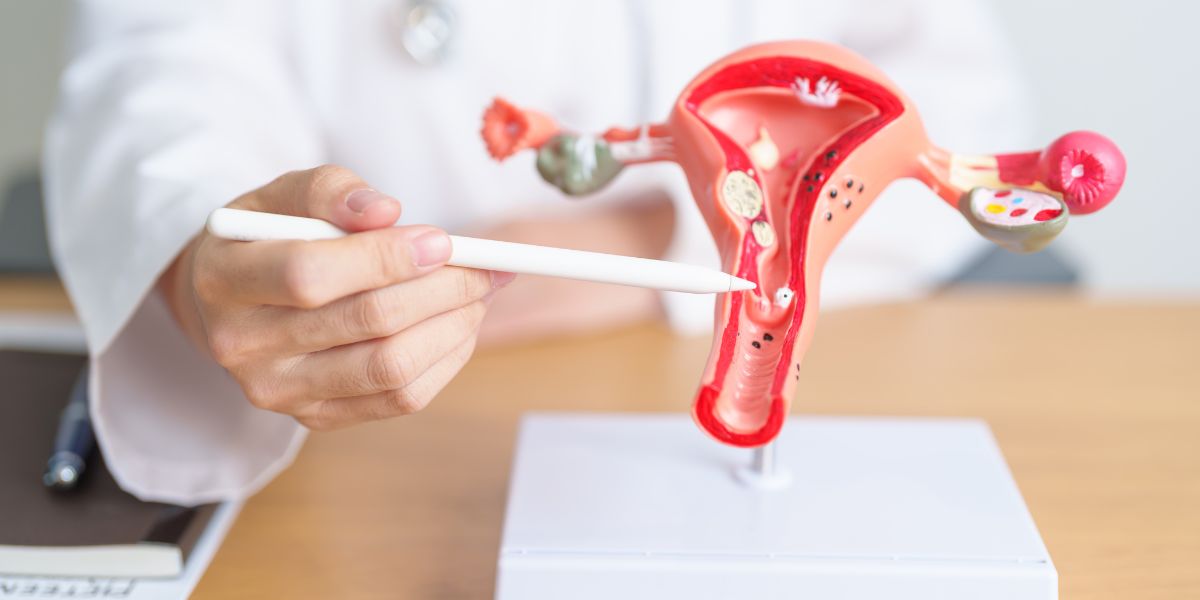


Polycystic Ovary Syndrome (PCOS) is a common hormonal disorder affecting women of reproductive age. This syndrome disrupts the hormonal balance, leading to the development of small cysts on the ovaries and menstrual cycle irregularities.
In this article, we will explore the causes of PCOS, its symptoms, diagnostic methods, available treatments, and nutritional tips to improve the condition.
What is Polycystic Ovary Syndrome?
PCOS is a health condition that affects the endocrine system and causes hormonal imbalances in women. This disorder leads to increased production of male hormones (androgens) and a deficiency in progesterone, which affects the ovulation process and makes pregnancy difficult in some cases.
Causes of Polycystic Ovary Syndrome
There is no single definitive cause for PCOS, but several factors may contribute to its development, including:
- Genetic Factors: If there is a family history of PCOS, the likelihood of developing it increases.
- Insulin Resistance: High levels of insulin in the blood can lead to increased production of male hormones.
- Unhealthy Lifestyle: An unbalanced diet and lack of physical activity can worsen symptoms.
- Chronic Inflammation: May contribute to increased androgen production.
Symptoms of Polycystic Ovary Syndrome
Symptoms of PCOS vary from woman to woman, but the most common symptoms include:
- Irregular or absent menstrual periods.
- Increased hair growth in unwanted areas (face, chest, abdomen).
- Acne and oily skin.
- Weight gain or difficulty losing weight.
- Hair loss or thinning.
- Difficulty getting pregnant due to irregular ovulation.
- Increased risk of developing type 2 diabetes, cardiovascular disease.
- Depression and mood swings.
- Pelvic pain and sleep apnea.
Diagnosis of Polycystic Ovary Syndrome
PCOS is diagnosed through:
- Clinical Examination: To detect visible symptoms such as increased hair growth or acne.
- Blood Tests: To measure hormone levels such as androgens and insulin.
- Ultrasound: To detect the presence of cysts on the ovaries.
Treatment of Polycystic Ovary Syndrome
There is no cure for PCOS, but there are several ways to manage symptoms and improve quality of life:
-
Lifestyle Changes
- Losing excess weight.
- Regular exercise (45 minutes, 4-5 times a week).
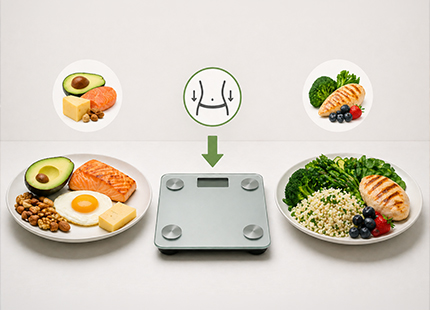
- Following a healthy diet rich in fiber and low in sugar.
-
Medications
- Medications to regulate the menstrual cycle such as Diane and Yasmin.
- Ovulation-stimulating drugs such as Clomiphene (Clomid) and Letrozole (Femara).
- Insulin-sensitizing drugs such as Metformin (Glucophage).
-
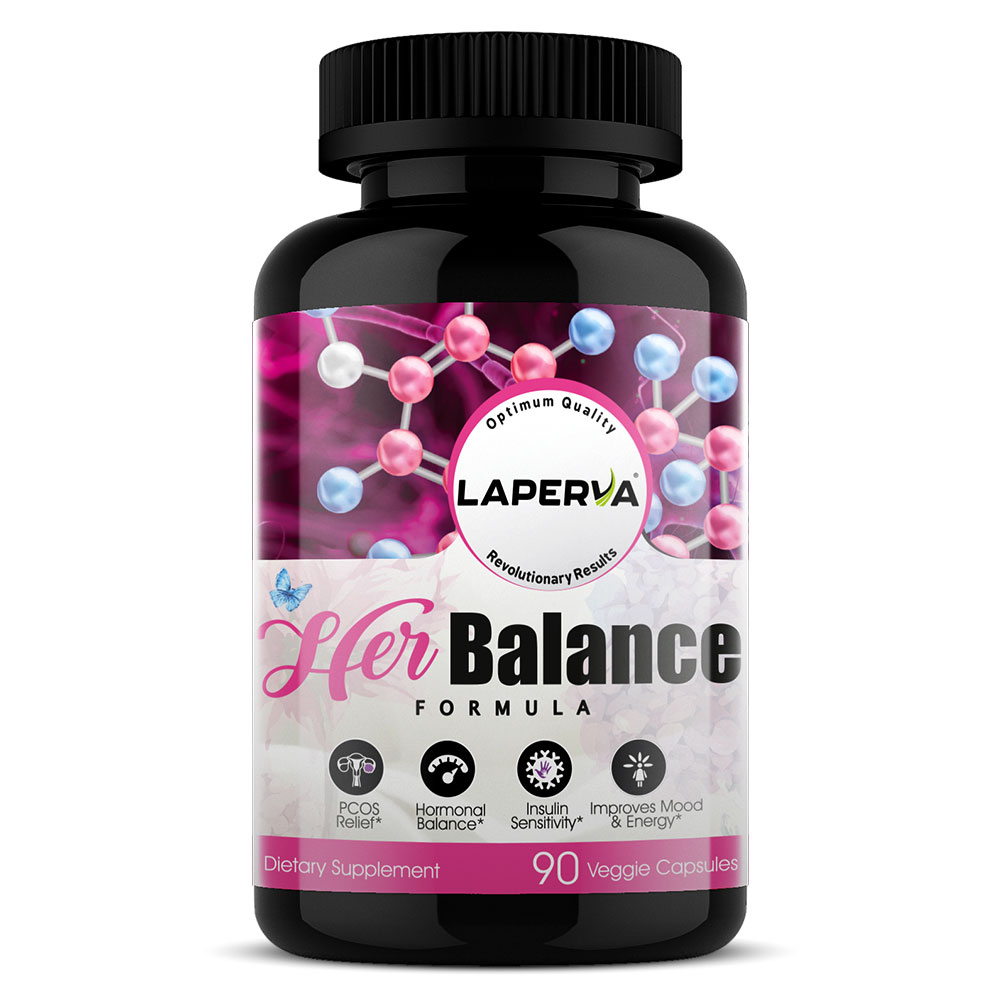
Nutritional Supplements
- Omega-3: Found in fatty fish and vegetables such as broccoli and cabbage.
- Berberine: Helps reduce insulin resistance and abdominal fat.
- Inositol: Promotes ovulation and reduces male hormones.
- Vitamin B9 (Folic Acid): Important for improving fertility.
- Apple Cider Vinegar: Increases the sensitivity of cells to insulin.
- Magnesium: Improves insulin sensitivity and reduces stress.
- Zinc: Reduces excessive hair growth and strengthens the immune system.
- Reishi Mushroom: Reduces stress and inhibits excessive hair growth.
Nutritional Tips for PCOS Patients
- Eat foods rich in omega-3: such as fatty fish and vegetables.
- Low-sugar fruits: such as strawberries and blueberries.
- Whole grains: preferably gluten-free.
- Avoid saturated fats: such as red meat, cheeses, and fried foods.
- Avoid soy, corn, wheat, and sugar products.
Conclusion
PCOS is a health condition that can be effectively managed through lifestyle changes and medical treatments. If you are experiencing symptoms of PCOS, do not hesitate to consult a doctor for diagnosis and appropriate treatment.