

Lutein and Eye & Vision Health: A Complete Science-Backed Guide
Introduction
Lutein is one of the most important carotenoids for maintaining long-term eye health and protecting vision from age-related decline. Naturally concentrated in the retina, it acts as a powerful antioxidant that helps filter harmful blue light and reduce oxidative stress on eye tissues. With increasing screen exposure and environmental strain, lutein has become a key nutrient in modern eye care strategies.
Table of Contents
What is Lutein?
Lutein is a naturally occurring carotenoid found in plants, algae, and human eye tissue. It belongs to the same antioxidant family as beta-carotene and zeaxanthin. Since the body cannot produce lutein on its own, it must be obtained through diet or supplements.
Key Functions:
- Acts as a powerful antioxidant
- Filters harmful blue light
- Supports macular pigment density
- Protects retinal cells from oxidative damage
Lutein and Eye & Vision Health
Lutein plays a direct role in maintaining visual performance and long-term eye protection.
Key Benefits for Eyes:
- Supports Macular Health: Concentrates in the macula, the part of the eye responsible for sharp central vision
- Blue Light Protection: Reduces damage from digital screens and UV exposure
- Reduces Eye Strain: Helps improve visual comfort during prolonged screen use
- May Support Age-Related Eye Conditions: Associated with reduced risk of age-related macular degeneration (AMD)
- Improves Visual Contrast: Enhances clarity and sharpness in vision
Natural Sources of Lutein
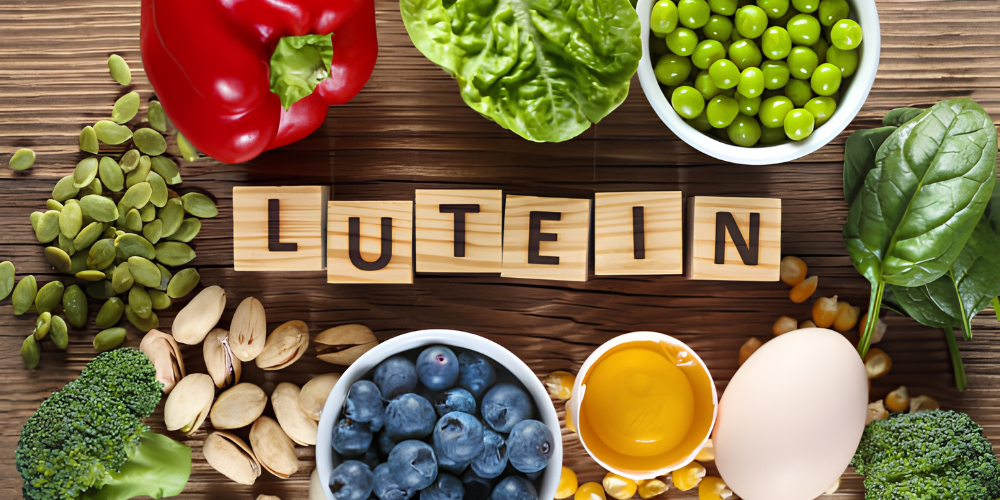
Lutein is widely found in colorful fruits and vegetables, especially green leafy vegetables.
Rich Food Sources:
- Spinach
- Kale
- Broccoli
- Peas
- Corn
- Egg yolk (highly bioavailable form)
- Zucchini
- Orange peppers
Tip: Lutein is fat-soluble, so consuming it with healthy fats (olive oil, avocado) improves absorption.
How to Take Lutein (Dosage & Tips)?
Recommended Dosage
- General eye support: 6–10 mg daily
- High screen exposure or eye strain: 10–20 mg daily
- Advanced eye health support (under guidance): up to 20 mg
Best Practices
- Take with meals containing healthy fats
- Combine with zeaxanthin for better eye protection
- Consistent daily use is more effective than occasional intake
- Morning or lunch intake is preferred for absorption
Recommended Lutein Products
When choosing a supplement, quality, purity, and combination formulas matter more than high dosage alone.
Lutein Products
https://drnutrition.com/en-ae/search?q=Lutein
Eye & Vision Health Products
https://drnutrition.com/en-ae/search?categories%5B%5D=Eye+%26+Vision+Health
FAQ
1. Is lutein good for daily use?
Yes, lutein is safe for long-term daily use when taken within recommended doses.
2. How long does it take to see results?
Most users notice benefits in 4–8 weeks, especially in eye strain and visual comfort.
3. Can lutein improve vision naturally?
Lutein does not correct refractive errors but supports eye health and may improve visual performance and clarity.
4. Is lutein safe for children?
Generally safe from dietary sources; supplements should only be used under medical advice.
5. What is better: food or supplements?
Food is ideal for baseline intake, but supplements are effective for targeted eye support.
Conclusion
Lutein is a vital nutrient for protecting the eyes in a modern, screen-heavy lifestyle. By supporting the macula, reducing oxidative stress, and filtering blue light, it plays a key role in maintaining long-term vision health. A combination of a lutein-rich diet and high-quality supplementation offers the most effective approach for optimal eye protection and visual performance.