


Proteins are vital biological molecules made up of long chains of amino acids. They are considered essential nutrients for the human body. Protein is responsible for building muscle tissue, bones, skin, and hair, and it plays a crucial role in many body functions, such as transporting oxygen through hemoglobin in the blood.
Protein Structure
Proteins are composed of 20 different amino acids, including 9 essential amino acids that must be obtained through food. These amino acids combine to form proteins that perform numerous biological functions. Proteins are involved in the formation of enzymes, hormones, and antibodies that support the immune system and help fight diseases.
Benefits of Protein
Protein is not only important for building muscles; it also helps with:
Improving metabolism:
Protein increases the body’s metabolic rate because it requires more energy to digest compared to carbohydrates and fats.
Promoting satiety:
Protein can reduce appetite and increase feelings of fullness, which may help with weight management.
Supporting the immune system:
Proteins contribute to the production of antibodies that fight infections and enhance overall health.
Supporting growth and development:
Protein is essential for children and adolescents, as it plays a key role in tissue and organ development during growth phases.
Sources of Protein
Protein can be obtained from various sources, classified into two main categories:
Animal Sources
Such as red meat, chicken, fish, eggs, and dairy products (milk, yogurt, cheese). These are high-quality proteins containing all essential amino acids.
Plant Sources
Including legumes (lentils, beans), nuts, and whole grains. These sources may need to be combined to provide all essential amino acids but are ideal for vegetarians.
Practical example:
Half a cup of cooked lentils contains about 9 grams of protein, while one large egg contains approximately 6 grams of protein, highlighting the value of different protein sources.
Recommended Daily Protein Intake
The recommended protein intake varies depending on age, gender, and activity level:
Children and Adolescents
They require higher protein intake to support growth. Approximately 0.95 grams of protein per kilogram of body weight is recommended.
Average Adult
Adults generally need about 0.8 grams of protein per kilogram of body weight per day to maintain overall health and prevent muscle loss.
Athletes
Athletes require more protein to support performance and recovery. Intake typically ranges from 1.2 to 2.0 grams per kilogram of body weight, depending on the type and intensity of training. Bodybuilders may require amounts on the higher end of this range.
Special Groups
Individuals with liver or kidney disease:
They may need to reduce protein intake to avoid placing additional stress on these organs.
Pregnant or breastfeeding women:
They need increased protein intake, typically around 1.1 to 1.3 grams per kilogram of body weight, to support fetal development and milk production.
Older adults:
They may benefit from higher protein intake to preserve muscle mass and maintain strength and balance.
Protein Supplements
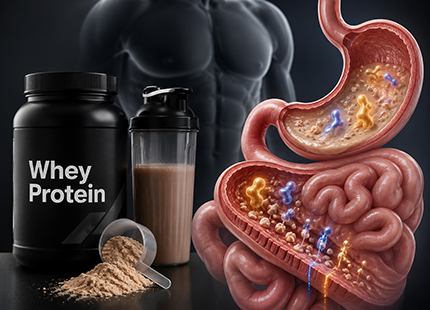
Protein supplements are available in various forms, such as whey protein, soy protein, and pea protein. They provide a convenient way to meet daily protein needs, especially for individuals who struggle to get enough protein from food alone. However, it is generally preferable to obtain protein from whole food sources to ensure intake of additional nutrients.
Potential Risks of Excess Protein
Although protein has many benefits, excessive intake may lead to:
Kidney strain:
High protein intake may place additional stress on the kidneys, particularly in individuals with pre-existing kidney conditions.
Nutrient imbalance:
Focusing heavily on protein may reduce intake of other essential nutrients like fiber and vitamins.
Weight gain:
Excess protein can contribute to weight gain if total calorie intake exceeds daily needs.
Maintaining dietary balance is essential.
High-Protein Diets
High-protein diets emphasize increased protein intake while reducing carbohydrates and fats. These diets often aim to promote weight loss and increase muscle mass. One of the most well-known high-protein diets is the Atkins diet, which promotes a low-carbohydrate lifestyle. However, it is important to consult a healthcare professional or dietitian before starting such diets.
Frequently Asked Questions
What foods are rich in protein?
Protein-rich foods include meat, fish, eggs, dairy products, nuts, and legumes such as beans and chickpeas.
What is the function of protein in the human body?
Protein is essential for building muscles, supporting the immune system, and regulating vital biological processes, contributing to overall health.
What is the best type of protein?
Whey protein is considered one of the best options for bodybuilders due to its high quality and fast absorption, while soy protein is a suitable option for vegetarians and individuals with dairy allergies.