
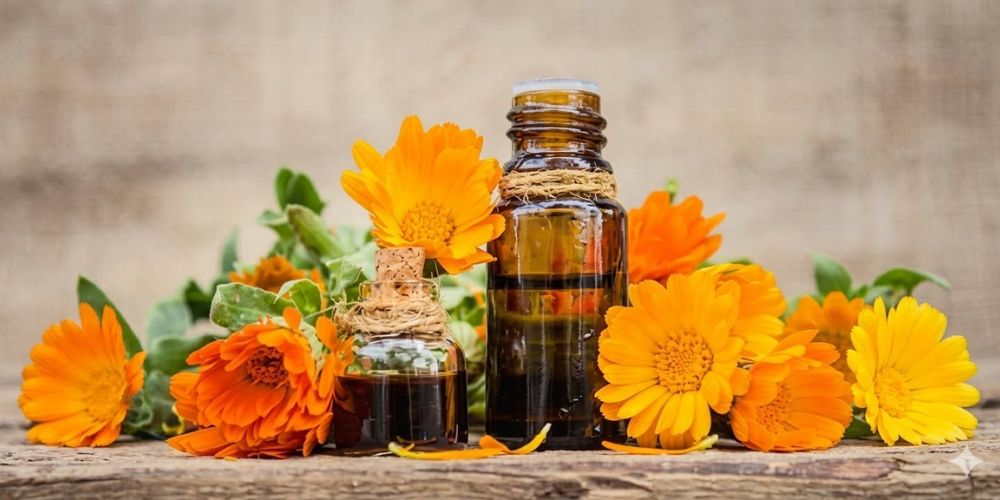


Arnica, particularly Arnica montana, is a popular botanical ingredient used in topical skin and body-care products. It has a long history of traditional use for supporting the appearance of bruised skin, minor bumps, and everyday muscle discomfort. Today, arnica is commonly found in creams, gels, oils, and other topical formulations designed to complement everyday recovery and skin-care routines.
Interest in arnica benefits has grown as more people look for plant-based options for body care. Arnica contains naturally occurring plant compounds that have been studied for their potential soothing and supportive properties. However, its benefits depend on how it is prepared and used, and topical arnica should be viewed as a complementary option rather than a replacement for medical treatment.
In particular, topical arnica is commonly used in products intended for areas affected by minor bruising, temporary discomfort, or physical activity. Arnica oil can also be incorporated into massage and body-care routines. Understanding what arnica is, how it is traditionally used, and the precautions associated with it can help you make more informed choices when selecting an arnica product.
Table of Contents
What Is Arnica?
Arnica is a flowering plant traditionally used in herbal and topical preparations, with Arnica montana being one of the best-known species. It is native to mountainous regions of Europe and has been used traditionally as an external botanical ingredient for minor injuries, bruising, and muscle discomfort.
Arnica preparations may contain extracts derived from the plant's flowers and can be formulated into creams, gels, ointments, or oils. These products are intended for topical use, allowing the botanical ingredients to be applied directly to the skin.
It is important to distinguish topical arnica from oral preparations. Concentrated arnica can be toxic when taken internally, so arnica products should be used according to their specific directions. For everyday wellness, topical formulations are generally the focus when discussing arnica benefits and uses.
Potential Benefits of Arnica
Arnica has traditionally been used as a topical botanical ingredient to support skin and body care, particularly after minor bumps, bruising, and everyday physical activity. While research into arnica continues, its naturally occurring plant compounds have attracted interest for their potential soothing and supportive properties.
Topical arnica may be particularly useful as part of a broader self-care routine for people looking for plant-based options. However, evidence varies depending on the specific preparation and intended use, so arnica should not be considered a guaranteed treatment for injuries or medical conditions.
Arnica for Bruises and Discoloration
One of the most well-known traditional uses of arnica is for bruised or discolored skin following minor bumps and everyday injuries. A bruise develops when small blood vessels beneath the skin are damaged, causing blood to collect in the surrounding tissue. The area may become temporarily discolored, tender, or swollen.
Topical arnica has been studied for its potential effect on the appearance and discomfort associated with bruising. Some research suggests that certain topical arnica preparations may help support the normal recovery of bruised skin, although findings are not consistent enough to guarantee an effect for everyone.
Arnica should not be applied to serious injuries, deep wounds, or significantly damaged skin unless specifically directed by a healthcare professional or indicated by the product label.
Arnica for Muscle Soreness and Comfort
Arnica is also commonly included in topical products designed for muscle comfort and post-activity care. People who exercise regularly or experience temporary muscle discomfort after physical activity may incorporate arnica-based creams, gels, or oils into their body-care routine.
Applying a topical product during massage can provide a soothing experience while supporting comfortable movement after everyday physical activity. Arnica oil may therefore be particularly appealing to active adults looking for a botanical ingredient to complement stretching, rest, hydration, and other recovery habits.
However, persistent, severe, or unexplained muscle pain should not be managed solely with topical products. Pain accompanied by significant swelling, weakness, or other concerning symptoms should be assessed by a healthcare professional.
Arnica and Skin Care
Beyond bruising and muscle comfort, arnica is used in a variety of topical skin-care formulations. Its botanical properties make it a popular ingredient in creams, gels, and oils intended for targeted body care.
Arnica-based products may help complement a simple skin-care routine after everyday physical activity or minor bumps. However, individual skin sensitivity can vary, and some people may experience irritation or an allergic reaction after applying arnica.
For this reason, follow the product's directions carefully and avoid applying arnica to broken or damaged skin unless the specific formulation is designed for that purpose.
Benefits of Arnica Oil
Arnica oil offers a convenient way to incorporate arnica into a topical body-care and massage routine. Depending on the formulation, it can be applied to the skin according to the manufacturer's instructions and may be particularly suitable for massage following physical activity.
Potential advantages of arnica oil include:
- Targeted topical application: Allows the product to be applied directly to areas of the body requiring care.
- Massage support: Can complement massage routines designed to promote relaxation and muscle comfort.
- Botanical body care: Provides a plant-based option for people interested in natural topical products.
- Everyday wellness: Can complement healthy recovery habits such as stretching, rest, hydration, and regular physical activity.
Overall, arnica oil is best viewed as a complementary topical product rather than a treatment for injuries or medical conditions. Choosing a well-formulated product and following its recommended directions can help you incorporate it safely into an everyday skin and body-care routine.
How to Use Arnica Topically
Topical arnica should always be used according to the instructions provided on the product label. Arnica is available in different formulations, including creams, gels, ointments, and oils, and the recommended amount and frequency can vary depending on the concentration and intended use.
When applying an arnica product, use a suitable amount and gently spread it over the intended area without aggressive rubbing. Arnica oil may also be incorporated into a gentle massage routine, particularly after everyday physical activity. Allow the product to absorb according to the manufacturer's directions.
For safe topical use:
- Follow the recommended application instructions on the product label.
- Use only the amount recommended by the manufacturer.
- Avoid contact with the eyes, mouth, and other mucous membranes.
- Do not apply to broken, irritated, or infected skin unless the specific product is designed and labeled for that use.
- Wash your hands after applying the product unless the hands are the area being treated.
- Stop using the product if significant irritation or an allergic reaction develops.
Safety Considerations and Possible Side Effects
Topical arnica is generally considered appropriate for many people when used as directed, but it can cause skin reactions in some individuals. Possible reactions may include redness, itching, burning, dryness, or irritation. People with sensitive skin or allergies to plants in the Asteraceae/Compositae family, such as daisies, chrysanthemums, or ragweed, should use particular caution.
One of the most important safety considerations is that concentrated arnica should not be taken orally. Arnica can be toxic when consumed in significant amounts, so products intended for topical use should not be swallowed or used internally.
People who are pregnant or breastfeeding, taking regular medications, or managing an ongoing medical condition should consult a healthcare professional before using arnica products, particularly when they are unsure whether the product is appropriate for them.
Arnica should also not replace medical assessment for significant injuries. Severe pain, substantial swelling, an open wound, suspected fracture, or symptoms that continue or worsen should receive appropriate medical attention.
Recommended Arnica Products
Explore topical arnica products designed to complement everyday skin and body-care routines. These options can be considered for people interested in botanical support for bruised-looking skin, muscle comfort, massage, and general body care.
- Bioderma Cicabio Arnica 40 ml
Ideal for: Individuals looking for a topical arnica-based product to complement targeted skin-care routines and everyday care for bruised-looking skin. - Aroma Tierra Organic Arnica Oil 30 ml
Ideal for: Adults looking for an organic arnica oil suitable for topical body care and massage routines.
Tip: Always read the product label before use and follow the recommended application instructions. If you have sensitive skin, known plant allergies, an ongoing health condition, or concerns about an injury, seek professional advice before using a new arnica product.
FAQ
1. What is arnica used for?
Topical arnica is traditionally used as part of skin and body-care routines for bruised-looking skin, minor bumps, and temporary muscle discomfort. It is commonly found in creams, gels, and oils designed for external use.
2. Does arnica help with bruises?
Some research has investigated topical arnica for bruising and skin discoloration, with mixed results. It may provide supportive care for bruised-looking skin, but it should not be considered a guaranteed treatment or replacement for medical evaluation when an injury is significant.
3. Can arnica oil be used for muscle soreness?
Arnica oil may be incorporated into a gentle massage and body-care routine for temporary muscle discomfort following everyday physical activity. Follow the product's directions and seek medical advice if muscle pain is severe, persistent, or associated with other concerning symptoms.
4. Can I apply arnica directly to my skin?
Topical arnica products can generally be applied according to their specific instructions. Avoid the eyes, mucous membranes, and broken or irritated skin unless the particular product is specifically formulated for that use.
5. Is arnica safe to take orally?
Concentrated arnica should not be taken orally because it can be toxic when consumed in significant amounts. Products intended for topical use should only be used externally and according to their label instructions.
Conclusion
Arnica, particularly Arnica montana, is a popular botanical ingredient used in topical skin and body-care products. Its traditional uses include supporting the care of bruised-looking skin, minor bumps, temporary muscle discomfort, and massage routines. Arnica oil and other topical preparations offer convenient ways to incorporate this botanical ingredient into an everyday wellness routine.