

Introduction
Vitamin E is a powerful antioxidant that plays a key role in protecting cells from damage, supporting the immune system, and maintaining healthy skin and nerves. Although vitamin E deficiency is relatively rare, it can lead to a range of symptoms that affect overall health.
When needed, trusted vitamin supplements can help restore vitamin levels safely and effectively, especially when used alongside a balanced diet and professional guidance.
1. Symptoms of Vitamin E Deficiency
Vitamin E deficiency may present with several signs, especially when the deficiency affects nerve function, muscle strength, or immunity.
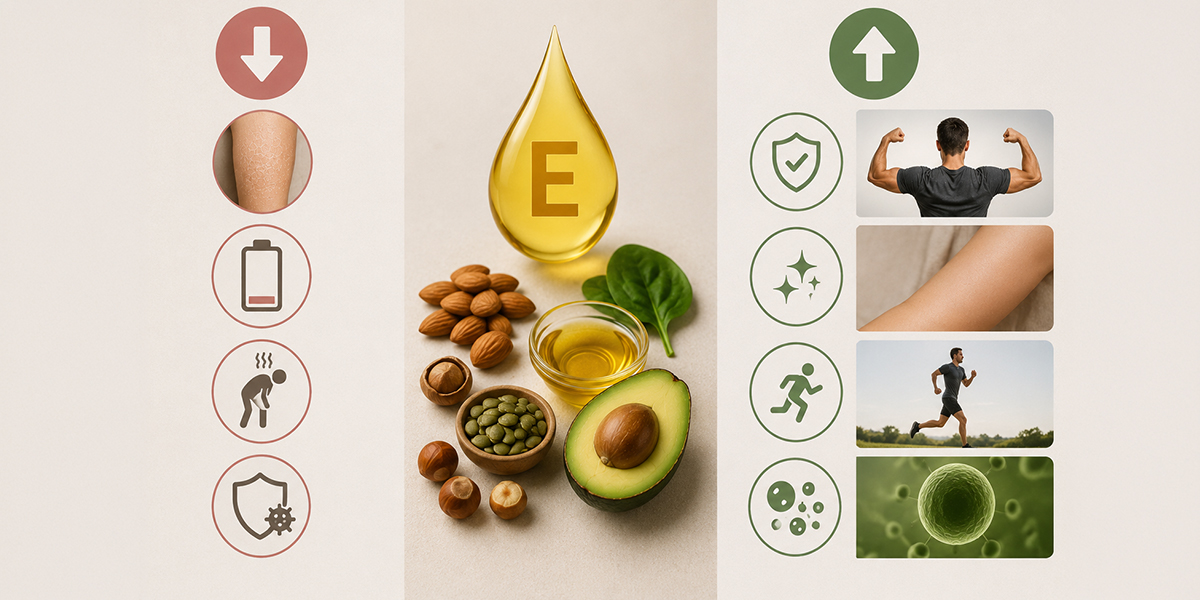
- Muscle weakness and difficulty with coordination
- Numbness in the limbs and peripheral nerve damage
- Reduced immunity and frequent infections
- Blurred vision or poor eye health
- Dry skin and hair
2. Causes of Vitamin E Deficiency
In most cases, vitamin E deficiency is linked to poor absorption rather than simply low intake. Since vitamin E is a fat-soluble vitamin, the body needs healthy fats to absorb it properly.
Common causes include:
- Malabsorption disorders such as intestinal diseases
- Poor nutrition or low intake of healthy fats
- Genetic conditions affecting vitamin metabolism
- Premature birth in infants
Supporting overall nutrition with balanced meals, healthy fats, and suitable vitamins may help reduce deficiency risk.
3. Complications of Vitamin E Deficiency
If left untreated, vitamin E deficiency may lead to more serious health problems, especially related to the nervous system and immune function.
- Severe nerve damage
- Vision problems
- Weakened immune system and increased inflammation
- Impaired balance and coordination
4. Treatment of Vitamin E Deficiency
Treatment depends on the severity of the deficiency and the underlying cause. In many cases, treatment includes improving diet and using supplements under professional guidance.
Treatment may include:
- Taking vitamin E supplements based on medical advice
- Increasing intake of vitamin E-rich foods such as almonds, seeds, vegetable oils, spinach, and avocado
- Using therapeutic doses for a limited period in severe cases
- Choosing high-quality supplements to support safe and effective results
When supplementation is needed, high-quality vitamin supplements may help restore levels when used correctly.
5. Prevention and Daily Support
Maintaining healthy vitamin E levels depends on a balanced diet, proper fat intake, and addressing any absorption problems when present.
- Consume foods rich in healthy fats
- Follow a balanced diet including nuts, seeds, and oils
- Maintain a healthy lifestyle that supports nutrient absorption
- Use supplements when necessary, especially for high-risk individuals
A complete nutrition approach may also include attention to minerals, omega-3, and sufficient protein to support overall health.
FAQ
1. Is vitamin E deficiency common?
Vitamin E deficiency is relatively rare, but it may occur in people with fat malabsorption, digestive disorders, or certain genetic conditions.
2. What foods are high in vitamin E?
Good sources include almonds, sunflower seeds, vegetable oils, spinach, avocado, and some fortified foods.
3. Can vitamin E supplements improve skin health?
Vitamin E supports skin health as an antioxidant, but supplements are most useful when intake is low or deficiency is present.
4. Should I take vitamin E every day?
Daily use depends on your diet, health condition, and professional advice. Avoid high doses unless recommended by a healthcare provider.
Conclusion
Vitamin E deficiency is a condition that can often be prevented through proper nutrition and regular health monitoring. With early diagnosis and appropriate treatment, vitamin levels can be restored, supporting nerve health, immunity, skin, and overall well-being.
When supplementation is needed, choosing reliable, high-quality vitamin supplements can help ensure safe and effective results, especially when combined with a balanced diet rich in healthy fats.
```