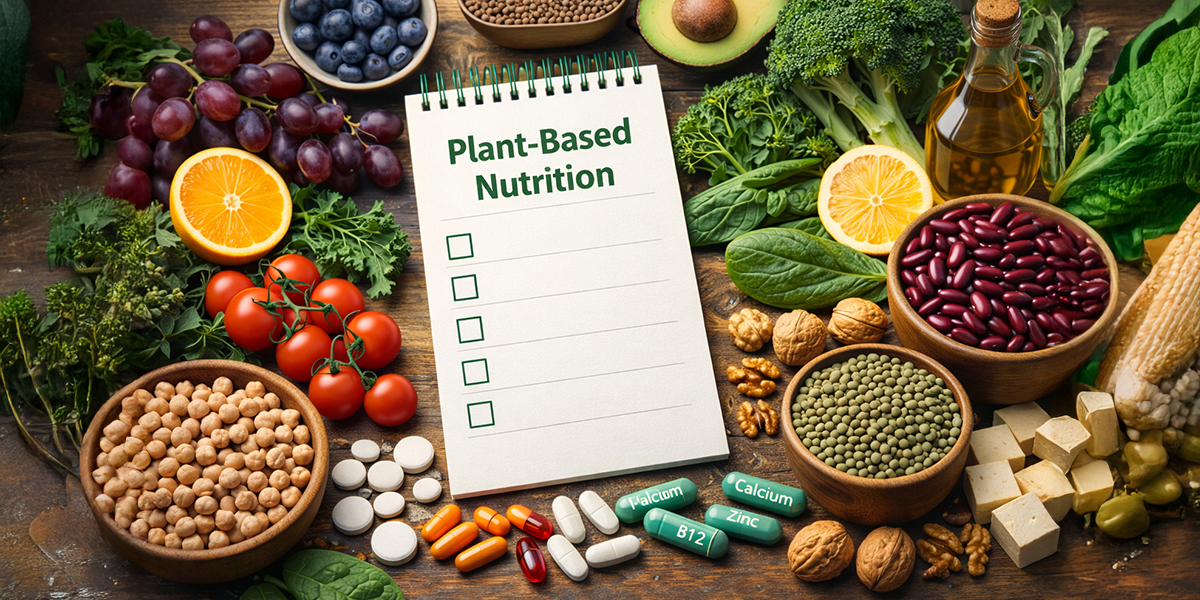


Plant-based nutrition has become a popular choice for people seeking a healthier and more sustainable lifestyle, whether for health, environmental, or ethical reasons. The key question, however, is how to obtain all essential nutrients from a diet that excludes or limits animal products.
A well-planned plant-based diet can support overall health, but it requires variety and attention to certain nutrients that may be harder to obtain in adequate amounts. In this guide, we explore the fundamentals of plant-based nutrition and explain how to build a balanced diet that supports physical and mental performance naturally. A smart routine can also be supported by carefully chosen vitamins, minerals, omega-3, and protein products when needed.
- Plant Proteins: The Foundation of Strength and Energy
- Iron and Calcium: Supporting Blood and Bone Health
- Vitamin B12 and Vitamin D: Smart Supplements for Plant-Based Diets
- Omega-3 Fatty Acids: Supporting the Heart and Brain
- Fiber and Antioxidants: Gut and Immune Support
- Practical Tips for a Balanced Plant-Based Diet
- FAQ
- Conclusion
Plant Proteins: The Foundation of Strength and Energy
Getting enough protein from plant sources is completely possible when meals are varied and balanced. Legumes such as lentils, beans, and chickpeas, along with nuts, seeds, soy foods, and whole grains like oats and quinoa, can help provide the amino acids the body needs.
Eating a range of these foods throughout the day supports muscle maintenance, immune function, and stable energy levels, especially for active individuals and athletes. For people with higher training demands, combining whole foods with suitable protein options may help make daily intake more practical.
Iron and Calcium: Supporting Blood and Bone Health
Iron and calcium are two of the most important minerals in a plant-based diet. Plant foods such as spinach, lentils, chickpeas, and fortified foods can contribute iron, while broccoli, sesame seeds, fortified beverages, tofu made with calcium salts, and certain grains can help increase calcium intake.
Pairing iron-rich foods with vitamin C sources can improve non-heme iron absorption, which is especially important in vegetarian and vegan diets. A consistent intake of these nutrients helps support bone health, oxygen transport, and physical performance. When diet alone is not enough, targeted minerals may be worth considering.
Vitamin B12 and Vitamin D: Smart Supplements for Plant-Based Diets
Vitamin B12 is one of the nutrients that can be difficult to obtain reliably from unfortified plant foods, so supplementation or fortified foods are often necessary for vegans and some vegetarians. Vitamin D may also require special attention, particularly in people with limited sun exposure or low dietary intake.
These two nutrients are especially important for nerve health, red blood cell formation, immunity, and bone support. In many cases, high-quality vitamins are a practical and effective way to maintain healthy levels.
Omega-3 Fatty Acids: Supporting the Heart and Brain
Omega-3 fatty acids play an important role in heart and brain health. Plant-based sources such as flaxseeds, chia seeds, walnuts, and their oils provide ALA, a type of omega-3 fat. However, the body converts ALA only in limited amounts into EPA and DHA, the forms more directly used by the body.
For some people, especially those following strict vegan diets, algae-based omega-3 supplements may be worth considering as a more direct source of DHA and EPA.
Fiber and Antioxidants: Gut and Immune Support
One of the major strengths of plant-based diets is their naturally high content of fiber and antioxidants. Fruits, vegetables, legumes, and whole grains support digestive health, help maintain a healthy gut microbiome, and may reduce the risk of chronic disease.
Antioxidants from colorful plant foods also help protect cells from oxidative stress and support immune function. This combination can contribute to better energy, metabolic health, and long-term wellness. A routine rich in whole plant foods often provides more than isolated nutrients alone.
Practical Tips for a Balanced Plant-Based Diet
A strong plant-based diet is built on variety, not restriction. To make the diet more nutritionally complete, focus on a few practical habits:
- Include legumes regularly
- Rotate protein sources throughout the week
- Choose whole grains often
- Pay attention to B12, vitamin D, iron, calcium, zinc, and omega-3 fats
- Use lab testing and carefully chosen supplements when needed
This balanced approach makes plant-based nutrition both sustainable and practical. Supportive products from vitamins, minerals, omega-3, and protein categories can help fill gaps safely when food intake is inconsistent.
FAQ
Can you get enough protein from a plant-based diet?
Yes. A varied intake of legumes, soy foods, grains, nuts, and seeds can provide enough protein for most people, especially when meals are well planned.
Is vitamin B12 always necessary on a vegan diet?
In most cases, yes. Reliable B12 usually comes from fortified foods or supplements rather than natural unfortified plant foods.
Do plant-based diets provide enough omega-3?
They provide ALA from foods like flaxseeds and walnuts, but some people may still prefer algae-based omega-3 for direct DHA and EPA support.
Should supplements be part of every plant-based diet?
Not always, but some nutrients such as B12, vitamin D, iron, calcium, or omega-3 may require more attention depending on the person, their diet, and lab results.
Conclusion
Plant-based nutrition can support overall health, strength, energy, and long-term wellness when it is built on variety and good planning. Protein, iron, calcium, vitamin B12, vitamin D, omega-3 fats, fiber, and antioxidants all have important roles, and each can be supported through the right mix of foods and supplements when needed.
A balanced approach that includes whole foods first, along with smart support from vitamins, minerals, omega-3, and protein, can make plant-based eating both sustainable and nutritionally complete.
This article is for informational purposes only and does not replace professional medical or nutritional advice. Individual needs may vary, and lab testing or professional guidance may be helpful when making major dietary changes.