


Andropause, often referred to as male menopause, is a natural age-related stage that many men experience as testosterone levels gradually decline. Although this transition typically occurs between the ages of 40 and 60, it can begin earlier depending on lifestyle, stress, and overall health. Andropause can affect energy levels, mood, muscle strength, libido, and even weight management, making it an important topic for men who want to maintain long-term vitality.
Understanding andropause empowers men to take control of their well-being through balanced nutrition, strategic supplementation, and healthy lifestyle habits. With the right approach, this stage can be managed effectively, supporting confidence, performance, and overall quality of life. Many men also explore targeted options such as testosterone support supplements as part of a broader wellness routine.
What Is Andropause?
Andropause is a gradual decline in male hormone production, especially testosterone, which plays a central role in muscle building, metabolism, mood regulation, and reproductive health. Unlike menopause in women, andropause does not occur suddenly. Instead, hormone levels decrease slowly over time.
Some men may notice only mild symptoms, while others experience significant changes that affect daily functioning. Recognizing this stage helps men prepare and respond proactively through nutrition, exercise, and targeted supplements that support hormonal balance, including carefully selected male hormonal support products.
Common Symptoms and Hormonal Changes
The hormonal changes associated with andropause can lead to a range of symptoms, including fatigue, decreased libido, mood fluctuations, reduced muscle mass, and increased abdominal fat. Many men also report difficulty sleeping, lower motivation, and slower recovery after exercise.
These changes result from declining testosterone and shifts in other hormones such as cortisol and insulin. Understanding the biological roots of these symptoms helps men take practical steps to reduce their impact and maintain physical and mental performance.
Impact on Weight and Muscle Strength
One of the most noticeable effects of andropause is reduced muscle mass and increased fat accumulation, particularly around the waist. Lower testosterone levels affect protein synthesis, making it harder to build or maintain muscle. At the same time, metabolism may slow, increasing the likelihood of weight gain.
To counter these changes, men should prioritize strength training, adequate protein intake, and consistent physical activity. Supporting muscle health through whey protein, creatine, and amino acid supplements may also help maintain strength, recovery, and daily energy.
Nutrition Strategies for Andropause
The right nutritional approach can significantly ease andropause symptoms. A diet rich in lean protein, whole grains, vegetables, and healthy fats supports energy levels and hormonal function. Foods containing zinc, vitamin D, and magnesium play a key role in testosterone production and metabolic health.
Adding omega-3 fatty acids from fish or omega-3 supplements can help reduce inflammation and support cardiovascular health. Limiting refined sugars and processed foods helps stabilize blood sugar and prevent unwanted weight gain, which is common during this stage. Men who struggle to meet protein needs consistently may also benefit from practical options such as protein supplements or high-protein snacks.
Role of Supplements in Hormonal Support
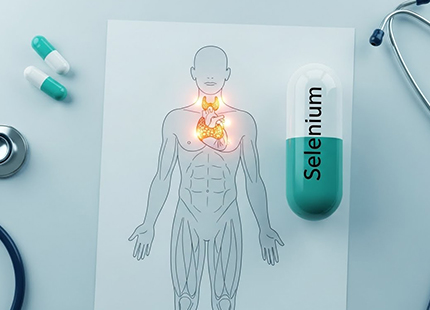
Supplements can be valuable tools in managing andropause. Key nutrients such as vitamin D, zinc, magnesium, and B-complex vitamins contribute to energy production, hormone balance, and overall vitality.
Herbal supplements like tribulus terrestris are also popular for supporting stamina and male performance. For men experiencing low energy or reduced muscle strength, amino acids, creatine, and performance-focused testosterone support formulas may offer additional benefits. Choosing high-quality, scientifically supported products is essential for safety and effectiveness.
Managing Mood, Stress, and Sleep Issues
Emotional well-being can be affected during andropause due to changing hormone levels. Increased stress, irritability, and mood swings are common. Incorporating mindfulness practices, regular exercise, and balanced meals can support mental clarity and emotional stability.
Sleep disturbances, such as insomnia or restless nights, may also arise. Supportive nutrients such as magnesium and products from the sleep and relaxation support category may help promote restful sleep. A consistent sleep routine and reduced evening screen time can further improve sleep quality and restore daily energy levels.
Supporting Heart and Metabolic Health
As men age, cardiovascular and metabolic risks tend to increase, especially with declining testosterone. Maintaining a heart-healthy lifestyle is essential during andropause. Foods rich in antioxidants, fiber, and omega-3 fatty acids support heart function and reduce inflammation.
Regular exercise, especially aerobic activity, promotes healthy blood pressure and cholesterol levels. Monitoring blood sugar, maintaining a healthy weight, and staying physically active all contribute to long-term metabolic health and vitality. Nutritional support from heart health products, fish oil and omegas, and weight management support may also be helpful when matched to individual needs.
FAQ
What age does andropause usually begin?
Andropause commonly develops between the ages of 40 and 60, although some men may notice symptoms earlier depending on lifestyle, stress, and overall health.
Can nutrition really help with andropause symptoms?
Yes. A nutrient-rich diet that supports hormone production, metabolism, muscle maintenance, and heart health can help ease many common symptoms associated with andropause.
Which supplements are commonly used during andropause?
Vitamin D, zinc, magnesium, omega-3 fatty acids, B-complex vitamins, creatine, amino acids, and selected male support formulas are among the most commonly used options.
Does andropause affect weight and muscle mass?
Yes. Lower testosterone levels may make it harder to maintain muscle and easier to gain abdominal fat, which is why resistance training, protein intake, and consistent activity are especially important.