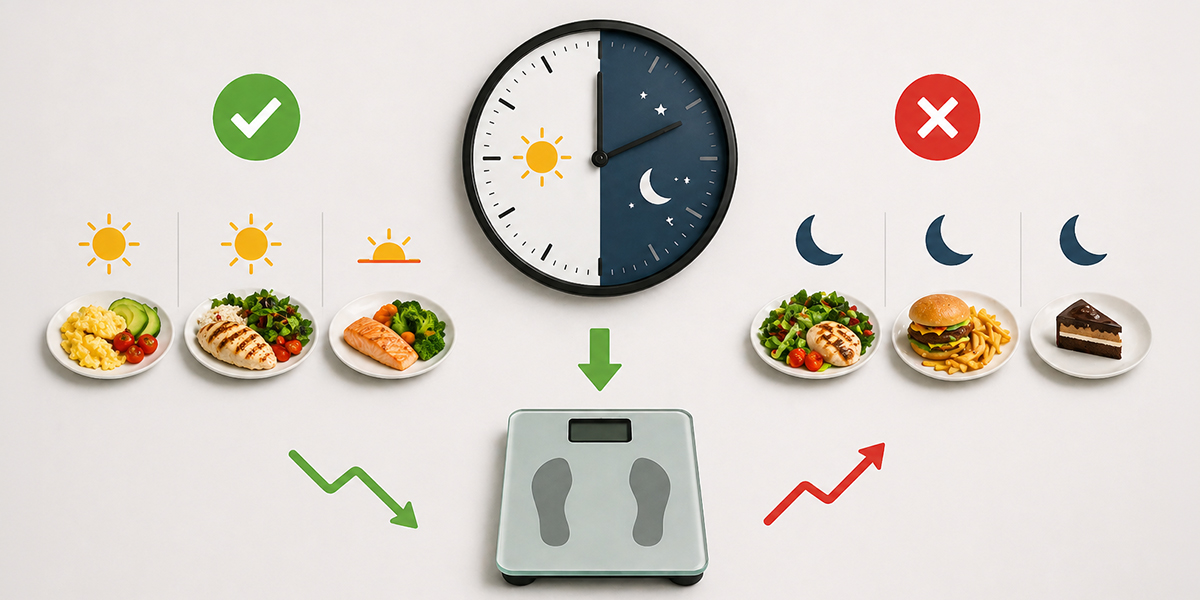


Meal timing has become an important topic in nutrition and weight management. It is not only about what you eat, but also when you eat, as timing can influence metabolism, satiety, digestion, and appetite control.
While meal timing alone does not guarantee weight loss, it can support better consistency and help people manage hunger more effectively. A balanced routine should still focus on food quality, enough protein, key vitamins, important minerals, and healthy fats such as omega-3.
The Impact of Meal Timing on Metabolism
Eating at regular times may help regulate metabolic processes and improve daily structure. The body can adapt to a consistent eating schedule, which may support digestion, hunger control, and better energy management throughout the day.
However, meal timing works best when combined with the right total calorie intake and balanced nutrition. For example, eating consistently but exceeding daily energy needs can still lead to weight gain, while a balanced calorie intake with enough protein can better support weight management and muscle maintenance.
The Role of Breakfast
Breakfast helps provide energy after an overnight fast and can support appetite control for some individuals. A balanced breakfast may reduce the chance of overeating later in the day, especially when it includes protein, fiber, and healthy fats.
Skipping breakfast does not automatically prevent weight loss, but for some people it may lead to stronger hunger, larger portions later, or more snacking. A smart breakfast can include foods such as eggs, Greek yogurt, oats, fruit, nuts, or a suitable protein option when needed.
Eating Smaller, Frequent Meals
Dividing daily food intake into smaller, more frequent meals may help some people control hunger levels and maintain steady energy. This approach can reduce the likelihood of consuming very large meals or high-calorie snacks later in the day.
That said, frequent meals are not required for everyone. Some people prefer three main meals, while others feel better with smaller meals and snacks. The best approach is the one that helps you stay consistent without increasing total calories unintentionally.
Eating Before Bed
Eating right before sleep may cause discomfort, affect digestion, and make calorie control harder for some people, especially if late-night eating includes large meals or high-calorie snacks.
It is generally recommended to leave about two to three hours between your last meal and bedtime to support digestion and sleep quality. If you need an evening snack, choose something light and balanced rather than high-sugar or high-fat options.
Intermittent Fasting
Intermittent fasting focuses on limiting food intake to a specific time window. For some individuals, this can support weight loss by making it easier to reduce total calorie intake and control snacking.
It may also support blood sugar control and insulin sensitivity in some cases. However, it is not suitable for everyone, and the quality of meals during the eating window still matters. A fasting plan should still include enough protein, vegetables, hydration, and supportive nutrients such as vitamins and minerals.
Practical Tips for Meal Timing
Meal timing should make your routine easier, not more stressful. The goal is to improve consistency and appetite control while keeping nutrition balanced.
- Maintain a consistent meal schedule when possible
- Eat a balanced breakfast if it helps you control hunger
- Avoid large meals close to bedtime
- Listen to your body’s natural hunger and fullness signals
- Include enough protein at main meals
- Support overall health with nutrient-rich foods and, when needed, omega-3, vitamins, and minerals
FAQ
Does meal timing matter more than calories?
No. Total calorie intake is still the main driver of weight change, but meal timing can help improve hunger control and consistency.
Is breakfast necessary for weight loss?
Not for everyone. Breakfast can help some people manage appetite, but weight loss depends on total daily intake and consistency.
Is eating before bed bad for fat loss?
Not automatically. It becomes an issue if it leads to excess calories, poor digestion, or disrupted sleep.
Can intermittent fasting help with weight loss?
Yes, for some people. It can help reduce calorie intake, but meal quality and enough protein still matter.
Conclusion
Meal timing can influence metabolism, satiety, digestion, and appetite control, but it is not the only factor in weight loss. The most important foundation remains balanced nutrition, appropriate calories, regular physical activity, and consistency.
Combining smart meal timing with enough protein, nutrient-rich foods, key vitamins, important minerals, and supportive fats such as omega-3 can help create a sustainable and healthy weight-loss strategy.