


Zinc is an essential mineral that children need for healthy growth, development, immune function, and many important processes throughout the body. Although children require relatively small amounts of zinc, getting enough through a balanced diet is important because their nutritional needs change as they grow.
From supporting normal immune function to contributing to cell division, protein synthesis, and healthy skin, zinc plays several roles that are particularly relevant during childhood. A varied diet that includes zinc-rich foods can help provide this important mineral alongside other nutrients needed for overall health and development.
Most children can obtain adequate zinc from nutritious foods such as meat, poultry, seafood, eggs, dairy products, beans, lentils, nuts, seeds, and fortified cereals. However, children with selective eating habits, restricted diets, or certain nutritional challenges may need closer attention to their zinc intake.
Table of Contents
- What Is Zinc and Why Do Kids Need It?
- Benefits of Zinc for Children
- Zinc and Immune Support in Kids
- Zinc for Growth and Development
- Zinc and Wound Healing
- Signs of Zinc Deficiency in Children
- Zinc-Rich Foods for Kids
- How Much Zinc Do Kids Need?
- When Do Kids Need Zinc Supplements?
- How to Choose a Zinc Supplement for Kids
- Zinc Safety Considerations for Children
- Recommended Children's Health Supplements
- FAQ
- Conclusion
What Is Zinc and Why Do Kids Need It?
Zinc is an essential trace mineral involved in numerous biological processes. It contributes to normal immune function, DNA and protein synthesis, cell division, and normal metabolism. Because these processes are closely connected with growth and development, adequate zinc intake is particularly important during childhood.
Children need zinc as part of a balanced nutritional pattern rather than as a standalone solution for growth or immunity. Providing a variety of nutrient-dense foods can help children obtain zinc together with protein, vitamins, healthy fats, and other essential minerals.
Benefits of Zinc for Children
Adequate zinc intake supports several important functions throughout childhood. Its role extends beyond immune health, making it an important nutrient for children's overall nutritional needs.
- Supports immune function: Zinc contributes to the normal function of the immune system and helps support the body's natural defenses.
- Supports healthy growth: Zinc is involved in cell division, protein synthesis, and other processes required for normal physical development.
- Supports normal cognitive function: Zinc contributes to normal cellular and neurological processes that are important during childhood development.
- Supports skin health: Zinc contributes to maintaining normal skin and plays a role in the body's natural tissue-repair processes.
- Supports nutrient metabolism: Zinc contributes to the normal metabolism of carbohydrates, fatty acids, and macronutrients.
While zinc is an important nutrient for children, more is not necessarily better. The goal is to provide an appropriate amount through a balanced diet and use supplements only when they are appropriate for the child's individual nutritional needs.
Zinc and Immune Support in Kids
Zinc is an important mineral for children's immune health. It contributes to the normal function of the immune system and supports several cellular processes involved in the body's natural defenses. During childhood, adequate nutrition helps provide the nutrients needed for the immune system to develop and function normally.
Including zinc-rich foods in a child's regular diet can therefore be part of a broader approach to supporting immune wellness. Foods such as meat, seafood, eggs, dairy products, beans, lentils, nuts, seeds, and fortified cereals can contribute to daily zinc intake.
However, zinc should not be considered a way to prevent every infection or replace appropriate medical treatment. Children's immune health depends on many factors, including overall nutrition, adequate sleep, physical activity, hygiene, and general health. Providing sufficient zinc is one component of a healthy lifestyle rather than a standalone solution.
Zinc for Growth and Development
Zinc plays a role in several processes that are particularly important during childhood growth. It contributes to normal cell division, protein synthesis, and the metabolism of nutrients, all of which support the body's continuous development.
Children experience periods of rapid physical growth, particularly during infancy, early childhood, and adolescence. A balanced diet that provides adequate zinc alongside protein, iron, calcium, vitamins, and other essential nutrients can help support normal development.
Zinc is also involved in normal neurological and cellular function. However, healthy development depends on a combination of adequate nutrition, sleep, physical activity, learning opportunities, and a supportive environment. Zinc supplementation should therefore not be presented as a substitute for a balanced diet or as a way to enhance a child's abilities beyond normal nutritional needs.
Zinc and Wound Healing
Zinc contributes to maintaining normal skin and plays a role in the body's natural tissue-repair processes. Adequate nutritional status can therefore be important when the body is recovering from minor cuts, scrapes, and everyday skin injuries.
Good sources of zinc, including meat, seafood, dairy products, beans, seeds, and fortified foods, can help support overall nutritional intake. However, children should not automatically be given zinc supplements to speed up healing unless a healthcare professional identifies a nutritional need.
Significant wounds, infections, burns, or injuries that do not heal normally require appropriate medical assessment rather than relying solely on nutritional supplements.
Signs of Zinc Deficiency in Children
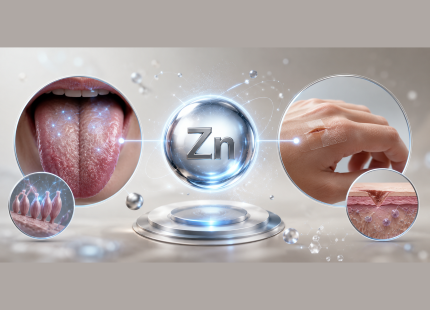
Zinc deficiency may not always cause obvious symptoms at first. If zinc intake remains inadequate, possible signs can include poor appetite, impaired growth, frequent infections, changes in taste or smell, skin changes, or delayed wound healing.
These symptoms are not specific to zinc deficiency and may have many different causes. Parents should therefore avoid diagnosing a deficiency based on symptoms alone.
Children who follow highly restricted diets, have prolonged poor appetite, or have certain health conditions that affect nutrient absorption may require closer nutritional assessment. If there are concerns about a child's growth, appetite, recurrent illness, or overall nutrition, a pediatrician or qualified healthcare professional can determine whether further evaluation or testing is appropriate.
Zinc-Rich Foods for Kids
A balanced diet is usually the best starting point for meeting a child's zinc needs. Zinc is naturally found in a variety of animal- and plant-based foods, making it possible to include zinc-rich options in different eating patterns.
Good food sources of zinc for children include beef, chicken, turkey, fish, shellfish, eggs, milk, cheese, yogurt, beans, lentils, chickpeas, nuts, seeds, and fortified breakfast cereals. Offering a variety of these foods throughout the week can help children obtain zinc along with protein and other essential nutrients.
For children following vegetarian or mostly plant-based diets, beans, lentils, chickpeas, nuts, seeds, and fortified foods can contribute to zinc intake. However, some plant foods contain compounds that can reduce zinc absorption, so variety and appropriate meal planning are useful strategies for maintaining adequate nutritional intake.
How Much Zinc Do Kids Need?
Zinc requirements vary according to age and developmental stage. Younger children generally require smaller amounts, while nutritional needs increase as children grow. During adolescence, requirements can differ between boys and girls.
As a general guide, children aged 1–3 years need around 3 mg of zinc per day, while children aged 4–8 years need around 5 mg daily. Children aged 9–13 years generally need around 8 mg per day, with requirements increasing during the teenage years.
These amounts are general nutritional recommendations and do not necessarily represent the amount a child should receive from supplements. A child's total intake from food, fortified products, and supplements should be considered when assessing zinc intake.
When Do Kids Need Zinc Supplements?
Most children can obtain enough zinc from a varied diet, so supplementation is not automatically necessary. A zinc supplement may be considered when a healthcare professional identifies inadequate dietary intake, a nutritional deficiency, increased nutritional requirements, or another specific reason for supplementation.
Children with highly restrictive diets, persistent poor appetite, certain digestive conditions, or nutritional absorption issues may require individualized assessment. Parents should avoid giving high-dose zinc supplements simply to support immunity or prevent illness.
Professional guidance is particularly important when supplementation is being considered for young children. The appropriate dose depends on age, diet, nutritional status, and the reason for supplementation.
How to Choose a Zinc Supplement for Kids
If a healthcare professional recommends zinc supplementation, select a product specifically formulated for the child's age group. Check the label for the amount of elemental zinc per serving, recommended age, serving size, and complete ingredient list.
Children's zinc supplements may be available as liquids, chewables, gummies, or tablets. A suitable formulation should match the child's age and ability to take supplements safely. Avoid assuming that a higher zinc dose provides greater immune or health benefits, as excessive intake can cause unwanted effects.
It is also important to avoid combining multiple children's supplements that contain zinc unless advised by a healthcare professional. Reviewing the child's overall nutritional intake can help ensure supplementation is appropriate and unnecessary excess is avoided.
Zinc Safety Considerations for Children
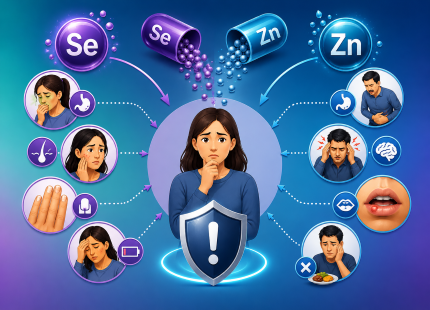
Zinc is an essential mineral, but children do not necessarily benefit from taking more than they need. Excessive zinc intake, particularly from high-dose supplements, can cause side effects such as nausea, vomiting, stomach discomfort, diarrhea, or headaches. Long-term excessive intake may also interfere with copper absorption and contribute to nutritional imbalances.
For this reason, parents should always follow the recommended serving on a children's zinc supplement and avoid giving multiple products containing zinc unless advised by a healthcare professional. The tolerable upper intake level varies by age, so a supplement appropriate for an adult may provide too much zinc for a young child.
Parents should also seek professional advice before giving zinc supplements to a child who has an ongoing medical condition, takes regular medication, follows a highly restricted diet, or is suspected of having a nutritional deficiency. Zinc supplements should complement a balanced diet rather than replace zinc-rich foods.
Keep zinc-containing supplements securely out of children's reach. Accidental ingestion of large quantities of supplements can be dangerous and requires urgent medical attention.
Recommended Children's Health Supplements
Explore children's health supplements designed to complement a balanced diet and support everyday nutritional needs. Zinc may be one nutritional option for children who have specific dietary needs, while a broader children's health range provides additional choices for age-appropriate nutritional support.
- Children's Health Supplements
Ideal for: Parents looking for age-appropriate nutritional supplements to complement their child's diet and support overall growth, development, immunity, and wellness.
Tip: Always check the product's age recommendation, zinc content, serving size, ingredients, and precautions before giving a supplement to a child. If you suspect zinc deficiency or your child has ongoing symptoms, consult a pediatrician or qualified healthcare professional before starting supplementation.
FAQ
1. Why is zinc important for kids?
Zinc supports several important functions during childhood, including normal immune function, growth and development, protein synthesis, and wound healing. Adequate zinc intake is therefore an important part of a balanced nutritional pattern.
2. What foods are high in zinc for children?
Good zinc sources include meat, poultry, fish, shellfish, eggs, dairy products, beans, lentils, chickpeas, nuts, seeds, and fortified cereals. Offering a variety of these foods can help children meet their nutritional needs.
3. Do all children need zinc supplements?
No. Many children can obtain enough zinc from a varied diet. Supplementation may be appropriate when a healthcare professional identifies inadequate intake or a specific nutritional need. Parents should avoid routinely giving high-dose zinc supplements without professional guidance.
Conclusion
Zinc is an essential mineral that plays an important role in children's immune function, growth, development, wound healing, and normal cellular processes. Providing a varied diet that includes zinc-rich foods is one of the best ways to support adequate zinc intake during childhood.
While zinc supplements can be useful when a child has a confirmed or suspected nutritional need, they are not automatically necessary for every child. Choosing an age-appropriate product and following the recommended serving is important because excessive zinc intake can cause side effects and interfere with the absorption of other essential nutrients.
For parents, the best approach is to focus on a balanced diet first and consider supplementation based on the child's individual needs. If deficiency is suspected, symptoms persist, or your child has a restricted diet or ongoing health condition, consult a pediatrician or qualified healthcare professional before starting a zinc supplement.