

Dietary supplements have become part of the daily routine for many people, whether to support general wellness, improve performance, or correct specific nutrient deficiencies.
However, taking some supplements continuously for long periods without reassessment may not always be the best approach. In certain cases, periodic breaks or dosage reviews may help reduce unnecessary intake, prevent side effects, and ensure the supplement still matches the body’s actual needs.
Table of Contents
What Does Taking a Supplement Break Mean?
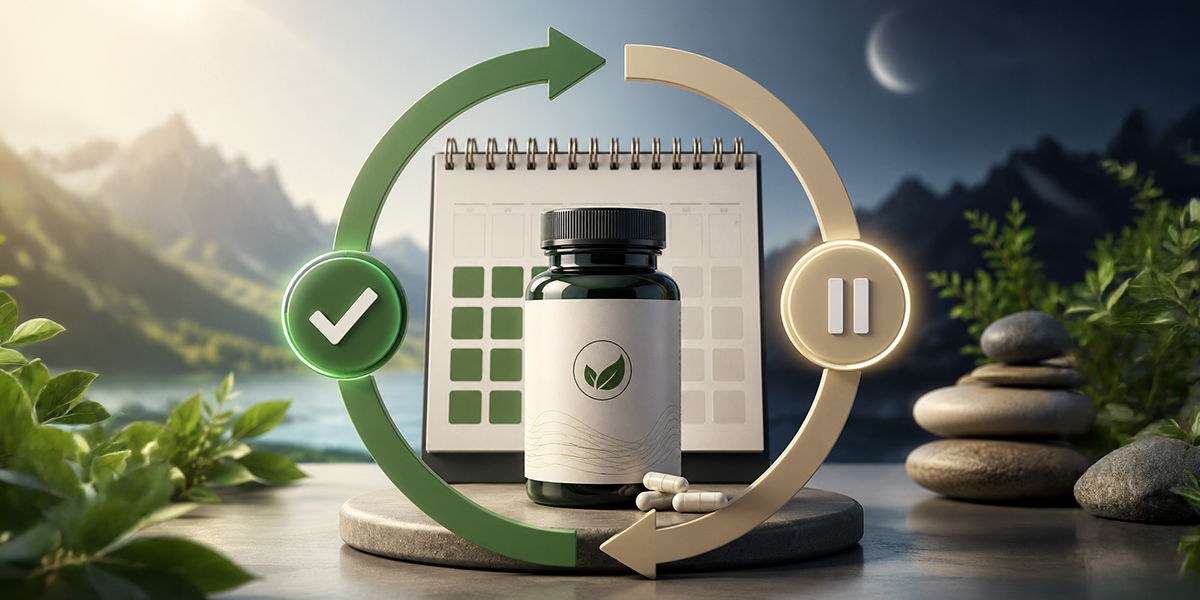
Taking a supplement break means temporarily stopping or reducing the use of a specific supplement after a certain period of use.
This does not mean supplements are harmful by default. Instead, it means that some products should be reviewed periodically to confirm whether they are still needed, whether the dose is appropriate, and whether the original goal has already been achieved.
Supplement breaks may be useful for certain nutrients, herbal products, stimulants, performance formulas, and high-dose products, especially when they are not medically required for long-term use.
Avoiding Excessive Accumulation
Some vitamins and minerals can accumulate in the body when taken in high doses over long periods.
This is especially important with fat-soluble vitamins such as vitamins A, D, E, and K, because they are stored in body tissues rather than quickly eliminated through urine.
Periodic reassessment may help reduce the risk of excessive intake and support safer long-term supplement use, especially when using high-dose formulas.
| Supplement Type | Why Reassessment Matters | Possible Concern |
|---|---|---|
| Fat-Soluble Vitamins | Can be stored in body tissues | Risk of excessive levels with long-term high doses |
| High-Dose Minerals | May interfere with other minerals | Imbalance between nutrients |
| Stimulant-Based Supplements | Tolerance may develop with frequent use | Reduced effect or sleep disruption |
| Herbal Formulas | Effects may vary by person and duration | Need for safety and response review |
Reassessing the Need for Supplementation
The body’s nutritional needs can change over time.
A supplement that was helpful during a deficiency, stressful period, intense training phase, restrictive diet, or recovery stage may not be needed forever at the same dose.
Improvements in diet, better lifestyle habits, successful correction of a deficiency, or changes in health status may reduce the need for continued supplementation.
- Diet quality may improve over time.
- A deficiency may already be corrected.
- Training intensity may change.
- Stress or sleep patterns may improve.
- Medical needs may change after treatment.
- The original reason for taking the supplement may no longer exist.
Reducing the Risk of Side Effects
Some supplements may cause side effects when used for long periods, especially at high doses or when combined with other products.
Possible side effects may include digestive discomfort, nausea, sleep disturbance, headaches, changes in bowel habits, or interference with the absorption of other nutrients.
Taking periodic breaks or reviewing the dose may help reduce these risks and make supplement use more personalized.
| Possible Issue | Example | Why a Review Helps |
|---|---|---|
| Digestive Discomfort | Nausea, bloating, constipation, or diarrhea | Dose or timing may need adjustment |
| Nutrient Competition | High-dose zinc affecting copper balance | Prevents long-term imbalance |
| Tolerance | Stimulant pre-workouts or caffeine formulas | May restore sensitivity and reduce overuse |
| Unnecessary Intake | Continuing a deficiency supplement after levels normalize | Keeps intake aligned with actual need |
Monitoring Supplement Effectiveness
Some supplements are intended to correct a specific problem or support the body during a temporary period of higher demand.
For example, a supplement may be used to correct a deficiency, support recovery, improve sleep during a stressful phase, or help performance during a training block.
Once the goal has been achieved, it may be appropriate to stop, reduce, or adjust the supplement based on symptoms, lab results, diet, and professional assessment.
| Supplement Goal | When to Reassess | Possible Next Step |
|---|---|---|
| Correcting a Deficiency | After follow-up lab testing | Reduce, stop, or switch to maintenance dose |
| Temporary Stress Support | When sleep, energy, or routine improves | Pause and monitor response |
| Sports Performance Phase | After a training cycle or competition phase | Cycle based on training needs |
| General Wellness | Every few months or when diet changes | Continue only if still useful |
Not All Supplements Require Cycling
It is important to understand that not every supplement requires a break.
Some supplements may be needed long term under professional guidance, especially when there is a diagnosed deficiency, restricted diet, medical condition, or increased physiological need.
The decision to continue, stop, reduce, or cycle a supplement should depend on the type of supplement, dose, health status, duration of use, lab results, diet quality, and reason for supplementation.
- Some supplements are short-term and goal-specific.
- Some may be used long term when medically needed.
- High-dose products should be reviewed more carefully.
- Lab testing can guide decisions for certain nutrients.
- Personal health status matters more than general rules.
- Supplement plans should not follow a one-size-fits-all approach.
Frequently Asked Questions
Do all supplements need to be cycled?
No. Not all supplements require cycling. Some may be used long term when needed, while others may be better reviewed or paused periodically depending on the goal and dose.
Which supplements may need periodic breaks?
High-dose fat-soluble vitamins, stimulant-based formulas, certain herbal supplements, and supplements used for temporary goals may need periodic reassessment or breaks.
Why can long-term supplement use be a problem?
Long-term use may be unnecessary if the original need has changed. Some supplements may also accumulate, cause side effects, or interfere with other nutrients when used excessively.
How do I know if I should stop a supplement?
Consider the original reason for use, current diet, symptoms, lab results, dosage, and advice from a healthcare professional, especially for high-dose or medically related supplements.
Can I stop supplements suddenly?
Some general wellness supplements can be paused safely, but supplements prescribed for deficiency, pregnancy, chronic conditions, or medical treatment should not be stopped without professional guidance.
Conclusion
Taking occasional breaks from certain supplements and reassessing the need for continued use can be a valuable strategy for safer and more effective supplementation.
This approach may help prevent excessive intake, reduce the risk of side effects, avoid unnecessary spending, and keep supplementation aligned with the body’s actual needs. The best supplement routine is personalized, regularly reviewed, and based on diet, health status, dosage, and clear goals rather than habit alone.