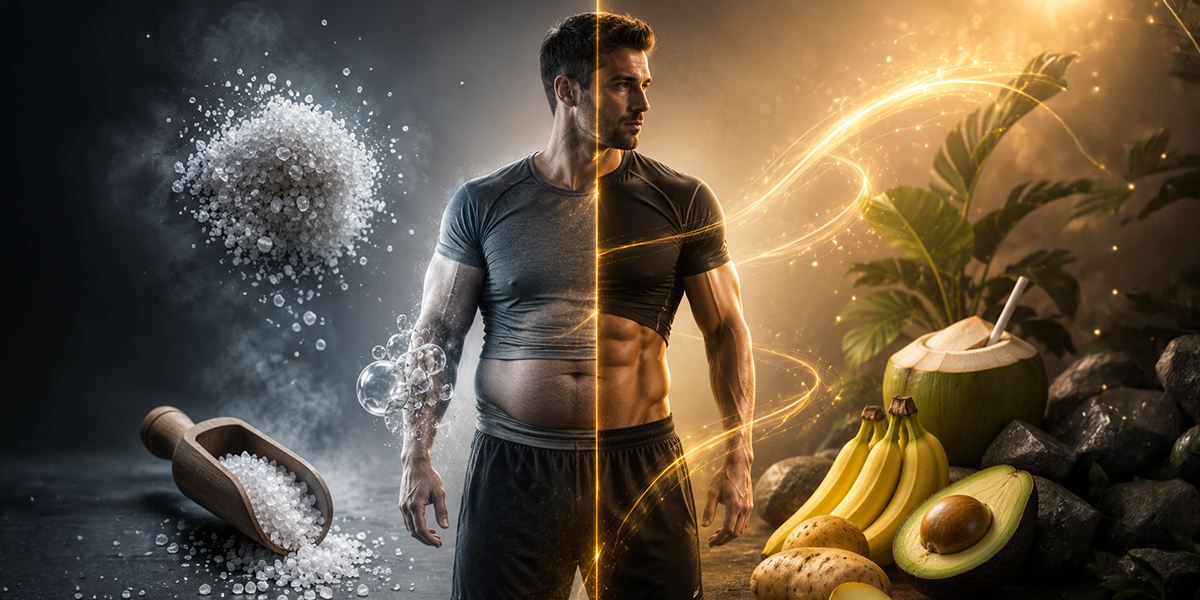


Many people experience body bloating, puffiness, or fluid retention that makes the body look swollen, heavier, and less defined.
One common reason behind this temporary “bloated body” appearance is an imbalance between sodium and potassium. These two minerals play a major role in fluid balance, blood pressure regulation, nerve function, and muscle activity. When sodium intake is too high and potassium intake is too low, the body may retain more water, leading to puffiness and visible bloating.
Table of Contents
The Role of Sodium in Fluid Retention
Sodium is an essential mineral that helps regulate fluid balance, nerve signals, and muscle function.
However, when sodium intake becomes too high, especially from salty snacks, fast food, processed meals, sauces, canned foods, and packaged products, the body may hold onto extra water to maintain internal balance.
This water retention can make the face, hands, feet, legs, and abdomen appear swollen or puffy, even when body fat has not increased.
The Importance of Potassium in Fluid Balance
Potassium works closely with sodium to support healthy fluid balance inside and outside the body’s cells.
One of potassium’s important roles is helping the kidneys remove excess sodium and fluids through urine. This helps the body maintain a healthier balance between minerals and water.
When potassium intake is low, the body may become less efficient at balancing the effects of sodium, increasing the likelihood of fluid retention and bloating.
- Potassium helps balance sodium levels.
- It supports kidney function and fluid regulation.
- It helps maintain normal muscle and nerve function.
- Low potassium intake may make water retention more noticeable.
- Potassium-rich foods can support a healthier fluid balance.
How Does the Bloated Body Appearance Happen?
The bloated body appearance happens when excess fluid builds up in body tissues.
This can make the body look fuller, softer, or swollen, especially around the abdomen, face, ankles, feet, and hands. Some people may also feel heaviness, tightness, or discomfort.
This type of temporary weight gain is usually related to retained water, not actual fat gain. It may appear quickly after high-sodium meals and improve when hydration, potassium intake, and overall diet quality are corrected.
| Factor | What Happens | Visible Effect |
|---|---|---|
| High Sodium | The body holds more water to maintain balance | Puffiness and temporary weight increase |
| Low Potassium | The body becomes less efficient at removing excess sodium | More fluid retention and bloating |
| Poor Hydration | The body may retain fluids as a protective response | Heaviness and bloated appearance |
| Low Activity | Fluid movement and circulation may slow down | Swelling in legs, feet, or hands |
Common Causes of High Sodium and Low Potassium
A high-sodium, low-potassium pattern is common in diets that rely heavily on processed foods and lack fresh fruits and vegetables.
Fast food, instant noodles, chips, processed meats, salty sauces, frozen meals, and sugary drinks can increase sodium intake while offering very little potassium.
On the other hand, a diet low in fruits, vegetables, legumes, and whole foods may reduce potassium intake, making fluid balance more difficult to maintain.
- Frequent fast food consumption.
- High intake of processed and packaged foods.
- Excess salty sauces, dressings, and snacks.
- Low intake of fruits and vegetables.
- Poor hydration throughout the day.
- Low physical activity and long sitting periods.
- Excess sugary drinks replacing nutrient-rich foods.
Best Natural Sources of Potassium
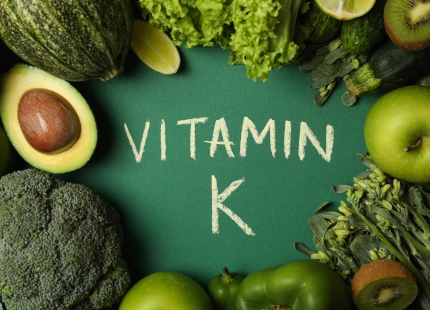
Potassium is found naturally in many whole foods, especially fruits, vegetables, legumes, nuts, and certain starchy foods.
Adding potassium-rich foods to a balanced diet can help support proper fluid balance and may reduce sodium-related puffiness over time.
The goal is not to remove sodium completely, because sodium is still essential, but to improve the balance between sodium and potassium.
| Potassium Source | Examples | How It Helps |
|---|---|---|
| Fruits | Bananas, oranges, kiwi, melon | Support hydration and mineral balance |
| Vegetables | Spinach, potatoes, sweet potatoes, tomatoes | Help increase potassium intake naturally |
| Healthy Fats and Whole Foods | Avocado, nuts, seeds | Provide potassium plus other nutrients |
| Legumes | Beans, lentils, chickpeas | Support potassium, fiber, and satiety |
Practical Tips to Reduce Water Retention
Reducing the bloated body appearance often starts with improving daily food choices and hydration habits.
Instead of focusing only on cutting salt, it is better to reduce highly processed foods while increasing potassium-rich whole foods, drinking enough water, and staying physically active.
These steps can help the body regulate fluids more effectively and reduce temporary swelling caused by sodium imbalance.
- Limit processed foods, fast food, and salty snacks.
- Choose fresh foods more often than packaged meals.
- Add potassium-rich foods such as bananas, avocado, spinach, potatoes, and legumes.
- Drink enough water throughout the day.
- Exercise regularly to support circulation and fluid movement.
- Avoid excessive sugary drinks and alcohol-like lifestyle habits that worsen dehydration.
- Sleep well, as poor sleep may affect fluid balance and cravings.
Frequently Asked Questions
Can too much sodium make the body look bloated?
Yes. High sodium intake can cause the body to retain extra water, leading to puffiness, swelling, and a temporary bloated appearance.
How does potassium reduce bloating?
Potassium helps balance sodium and supports the kidneys in removing excess sodium and fluids through urine, which may reduce water retention.
Is bloating from sodium the same as fat gain?
No. Sodium-related bloating is usually temporary water retention, while fat gain happens over time from consistent calorie surplus.
What foods are best for potassium?
Bananas, avocados, potatoes, spinach, oranges, beans, lentils, nuts, and seeds are good natural potassium sources.
Should I take potassium supplements for bloating?
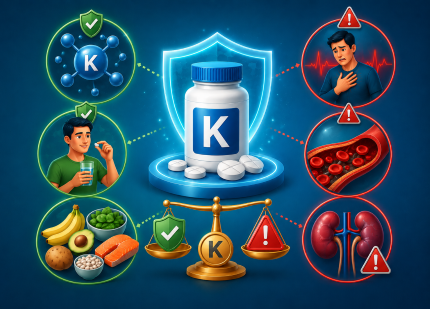
Potassium supplements should be used carefully and only when appropriate, especially for people with kidney disease or those taking certain medications. Food sources are usually the safest first step for most healthy individuals.
Conclusion
An imbalance between high sodium and low potassium can contribute to fluid retention, puffiness, and a temporary bloated body appearance.
Reducing high-sodium processed foods while increasing potassium-rich whole foods, drinking enough water, staying active, and following a balanced lifestyle can help improve fluid balance, reduce bloating, and support overall health.