

Anxiety is a common emotional experience that can affect how you think, feel, sleep, and respond to everyday situations. Occasional worry is a normal part of life, but persistent or excessive anxiety can interfere with daily activities, concentration, relationships, and overall well-being. For this reason, many people look for natural ways to support a calmer mind and better stress management.
Natural approaches for anxiety relief generally focus on healthy lifestyle habits rather than relying on a single food, supplement, or technique. Regular physical activity, relaxation practices, quality sleep, balanced nutrition, and mindful caffeine intake can all play a role in supporting emotional well-being. These approaches may be especially useful when practiced consistently as part of a broader healthy routine.
Table of Contents
- What Is Anxiety?
- How Can Natural Approaches Support Anxiety Relief?
- 1. Exercise Regularly to Support Mental Well-Being
- 2. Practice Deep Breathing & Relaxation Techniques
- 3. Prioritize Consistent, Quality Sleep
- 4. Follow a Balanced, Nutrient-Rich Diet
- 5. Reduce Caffeine & Support a Calmer Routine
- When Should You Seek Professional Help for Anxiety?
- How to Build a Daily Routine for Anxiety Support
- Recommended Stress & Mood Support Products
- FAQ
- Conclusion
What Is Anxiety?
Anxiety is the body's natural response to perceived stress, uncertainty, or potential threats. It can involve emotional symptoms such as excessive worry, nervousness, or a feeling of uneasiness, as well as physical responses including a faster heartbeat, muscle tension, sweating, restlessness, or difficulty sleeping.
Occasional anxiety can be a normal response to challenging situations. For example, feeling nervous before an important presentation or stressful event is common. However, anxiety may become more concerning when feelings of worry are frequent, difficult to control, or begin interfering with work, sleep, relationships, or everyday activities.
Anxiety can have many contributing factors, including ongoing stress, sleep disruption, lifestyle habits, certain medications, underlying health conditions, and individual psychological or environmental factors. Because causes and symptoms can vary significantly from person to person, there is no single natural approach that works for everyone.
For mild everyday stress, lifestyle strategies can provide useful support. When anxiety is persistent or significantly affects quality of life, however, speaking with a qualified healthcare or mental health professional is important. Professional guidance can help identify possible causes and determine whether additional treatment or support is appropriate.
How Can Natural Approaches Support Anxiety Relief?
Natural approaches to anxiety relief generally work by supporting the body's ability to manage stress and maintain healthy emotional and physical balance. Rather than targeting anxiety through one mechanism, healthy lifestyle strategies can influence several factors associated with well-being, including sleep quality, physical activity, relaxation, nutrition, and daily stress levels.
Regular exercise, for example, can support mood and provide a healthy outlet for physical tension. Relaxation and breathing exercises may encourage a calmer physiological response during stressful moments, while consistent sleep provides an important foundation for emotional regulation and resilience.
Nutrition can also contribute to overall mental well-being by providing the body with essential nutrients needed for normal physiological function. At the same time, limiting excessive caffeine may be helpful for people who notice that stimulants worsen feelings such as nervousness, restlessness, or a racing heartbeat.
The most effective approach is often a combination of small, sustainable habits rather than one dramatic change. Natural strategies should be viewed as supportive tools for overall wellness and stress management, not as replacements for professional treatment when anxiety becomes severe or persistent.
1. Exercise Regularly to Support Mental Well-Being
Regular physical activity is one of the most practical lifestyle strategies for supporting mental well-being. Exercise can provide a healthy way to manage physical tension and may support mood through changes in brain signaling, stress regulation, and overall physical health.
Both aerobic activities, such as walking, cycling, swimming, or jogging, and resistance-based activities can contribute to a healthy routine. Even moderate movement may be beneficial when performed consistently. For people who are not regularly active, starting with manageable sessions and gradually increasing activity can make the habit easier to maintain.
Exercise does not need to be intense to become part of an anxiety-supportive lifestyle. A daily walk, stretching session, or short workout can provide structure and a useful break from prolonged sitting or stressful routines. Consistency is generally more important than choosing the most demanding form of exercise.
2. Practice Deep Breathing & Relaxation Techniques
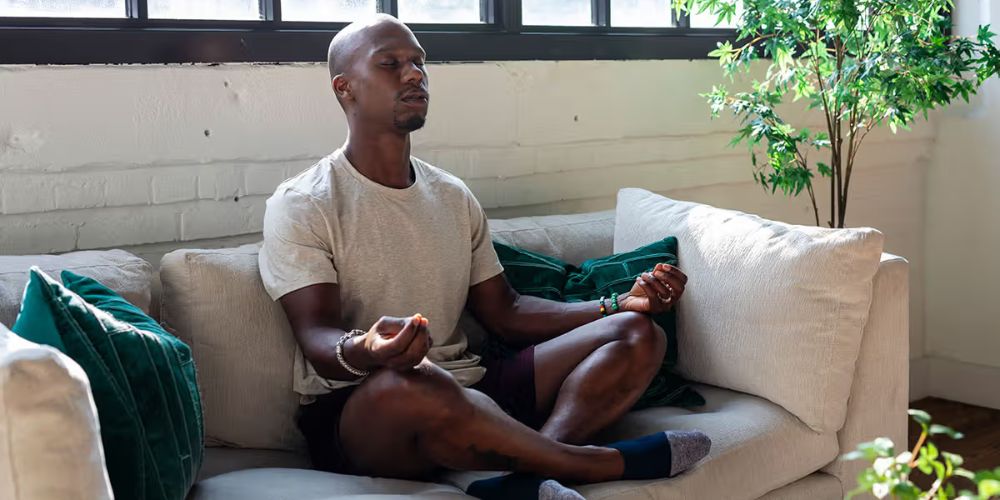
When anxiety rises, the body can shift into a heightened state of alertness, often causing faster breathing, muscle tension, and a racing heartbeat. Deep breathing and relaxation techniques may help calm these physical stress responses and create a greater sense of control during stressful moments.
One simple approach is slow diaphragmatic breathing. Instead of taking short, shallow breaths from the chest, focus on breathing gently through the nose while allowing the abdomen to expand. Slow the pace of your breathing and make the exhale slightly longer than the inhale. Practicing this regularly can make it easier to use the technique when stress or anxiety appears.
Other relaxation strategies may also be helpful. Progressive muscle relaxation, for example, involves gently tensing and then relaxing different muscle groups to reduce physical tension. Mindfulness and guided relaxation can similarly encourage you to focus on the present moment rather than continuously anticipating future problems.
3. Prioritize Consistent, Quality Sleep
Sleep and anxiety can influence each other. Poor or inconsistent sleep may leave you feeling more emotionally reactive and less able to manage everyday stress, while persistent worry can make it harder to fall asleep or stay asleep. Creating a consistent sleep routine can therefore be an important part of natural anxiety management.
Aim to maintain a relatively regular bedtime and wake-up time, even on weekends. A calming evening routine, reduced screen exposure before bed, and a comfortable, quiet sleeping environment may also support better sleep quality. Avoiding large meals, excessive caffeine, or stimulating activities close to bedtime can be useful for some people.
4. Follow a Balanced, Nutrient-Rich Diet
There is no single diet that can eliminate anxiety, but a balanced eating pattern can support overall physical and mental well-being. Regular meals that provide protein, fiber, whole grains, fruits, vegetables, and healthy fats can help provide steady nutritional support throughout the day.
Staying adequately hydrated is also important, while highly restrictive diets may make it harder to meet your nutritional needs. If you are considering supplements for stress or mood support, it is best to evaluate the ingredients, dosage, and your individual needs rather than assuming that a natural product is automatically appropriate.
5. Reduce Caffeine & Support a Calmer Routine
Caffeine can increase alertness, but higher intakes may also contribute to jitteriness, restlessness, a faster heartbeat, or feelings that resemble anxiety in sensitive individuals. If you notice that coffee, energy drinks, or other caffeinated products make your symptoms worse, gradually reducing your intake may be worth considering.
Alongside reducing caffeine, build small calming habits into your day. Short walks, regular breaks, time outdoors, relaxation exercises, and limiting excessive stimulation can all contribute to a more balanced daily routine.
When Should You Seek Professional Help for Anxiety?
Natural approaches can complement anxiety management, but they should not replace professional care when anxiety becomes persistent, severe, or starts interfering with work, relationships, sleep, or daily activities. Frequent panic attacks, overwhelming worry, or symptoms that continue despite lifestyle changes are good reasons to speak with a qualified healthcare professional.
If anxiety is significantly affecting your ability to function or you are experiencing thoughts of harming yourself, seek professional or emergency support promptly. Getting help does not mean you have failed to manage anxiety—it can be an important step toward finding the right treatment and long-term support.
How to Build a Daily Routine for Anxiety Support
Creating a simple and consistent daily routine can make healthy habits easier to maintain and may provide a greater sense of stability when life feels stressful. Instead of trying to change everything at once, focus on a few practical habits that support both physical and emotional well-being.
Start your day with regular hydration and a balanced breakfast, followed by some form of movement such as walking, stretching, or exercise. During the day, take short breaks from work or prolonged screen time and use slow breathing or relaxation techniques when you notice tension building. In the evening, gradually reduce stimulating activities and create a calming bedtime routine that prepares your body and mind for sleep.
The most important factor is consistency rather than perfection. A realistic routine that you can maintain every day is more useful than an overly complicated plan that becomes difficult to follow.
Recommended Stress & Mood Support Products
Some people also choose nutritional supplements as part of their broader approach to stress management and relaxation. Depending on individual needs, products containing ingredients commonly used for relaxation, sleep support, or general well-being may complement healthy lifestyle habits.
When choosing a supplement, check the ingredients, serving size, and recommended daily use carefully. If you are pregnant, breastfeeding, taking medication, or managing an existing health condition, speak with a healthcare professional before starting a new supplement.
Explore Sleep & Relaxation Support and Stress Support Products at Dr Nutrition to find options that may complement a healthy lifestyle and relaxation routine.
FAQ
1. What are natural ways to relieve anxiety?
Regular exercise, slow breathing, relaxation techniques, quality sleep, balanced nutrition, and reducing excessive caffeine may help support anxiety management. These approaches work best as part of a consistent lifestyle and may not be enough for everyone.
2. Can exercise help reduce anxiety?
Yes. Regular physical activity may support mood and help reduce stress. Walking, aerobic exercise, strength training, and other enjoyable forms of movement can all be incorporated into a healthy routine.
3. Does deep breathing help with anxiety?
Slow, controlled breathing may help reduce some physical sensations associated with acute stress, such as rapid breathing and muscle tension. Practicing regularly can make relaxation techniques easier to use during stressful situations.
4. Can caffeine make anxiety worse?
Caffeine can increase alertness and may cause restlessness, jitteriness, or a faster heartbeat in sensitive individuals. If you notice that caffeine worsens your anxiety symptoms, reducing your intake may be helpful.
5. When should I seek professional help for anxiety?
Consider speaking with a healthcare professional if anxiety is persistent, severe, or interfering with sleep, work, relationships, or everyday activities. Professional support can help identify the underlying cause and determine appropriate treatment.
Conclusion
Natural approaches to anxiety relief can be valuable tools for supporting a calmer and healthier lifestyle. Regular movement, deep breathing, quality sleep, balanced nutrition, and sensible caffeine intake can all contribute to better stress management and overall well-being.
However, anxiety is different for everyone, and lifestyle strategies are not a substitute for professional care when symptoms are persistent or significantly affecting daily life. Building sustainable habits while seeking appropriate support when needed can provide a more comprehensive approach to long-term anxiety management.