

Iodine is an essential mineral for thyroid health and several important body functions. It is also believed to play a supportive role in women’s breast health, especially because breast tissue is hormonally sensitive and may be affected by changes in mineral and hormonal balance.
Some studies suggest that chronic iodine deficiency may be associated with benign breast fibrosis, a non-cancerous change in breast tissue that may cause swelling, tenderness, or cyclical breast discomfort.
Table of Contents
How Iodine Deficiency Affects the Breast
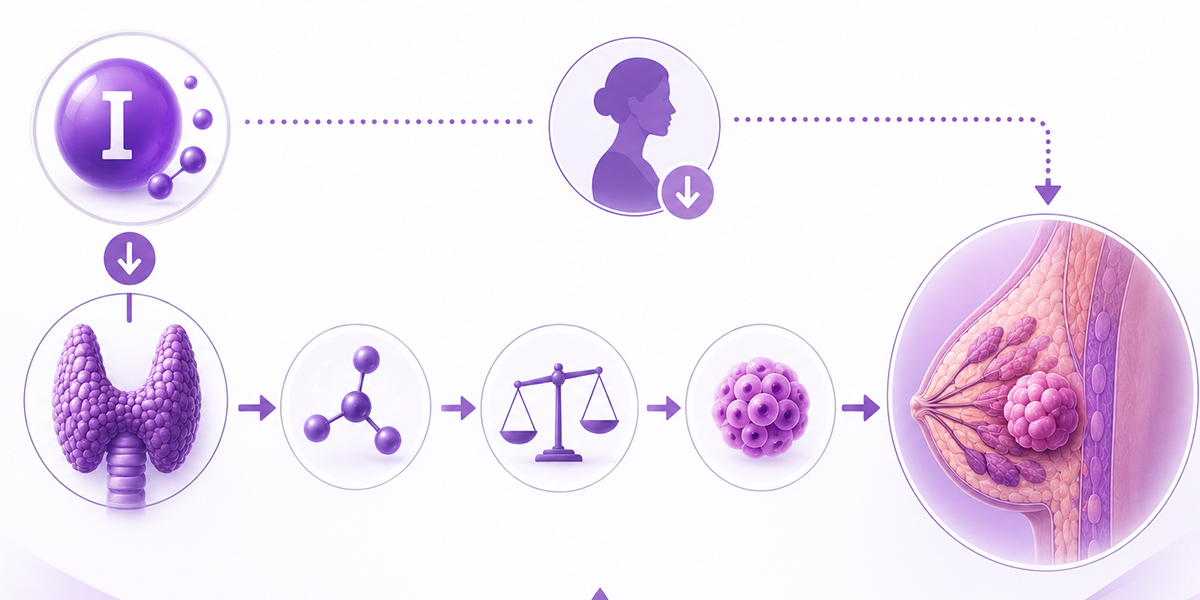
Iodine contributes to normal thyroid hormone production, which indirectly supports hormonal balance throughout the body. Since breast tissue responds to hormonal changes, iodine status may influence breast tissue structure and sensitivity.
When iodine levels are low for a prolonged period, glandular tissues may become more sensitive to hormonal stimulation, particularly estrogen. This may contribute to increased fibrous tissue growth and the formation of benign nodules or breast discomfort in some women.
Iodine may also play a role in maintaining normal glandular tissue function, which is why adequate iodine intake is considered important for both thyroid and breast health.
Symptoms Associated with Benign Fibrosis
Benign breast fibrosis may appear with symptoms that vary from mild to more noticeable depending on the individual and hormonal cycle.
Common symptoms may include:
- Small palpable lumps or nodules in the breast.
- Breast pain or discomfort, especially before menstruation.
- Changes in breast texture.
- Localized swelling or tenderness.
- Cyclical breast heaviness or sensitivity.
Although benign fibrosis is non-cancerous, any persistent lump, new breast change, nipple discharge, or unusual pain should be medically evaluated.
Dietary Sources to Compensate for Iodine
Maintaining adequate iodine intake through diet can support thyroid function and may contribute to overall breast health.
| Iodine Source | Why It Helps |
|---|---|
| Iodized Salt | A common and practical iodine source when used moderately |
| Fish and Seafood | Naturally rich in iodine and supportive nutrients |
| Seaweed | Very high in iodine, but should be consumed carefully |
| Dairy Products | Can contribute to daily iodine intake |
| Eggs | Provide moderate iodine amounts |
A varied diet that includes natural iodine sources can help reduce the risk of deficiency and support normal thyroid function.
Preventive Tips
- Maintain a balanced diet that includes natural iodine sources.
- Monitor iodine status when there is a higher risk of deficiency.
- Pay special attention before and during pregnancy, when iodine needs may increase.
- Consult a doctor if persistent breast pain, lumps, or swelling appear.
- Avoid taking high-dose iodine supplements without medical supervision.
Frequently Asked Questions
Can iodine deficiency cause benign breast fibrosis?
Iodine deficiency may be one contributing factor, but benign breast fibrosis can be influenced by multiple hormonal, nutritional, and individual factors.
Is benign breast fibrosis cancer?
No. Benign fibrosis is non-cancerous, but any new or persistent breast lump should be checked by a healthcare professional.
What foods are rich in iodine?
Iodized salt, fish, seafood, seaweed, dairy products, and eggs are common dietary sources of iodine.
Should women take iodine supplements for breast health?
Not always. Iodine supplements should be used based on dietary intake, deficiency risk, and medical guidance.
Can too much iodine affect the thyroid?
Yes. Excessive iodine intake may disturb thyroid function, especially in people with thyroid disorders.
Conclusion
Iodine deficiency may be a contributing factor to benign breast fibrosis in some women by influencing thyroid function, hormonal balance, and glandular tissue health.
Ensuring adequate iodine intake through a balanced diet can support thyroid and breast health. When supplementation is needed, it should be used carefully and under medical supervision, especially in women with thyroid conditions, pregnancy, or persistent breast symptoms.