
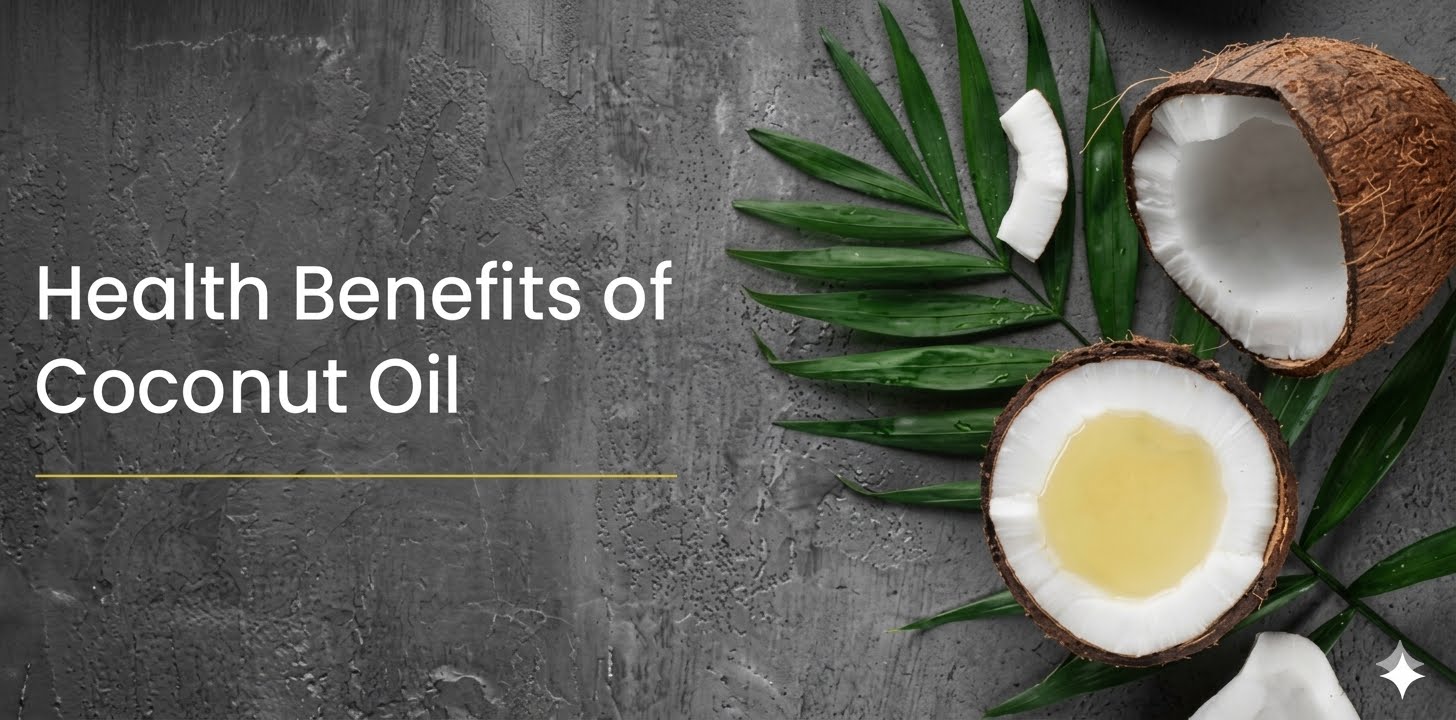


Coconut oil has become one of the world's most popular natural oils, valued for its versatility in cooking, skincare, hair care, and overall wellness. Extracted from the white flesh of mature coconuts, this tropical oil has been used for centuries in traditional cultures across Asia, the Pacific Islands, and parts of Africa. Today, it remains a staple in many households while attracting growing scientific interest for its unique nutritional composition and potential health benefits.
Unlike most dietary fats, coconut oil is naturally rich in medium-chain triglycerides (MCTs), including lauric acid, caprylic acid, and capric acid. These fatty acids are metabolized differently from long-chain fats, providing a readily available source of energy for the body. Researchers continue to investigate how these compounds may support metabolism, skin health, immune function, and overall wellbeing.
In this guide, you'll learn what coconut oil is, its nutritional profile, the science behind its most important health benefits, practical ways to use it, how to choose a high-quality product, important safety considerations, and answers to some of the most frequently asked questions.
Table of Contents
What Is Coconut Oil?
Coconut oil is a natural edible oil extracted from the meat (kernel) of mature coconuts (Cocos nucifera). It is composed primarily of saturated fats, with approximately 60–65% consisting of medium-chain triglycerides (MCTs). These fats are absorbed and utilized differently than many other dietary fats, making coconut oil unique among plant-based oils.
There are two primary types of coconut oil. Virgin coconut oil is produced from fresh coconut meat using minimal processing, helping preserve its natural aroma, flavor, and beneficial plant compounds. Refined coconut oil is made from dried coconut (copra) and undergoes additional processing to create a more neutral taste and a higher smoke point for cooking.
Although coconut oil is often associated with nutrition, it is equally valued for cosmetic and personal care applications. Its moisturizing properties make it a popular ingredient in skin creams, hair products, massage oils, and natural beauty formulations. Whether used in the kitchen or as part of a skincare routine, coconut oil remains one of the most versatile natural oils available.
Nutritional Profile of Coconut Oil
Coconut oil is almost entirely composed of fat and contains no significant amounts of carbohydrates or protein. Its nutritional uniqueness comes from its high concentration of medium-chain fatty acids, particularly lauric acid, which accounts for nearly half of its total fat content. It also contains smaller amounts of caprylic acid, capric acid, myristic acid, and palmitic acid.
In addition to its fatty acid profile, virgin coconut oil naturally contains small amounts of antioxidant compounds known as polyphenols, which may help protect the oil from oxidation and contribute to its potential health-supporting properties. Although coconut oil provides energy and unique fatty acids, it contains very few vitamins or minerals, making it best used as part of a varied and balanced diet rather than as a primary source of essential nutrients.
Because coconut oil is high in saturated fat, most health organizations recommend enjoying it in moderation while maintaining an overall dietary pattern rich in vegetables, fruits, whole grains, lean proteins, nuts, seeds, and other healthy fat sources.
5 Health Benefits of Coconut Oil
1. Provides a Quick Source of Energy
One of the most distinctive features of coconut oil is its high concentration of medium-chain triglycerides (MCTs). Unlike long-chain fatty acids found in many other cooking oils, MCTs are absorbed more rapidly and transported directly to the liver, where they can be used as a readily available source of energy. Because of this unique metabolism, coconut oil has become popular among physically active individuals and people following ketogenic or low-carbohydrate eating patterns.
Although coconut oil should not be viewed as an energy supplement, incorporating moderate amounts into a balanced diet may help provide a convenient fuel source while supporting an active lifestyle.
Potential benefits include:
- Provides rapidly available energy.
- Contains naturally occurring MCTs.
- Supports an active lifestyle.
- May complement low-carbohydrate eating plans.
Best for: Active adults and individuals looking for a natural dietary fat that provides readily available energy.
2. Supports Healthy Skin
Coconut oil has long been used as a natural moisturizer because it helps reduce moisture loss from the skin while supporting the skin's protective barrier. Its emollient properties leave the skin feeling softer and smoother, making it a common ingredient in creams, lotions, lip balms, and body care products.
Research suggests that virgin coconut oil may help improve skin hydration and support the skin barrier, particularly in people with dry skin. While it may not be suitable for every skin type—especially acne-prone skin—it remains one of the most widely used natural oils for everyday skincare.
Potential benefits include:
- Helps improve skin hydration.
- Supports the skin's natural protective barrier.
- Softens and smooths dry skin.
- Provides antioxidant support for healthy-looking skin.
Best for: Individuals with normal to dry skin looking for a natural moisturizer.
3. Helps Nourish Healthy Hair
Coconut oil is widely used in hair care because its fatty acids can penetrate the hair shaft more effectively than many other plant oils. This may help reduce protein loss from the hair, improve moisture retention, and leave hair looking smoother and shinier.
Many people apply coconut oil before washing their hair or use small amounts after styling to reduce frizz and improve manageability. Although it does not directly stimulate hair growth, it may help protect hair from damage caused by frequent washing, heat styling, and environmental exposure.
Potential benefits include:
- Helps reduce protein loss from hair.
- Supports softer, smoother hair.
- Improves moisture retention.
- Helps minimize frizz and breakage.
Best for: Individuals with dry, damaged, or chemically treated hair seeking natural conditioning support.
4. Provides Natural Antioxidant Support
Virgin coconut oil naturally contains small amounts of antioxidant compounds, including polyphenols, which help protect the oil from oxidation and may contribute to the body's natural defense against oxidative stress. Antioxidants help neutralize free radicals—unstable molecules produced during normal metabolism and exposure to environmental factors such as pollution and ultraviolet (UV) radiation.
Although coconut oil is not as rich in antioxidants as fruits and vegetables, incorporating virgin coconut oil into a balanced diet may complement other antioxidant-rich foods and support overall cellular health.
Potential benefits include:
- Provides naturally occurring antioxidant compounds.
- Helps protect cells from oxidative stress.
- Supports healthy aging.
- Complements an antioxidant-rich diet.
Best for: Adults looking to support overall wellness through balanced nutrition.
5. May Support Oral Health
Coconut oil has traditionally been used for oil pulling, an oral hygiene practice that involves swishing oil in the mouth before brushing the teeth. While more high-quality research is needed, some studies suggest this practice may help reduce plaque buildup, support healthier gums, and contribute to fresher breath when used alongside regular brushing and flossing.
Lauric acid, one of the primary fatty acids found in coconut oil, has been studied for its natural antimicrobial properties, which may contribute to maintaining a healthy oral environment. However, oil pulling should not replace brushing, flossing, or routine dental care.
Potential benefits include:
- May help support oral hygiene.
- Contributes to healthier gums.
- May help reduce plaque accumulation.
- Supports fresh breath as part of a complete oral care routine.
Best for: Adults interested in adding a natural practice to their daily oral hygiene routine.
How to Use Coconut Oil
Coconut oil is one of the most versatile natural oils and can be incorporated into both your diet and personal care routine. Whether used in cooking or applied externally, moderate and consistent use is generally the best approach. The appropriate amount depends on your dietary needs, lifestyle, and the specific product you choose.
Common ways to use coconut oil include:
- Use virgin coconut oil for baking, smoothies, and light cooking.
- Choose refined coconut oil for higher-heat cooking due to its higher smoke point.
- Add small amounts to oatmeal, yogurt, or homemade energy snacks.
- Apply to dry skin as a natural moisturizer.
- Use as a nourishing hair mask before shampooing.
- Incorporate into an oral care routine for oil pulling if recommended by your dental professional.
When using coconut oil in your diet, moderation is important because it is calorie-dense and naturally high in saturated fat. It should complement a balanced eating pattern rather than replace healthier unsaturated fat sources such as olive oil, nuts, seeds, and avocados.
Who May Benefit from Coconut Oil?
Coconut oil may be a suitable addition to the routine of many healthy adults looking for a versatile natural oil that supports everyday wellness. While individual needs vary, it is commonly chosen for both nutritional and cosmetic purposes because of its unique fatty acid profile and moisturizing properties.
Coconut oil may be particularly beneficial for:
- Adults looking for a natural source of medium-chain triglycerides (MCTs).
- Individuals seeking additional support for healthy skin hydration.
- People with dry or damaged hair looking for natural conditioning.
- Those following ketogenic or lower-carbohydrate eating plans.
- Individuals interested in natural beauty and personal care products.
- Active adults looking for a readily available dietary energy source.
For the greatest overall benefits, coconut oil should be combined with a nutrient-rich diet, regular physical activity, adequate hydration, quality sleep, and other healthy lifestyle habits.
Safety Considerations and Possible Side Effects
Coconut oil is generally safe for most healthy adults when consumed or applied externally in appropriate amounts. However, because it is rich in saturated fat, it is best enjoyed in moderation as part of an overall balanced diet.
Possible considerations include:
- Excessive intake may increase overall calorie consumption.
- Some individuals may experience digestive discomfort when consuming large amounts.
- Topical use may clog pores in people with oily or acne-prone skin.
- Rare allergic reactions may occur in individuals with coconut allergies.
Consult a healthcare professional before using coconut oil regularly if you:
- Have cardiovascular disease or have been advised to limit saturated fat intake.
- Have chronic medical conditions requiring specialized dietary guidance.
- Experience allergic reactions after consuming or applying coconut products.
- Are pregnant or breastfeeding and have questions about dietary supplements containing coconut oil.
If any unexpected reactions occur after consuming or applying coconut oil, discontinue use and seek medical advice.
How to Choose a High-Quality Coconut Oil
Not all coconut oils are produced using the same methods or quality standards. Selecting a high-quality product helps ensure better purity, freshness, and nutritional value. The type of coconut oil you choose should depend on how you plan to use it, whether for cooking, baking, or personal care.
When choosing coconut oil, look for:
- Virgin or extra virgin coconut oil when you want minimal processing and maximum natural flavor.
- Cold-pressed products whenever possible to help preserve naturally occurring plant compounds.
- Clear ingredient labeling with 100% pure coconut oil and no unnecessary additives.
- Products from reputable manufacturers with transparent quality standards.
- Third-party quality testing or Good Manufacturing Practice (GMP) certification when available.
- Packaging that protects the oil from excessive light and heat to help maintain freshness.
Choosing a high-quality coconut oil allows you to enjoy its nutritional and cosmetic benefits while supporting an overall healthy lifestyle.
Recommended Coconut Oil Products
- Explore Coconut Oil Products
Ideal for: Individuals looking to support healthy skin, nourish hair, enjoy a versatile cooking oil, and incorporate natural MCT-rich nutrition into their daily routine.
FAQ
1. Is coconut oil healthy?
Coconut oil can be part of a healthy diet when consumed in moderation. It provides medium-chain triglycerides (MCTs) and naturally occurring fatty acids, but because it is high in saturated fat, it should be balanced with other healthy fat sources.
2. What is the difference between virgin and refined coconut oil?
Virgin coconut oil is minimally processed and retains its natural coconut aroma and flavor, while refined coconut oil has a milder taste and a higher smoke point, making it more suitable for high-heat cooking.
3. Can coconut oil be applied directly to the skin?
Yes. Many people use coconut oil as a natural moisturizer for dry skin. However, individuals with oily or acne-prone skin should use it cautiously, as it may clog pores in some cases.
4. Is coconut oil good for hair?
Coconut oil may help reduce protein loss, improve moisture retention, and leave hair feeling softer and smoother. It is commonly used as a pre-shampoo treatment or conditioning hair mask.
5. Can I use coconut oil every day?
Yes. Most healthy adults can use coconut oil daily for cooking or personal care when used appropriately. Dietary intake should remain moderate as part of a balanced eating pattern.
Conclusion
Coconut oil is a versatile natural oil that offers a unique combination of medium-chain triglycerides, moisturizing properties, and antioxidant compounds. Whether used in cooking, skincare, or hair care, it can support overall wellness when incorporated into a balanced lifestyle. Research continues to explore its potential benefits for energy metabolism, skin hydration, hair health, oral hygiene, and antioxidant protection.