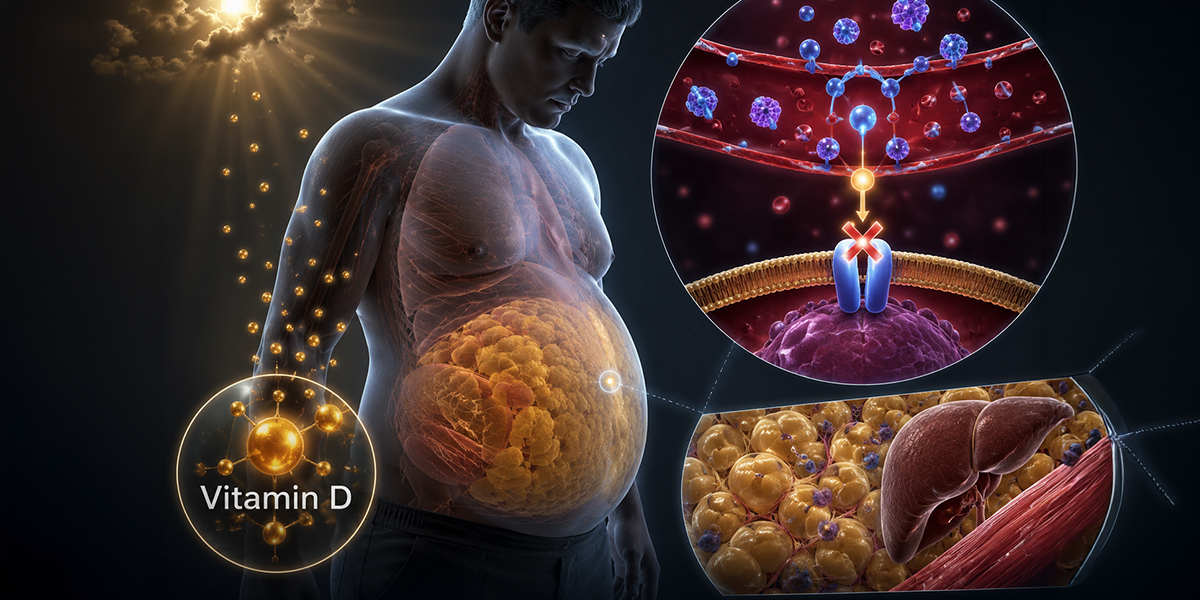


Vitamin D is widely known for its role in bone health, calcium balance, and immune function, but its importance extends beyond bones.
Vitamin D also plays a supportive role in metabolic health, including blood sugar regulation, insulin sensitivity, and fat metabolism. Low vitamin D levels are commonly associated with insulin resistance and increased fat accumulation, especially in individuals with obesity, low sun exposure, poor diet quality, or limited physical activity.
Table of Contents
Why Vitamin D Matters for Metabolism
Vitamin D acts more like a hormone than a simple vitamin in many biological processes.
It helps support normal cell function, immune regulation, calcium balance, and metabolic activity. Because vitamin D receptors are found in several tissues, including those involved in glucose and fat metabolism, low levels may influence how efficiently the body manages energy.
When vitamin D levels are insufficient, the body may become less efficient at regulating blood sugar and storing or using fat properly, especially when combined with inactivity, excess calorie intake, or poor sleep.
Vitamin D Deficiency and Insulin Resistance
Insulin is the hormone responsible for helping glucose move from the bloodstream into cells, where it can be used for energy.
When the body becomes less responsive to insulin, blood sugar levels may rise more easily, and the pancreas may need to produce more insulin to maintain balance. This condition is known as insulin resistance.
Low vitamin D status may contribute to reduced insulin efficiency and weaker blood sugar control. Over time, this may increase the risk of metabolic problems, especially in people who already have risk factors such as obesity, abdominal fat, sedentary lifestyle, or family history of type 2 diabetes.
- Low vitamin D may affect insulin sensitivity.
- Poor insulin response can make blood sugar control harder.
- Insulin resistance may increase fat storage over time.
- Obesity and low vitamin D often occur together.
- Testing vitamin D levels may help guide supplementation.
Effect of Vitamin D Deficiency on Fat Accumulation
Low vitamin D levels may be linked with reduced fat metabolism efficiency and greater difficulty managing body composition.
Some individuals with vitamin D deficiency may find it harder to lose weight, even when following a diet and exercise plan, because metabolic flexibility, insulin response, and energy regulation may be affected.
Fat accumulation is usually the result of multiple factors, including calorie intake, hormones, activity level, sleep, stress, and genetics. Vitamin D is not the only factor, but correcting a deficiency may support a healthier metabolic environment.
| Metabolic Factor | Possible Effect of Low Vitamin D | Health Impact |
|---|---|---|
| Insulin Sensitivity | May become less efficient | Harder blood sugar control |
| Fat Metabolism | May become less optimized | Greater tendency toward fat storage |
| Energy Balance | May be affected by poor metabolic function | More difficulty with weight management |
| Inflammatory Balance | May be less regulated | May negatively affect metabolic health |
Importance of Supplements and Diet
Vitamin D deficiency can often be improved through a combination of safe sun exposure, vitamin D-rich foods, and supplements when needed.
Food sources of vitamin D include fatty fish, egg yolks, fortified dairy products, and fortified plant-based alternatives. However, food alone may not always be enough, especially for people with low sun exposure or confirmed deficiency.
Vitamin D supplements may help restore healthy levels more efficiently, but the dose should be based on individual need, blood test results, and professional guidance when deficiency is significant.
Strategies for Prevention and Support
Maintaining healthy vitamin D levels is only one part of improving insulin sensitivity and supporting fat metabolism.
A complete strategy should include regular physical activity, resistance training, balanced meals, adequate protein, fiber-rich foods, proper sleep, and periodic monitoring of vitamin D levels when risk factors are present.
Combining these habits can support better glucose control, healthier body composition, and improved long-term metabolic health.
- Check vitamin D levels if deficiency is suspected.
- Use safe sun exposure when appropriate.
- Eat vitamin D-rich foods such as fatty fish, eggs, and fortified foods.
- Use supplements when diet and sunlight are not enough.
- Exercise regularly to improve insulin sensitivity.
- Prioritize sleep and weight management for metabolic health.
Who May Be at Higher Risk?
Some individuals are more likely to develop low vitamin D levels due to lifestyle, environment, diet, or health conditions.
People who spend most of their time indoors, cover most of their skin, have limited sun exposure, have obesity, or follow diets low in vitamin D may be more likely to need monitoring.
Individuals with insulin resistance, prediabetes, type 2 diabetes risk, or difficulty losing weight may also benefit from checking vitamin D status as part of a broader metabolic health plan.
| Risk Factor | Why It Matters | Helpful Step |
|---|---|---|
| Low Sun Exposure | Less natural vitamin D production | Consider testing and safe sunlight habits |
| Obesity | Vitamin D status is often lower in individuals with excess body fat | Monitor levels and support weight management |
| Limited Dietary Intake | Few foods naturally contain vitamin D | Add fatty fish, eggs, or fortified foods |
| Insulin Resistance Risk | Vitamin D may support metabolic balance | Combine testing with lifestyle improvements |
Frequently Asked Questions
Can vitamin D deficiency affect insulin resistance?
Low vitamin D levels may be associated with reduced insulin sensitivity and weaker blood sugar control, especially in people with other metabolic risk factors.
Does vitamin D deficiency cause fat accumulation directly?
Vitamin D deficiency may contribute to poor metabolic balance, but fat accumulation is usually influenced by many factors, including diet, activity, hormones, sleep, and genetics.
Can vitamin D supplements help with weight loss?
Vitamin D supplements may help correct deficiency and support metabolic health, but they do not cause weight loss alone. They work best with diet, exercise, and lifestyle changes.
What foods contain vitamin D?
Fatty fish, egg yolks, fortified dairy products, and fortified plant-based drinks are among the common dietary sources of vitamin D.
Should vitamin D levels be tested?
Testing is useful for people at risk of deficiency, those with limited sun exposure, obesity, insulin resistance, or those using vitamin D supplements long term.
Conclusion
Vitamin D deficiency is strongly associated with insulin resistance, poor metabolic balance, and difficulty managing fat accumulation in some individuals.
Maintaining adequate vitamin D levels through sunlight, diet, supplements when needed, and regular monitoring can support insulin sensitivity and healthier metabolism. For best results, vitamin D support should be combined with exercise, balanced nutrition, healthy sleep, and long-term weight management habits.