


During prolonged fasting or extended periods without food, the body may face a higher risk of muscle protein breakdown due to reduced amino acid availability.
Casein protein can play a useful role in this situation because it digests slowly and provides a gradual release of amino acids into the bloodstream over several hours. This makes it especially valuable before sleep, long fasting periods, calorie-restricted phases, or intermittent fasting routines.
Table of Contents
What Happens to Muscles During Fasting?
When the body goes for a long time without food, amino acid availability gradually decreases. Amino acids are the building blocks of protein and are needed for muscle repair, recovery, and maintenance.
If fasting is prolonged and total daily protein intake is not sufficient, the body may begin breaking down muscle protein to provide amino acids for essential functions.
This does not mean that every fasting period causes major muscle loss, but poor protein timing, low calorie intake, intense training, and inadequate recovery may increase the risk over time.
Muscle Breakdown During Fasting
Muscle breakdown is the process where muscle proteins are degraded into amino acids. These amino acids can then be used for energy production, glucose support, immune function, and other essential body processes.
During long periods without food, this process may become more noticeable because the body receives fewer amino acids from meals.
For athletes, bodybuilders, or people in a calorie deficit, limiting unnecessary muscle breakdown is important for maintaining strength, metabolism, recovery, and body composition.
- Fasting reduces incoming amino acids from food.
- Low protein intake may increase muscle breakdown risk.
- Calorie restriction can make muscle preservation more challenging.
- Training without enough recovery may increase protein needs.
- Slow-digesting protein can help support amino acid availability.
How Casein Works in the Digestive System
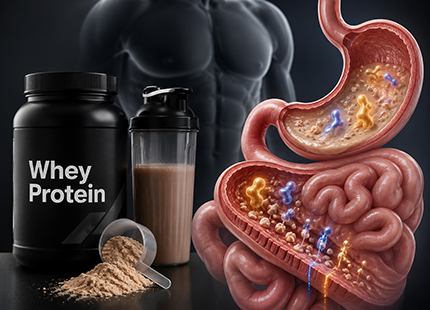
Casein is a slow-digesting dairy protein that behaves differently from fast-digesting proteins such as whey.
When consumed, casein forms a gel-like structure in the stomach. This slows gastric emptying and allows amino acids to be released gradually into the bloodstream over several hours.
This slow release makes casein especially useful when the next meal will be delayed, such as before sleep, during intermittent fasting, or before a long period without food.
| Protein Type | Digestion Speed | Best Use |
|---|---|---|
| Casein Protein | Slow digestion | Before sleep or long fasting periods |
| Whey Protein | Fast digestion | Post-workout or quick protein support |
| Whole Food Protein | Moderate to slow depending on food | Main meals and daily protein intake |
| Amino Acid Supplements | Very fast absorption | Targeted use around training when needed |
Casein’s Effect on Muscle Protein Balance
Muscle protein balance depends on the relationship between muscle protein synthesis and muscle protein breakdown.
Whey protein is known for rapidly stimulating muscle protein synthesis, while casein is often valued for reducing muscle protein breakdown due to its slow and steady amino acid release.
This makes casein a strong option for muscle preservation, especially during fasting windows, overnight recovery, calorie restriction, or periods when frequent meals are not practical.
| Effect | How Casein Helps | Why It Matters |
|---|---|---|
| Sustained Amino Acid Release | Provides amino acids over several hours | Supports muscle maintenance during fasting |
| Reduced Protein Breakdown | Helps limit muscle protein degradation | May preserve lean mass during calorie restriction |
| Better Overnight Support | Keeps amino acids available during sleep | Supports recovery and muscle repair |
| Improved Protein Timing | Useful when meals are spaced far apart | Helps maintain protein balance throughout the day |
Optimal Timing for Casein Consumption
One of the most effective times to consume casein is before sleep, because the body spends several hours without food overnight.
Casein may also be useful before prolonged fasting windows, during intermittent fasting plans, or before long periods when eating a full meal is not possible.
For athletes, casein can be used strategically as part of total daily protein intake rather than as a standalone solution.
- Before sleep to support overnight amino acid availability.
- Before a long fasting window.
- During calorie-restricted phases to help preserve muscle mass.
- When meals are spaced far apart.
- As a slow-digesting protein option during cutting or recomposition phases.
Practical Benefits for Athletes
Athletes may benefit from casein during fasting, cutting, or calorie-restricted phases because maintaining lean muscle mass becomes a priority.
Casein helps provide a steady amino acid supply without requiring frequent protein intake, which can be useful for people following intermittent fasting or structured meal timing.
It may also help with satiety because of its slow digestion, making it easier for some individuals to control hunger during a fat-loss phase.
| Goal | How Casein Supports It | Best Strategy |
|---|---|---|
| Muscle Preservation | Provides slow amino acid release | Use before fasting or sleep |
| Cutting Phase Support | Helps maintain protein availability | Combine with enough daily protein |
| Recovery | Supports amino acid supply overnight | Take before sleep when needed |
| Satiety | Slow digestion may help fullness | Use as part of a controlled diet plan |
Frequently Asked Questions
Why is casein good during fasting?
Casein digests slowly and releases amino acids gradually, which may help reduce muscle protein breakdown during long periods without food.
Is casein better than whey before fasting?
Casein is usually better before fasting or sleep because it digests slowly. Whey is faster and may be more suitable after workouts or when quick protein delivery is needed.
When should I take casein?
Common timing includes before sleep, before a prolonged fasting period, or when you know your next meal will be delayed for several hours.
Does casein build muscle?
Casein supports muscle maintenance and recovery, but muscle growth depends mainly on total protein intake, resistance training, calories, and recovery.
Can casein help during cutting?
Yes. Casein may help preserve muscle mass and support satiety during cutting, especially when calories are lower and meal timing is more controlled.
Conclusion
Casein protein plays an important role in helping reduce muscle breakdown during prolonged fasting by providing slow digestion and sustained amino acid release.
Strategic use of casein before sleep, before fasting windows, or during calorie-restricted phases may help preserve muscle mass, support recovery, and improve protein timing. For best results, casein should be combined with adequate total protein intake, resistance training, balanced nutrition, and proper recovery.